How to Become a SANE Nurse
To master how to become a SANE nurse, you must hold an active registered nurse license, complete a comprehensive didactic training course approved by the International Association of Forensic Nurses (IAFN), fulfill supervised clinical hours, and pass a national certification exam through the Forensic Nursing Certification Board (FNCB). This specialized career path equips you to provide trauma-informed medical forensic care, collect legal evidence, and offer vital support to patients who have experienced sexual assault or abuse.
Understanding the precise educational and clinical requirements helps you plan your transition into forensic nursing without confusion. Because patient care requires high precision and sensitivity, the governing standards ensure every clinician is fully prepared for both the clinical and legal demands of the role.
What is a Sexual Assault Nurse Examiner?
A Sexual Assault Nurse Examiner is a specialized registered nurse who has completed advanced education and clinical training to care for patients who have experienced sexual violence. Unlike a standard emergency room evaluation, a forensic examination involves conducting a head-to-toe physical assessment, treating acute injuries, collecting and preserving forensic evidence such as DNA, and providing prophylactic medications for sexually transmitted infections and pregnancy prevention.
Beyond clinical tasks, SANE nurses act as objective medical witnesses within the legal system. They meticulously document injuries, maintain strict chain-of-custody protocols for evidence kits, and occasionally testify in court regarding their findings. This dual focus on compassionate patient healing and legal accuracy makes the role distinct within acute care settings. Professionals entering this field often transition from acute care environments, building upon foundational competencies developed through pathways such as how to become a critical care nurse or emergency nursing practice.
Prerequisites for SANE Nurse Certification
Before you begin specialized training, you must meet baseline professional requirements set by certifying organizations and healthcare employers. Primarily, you must hold a current, unencumbered Registered Nurse (RN) license in the United States or its territories. While some advanced practice registered nurses also practice in this specialty, a standard RN license serves as the universal foundation for all SANE pathways.
Many hospitals and health systems prefer candidates with at least one to two years of acute care experience—such as emergency nursing, women’s health, or critical care—before transitioning into forensic roles. To understand the broader clinical background required for acute care specialties, review the steps outlined in how to become a medical-surgical nurse, as strong foundational assessment skills directly support forensic evaluation work.
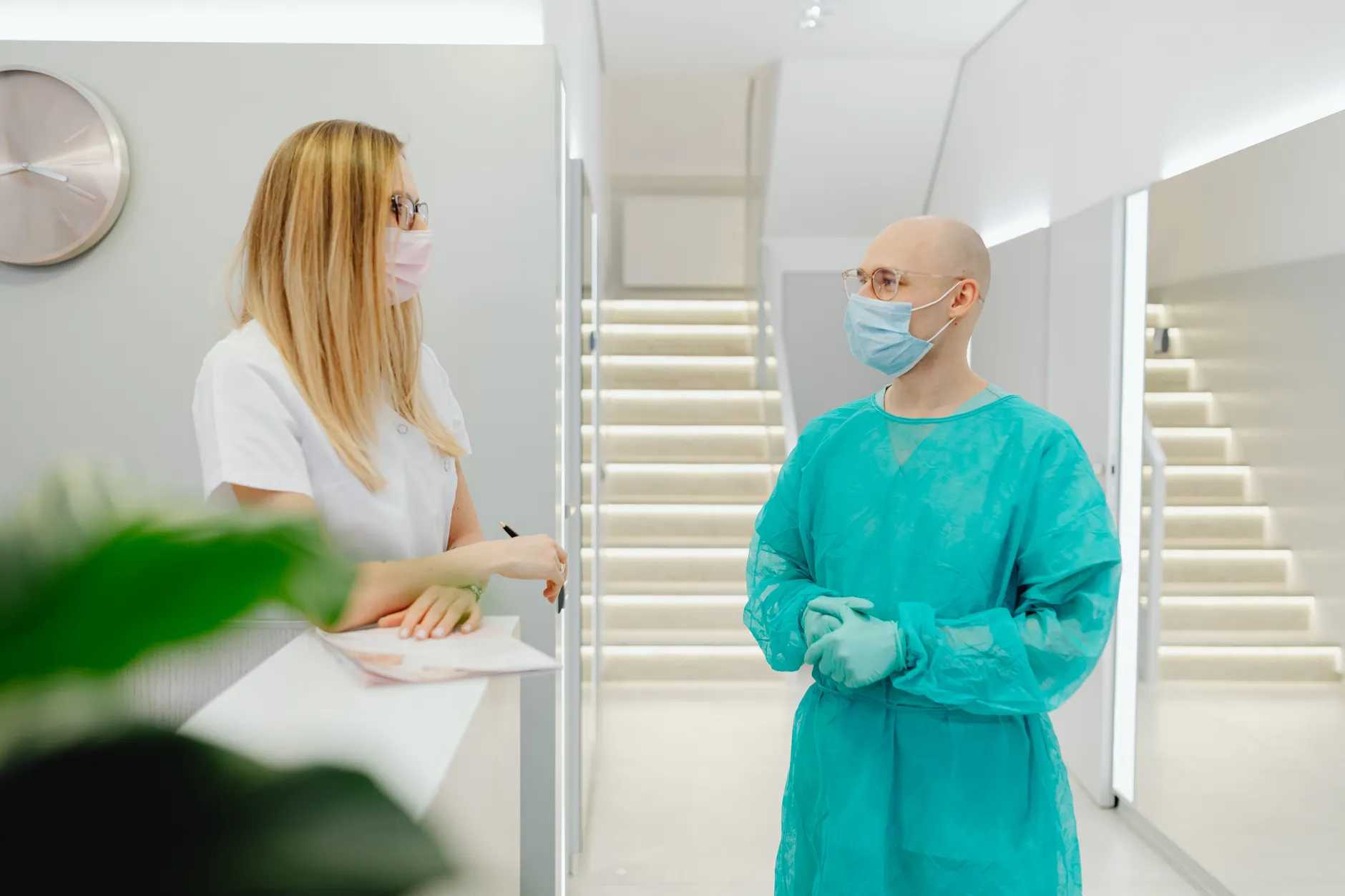
Completing Your Sexual Assault Nurse Examiner Training
The training process for prospective examiners consists of two distinct components: didactic education and a hands-on clinical practicum. You must complete both phases to qualify for professional certification exams and master sexual assault nurse examiner training.
First, you must complete an IAFN-approved 40-hour didactic course. These foundational programs cover forensic science, trauma-informed interviewing techniques, legal and ethical considerations, anatomy and physiology of trauma, and evidence collection protocols. Instruction is often available through online modules, hybrid formats, or intensive multi-day seminars.
Second, you must complete a supervised clinical practicum. This phase requires hands-on training under the direct supervision of an experienced preceptor, where you practice live examinations, pelvic and anogenital assessments using specialized colposcopic equipment, and proper evidence collection. Finding a preceptor often involves connecting with local sexual assault response teams, established hospital forensic nursing programs, or regional health departments.
Checklist for the Certification Process
Following a structured checklist ensures you satisfy every requirement for national credentialing without missing crucial administrative or clinical milestones:
- Verify that your state RN license is active and unencumbered.
- Gain 1 to 2 years of solid clinical experience in emergency, critical care, or women’s health.
- Enroll in and complete an IAFN-approved 40-hour didactic training program.
- Secure a qualified clinical preceptor and complete your required supervised patient care hours.
- Submit your application and documentation to the Forensic Nursing Certification Board (FNCB).
- Schedule and pass either the SANE-A or SANE-P national board exam.
Certification Exams (SANE-A vs. SANE-P)
Once you finish your didactic and clinical training, you can pursue national board certification. The Forensic Nursing Certification Board offers two primary credentials depending on your patient population focus: SANE-A for adult and adolescent patients, and SANE-P for pediatric patients.
Reviewing the structural differences between these two certification tracks helps determine which exam aligns with your clinical practice environment:
| Feature | SANE-A (Adult/Adolescent) | SANE-P (Pediatric) |
|---|---|---|
| Target Patient Population | Adolescents and adults (typically age 13 and older, depending on facility policy). | Infants, children, and adolescents (typically newborn through age 18). |
| Required Didactic Hours | Minimum 40 hours of IAFN-approved instruction covering adult/adolescent forensic care. | Minimum 40 hours of IAFN-approved instruction focused on pediatric development and trauma. |
| Clinical Experience Prerequisite | Verified practice hours performing adult/adolescent forensic exams within a specified timeframe. | Verified practice hours performing pediatric forensic examinations within a specified timeframe. |
| Certifying Body | Forensic Nursing Certification Board (FNCB). | Forensic Nursing Certification Board (FNCB). |
Each exam tests your knowledge of forensic science, legal testimony, medical evaluation, and crisis intervention. Passing either credential demonstrates verified competency to healthcare employers and legal systems alike.
Salary and Career Expectations
Forensic nursing offers diverse employment models, ranging from hospital-based sexual assault response teams and community crisis centers to independent consulting and legal nurse expert roles. Because many emergency departments maintain on-call SANE nurses, compensation structures often include base hourly rates supplemented by on-call stipends and differential pay for overnight or weekend shifts.
Your earning potential typically depends on your geographic location, facility type, and whether you work full-time within a dedicated forensic unit or maintain an on-call schedule alongside general nursing duties. As hospitals increasingly recognize the necessity of specialized trauma-informed care, demand for credentialed examiners remains steady across both urban and rural healthcare facilities.
Next Steps and Maintaining Your Credential
After achieving your SANE nurse certification, maintaining active status requires ongoing professional development. Certifications issued by the FNCB typically require renewal every three years through either continuing education contact hours or re-examination. You should track your completed contact hours carefully and ensure your continuing education courses align with forensic science, trauma care, or emergency nursing topics accepted by the certifying board.
If you also hold other clinical certifications or advanced degrees, keeping your documentation organized ensures smooth recertification cycles across all of your specialties. Staying active within professional nursing organizations also provides access to peer-reviewed journals, updated evidence-based guidelines, and networking opportunities with fellow forensic healthcare professionals.
Frequently Asked Questions
Do I need to be a nurse practitioner to become a SANE nurse?
No, you do not need to be a nurse practitioner. Registered nurses with an active, unencumbered RN license can complete SANE training and sit for the certification exams.
How long is the training?
The didactic portion requires a minimum 40-hour course approved by the International Association of Forensic Nurses. The total timeline varies depending on how quickly you complete your supervised clinical hours and preceptor requirements.
Is SANE certification mandatory to practice?
Certification requirements vary by state law and hospital employer policy. While some facilities hire nurses who have completed didactic training while they accumulate clinical hours, national board certification is the gold standard for verifying clinical competency.
How do I find a clinical preceptor?
You can find a clinical preceptor by connecting with local sexual assault response teams, established hospital forensic nursing programs, or regional health departments that employ certified examiners.
How often do I need to recertify?
FNCB certifications generally require renewal every three years. You must fulfill specific continuing education contact hours in forensic nursing or pass the recertification examination to maintain active status.
About This Article
Written by the Nurse CE Hub Editorial Team. We base state requirements and certification details on official board of nursing and certifying-organization sources, linked within the article.
Rules and fees can change. Confirm current requirements with your state board of nursing or certifying organization before you renew or apply. This article is general information, not legal or professional advice. How we research our content