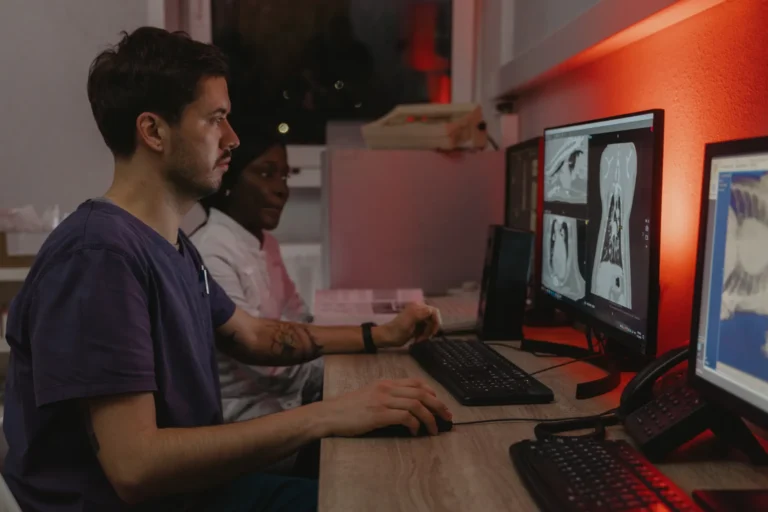
Essential Skills Every Nurse Should Have

Mastering essential nursing skills requires a deliberate balance between rigorous clinical expertise and interpersonal acumen. Whether you provide bedside care as a registered nurse, manage practical nursing workflows as a licensed practical or vocational nurse, or direct patient outcomes as an advanced practice registered nurse, your daily practice depends on combining technical precision with active communication. Safe patient care relies not only on executing procedures correctly but also on recognizing subtle physical changes and advocating effectively for your patients.
Core Clinical Skills Every Nurse Must Master
Foundational clinical tasks form the backbone of safe patient care. While different license types operate under distinct jurisdictional scopes of practice, every nurse must demonstrate competence in core physiological management. Patient assessment requires a systematic approach, such as head-to-toe evaluations or focused bodily system reviews, to catch early signs of instability before they escalate into acute emergencies.
Medication administration involves strictly following verification standards—often referred to as the rights of medication safety—to prevent adverse drug events. Wound care demands sterile technique, accurate measurement of tissue healing stages, and proper selection of dressings to minimize infection risks. To maintain your technical proficiency alongside these bedside duties, exploring structured free nursing CEUs can help bridge knowledge gaps in pharmacology and clinical workflows.
Understanding the exact skills needed for nursing helps clinicians transition smoothly from classroom theory to rigorous bedside execution. Concrete behavioral examples of these foundational tasks include performing a complete neurological and cardiovascular assessment every shift, calculating precise pediatric drip rates using verified weight-based formulas, maintaining central venous catheter sterile lines according to institutional infection control bundles, and collecting anaerobic blood cultures prior to antibiotic initiation. Each of these competencies requires adherence to strict institutional protocols and evidence-based clinical guidelines to protect vulnerable patient populations.
Indispensable Soft Skills for Modern Nursing Practice
Technical proficiency alone is insufficient for modern healthcare environments. Essential skills for nursing extend deeply into interpersonal dynamics, where patient communication, emotional resilience, and time management dictate the flow of a shift. Clear, compassionate communication builds patient trust, enhances adherence to discharge instructions, and reduces anxiety during high-stress diagnostic procedures.
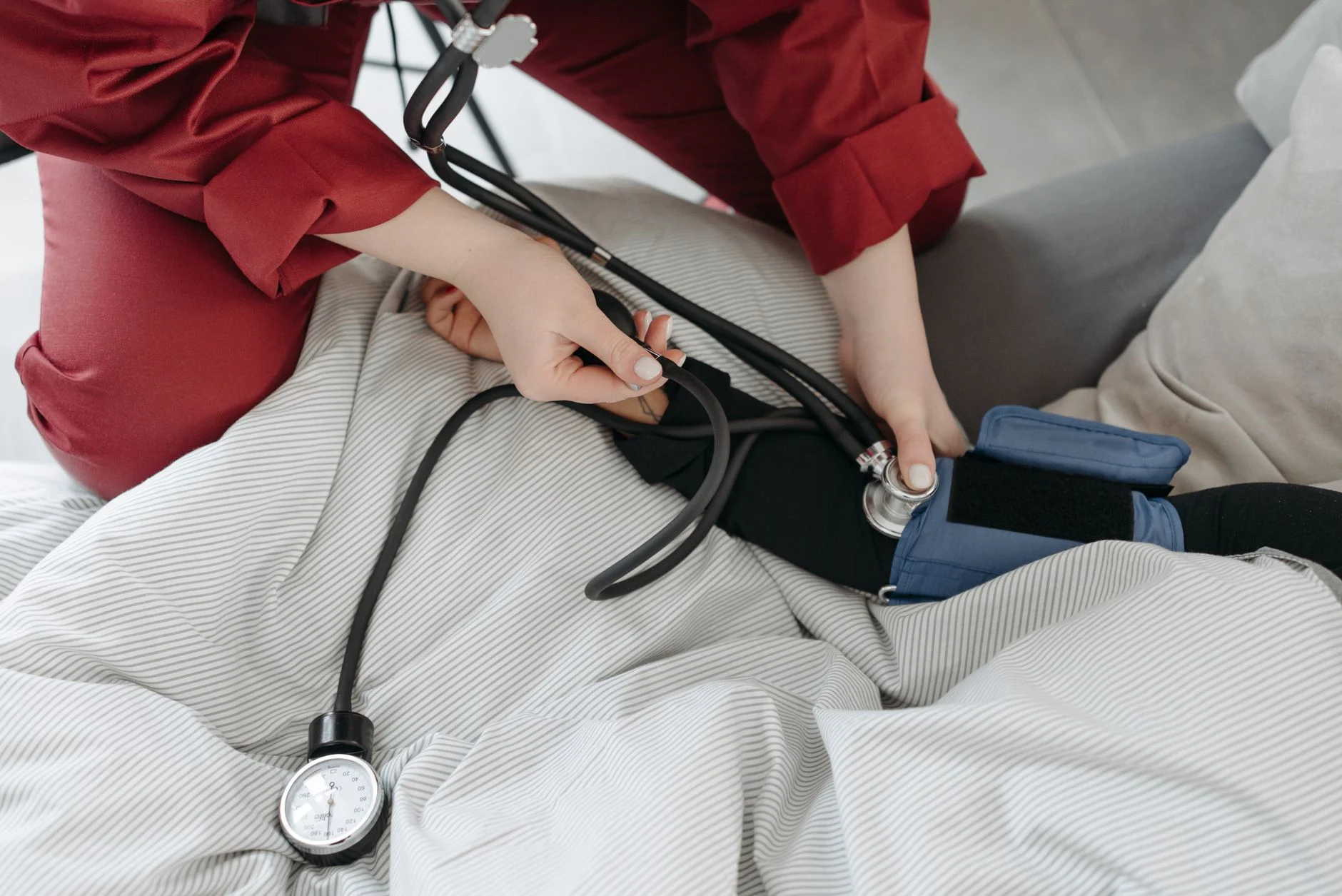
Emotional resilience allows you to process high-intensity events without compromising professional objectivity or clinical judgment. Time management and prioritization ensure that urgent needs are addressed immediately while routine tasks are delegated appropriately or scheduled efficiently. Understanding how these human elements interact with professional ethics is vital for daily practice, as outlined in guides on fidelity in nursing.
Developing robust clinical and soft skills for nurses reduces medical errors and improves interprofessional collaboration. Concrete behavioral examples in this category include repeating back physician verbal orders verbatim before execution, using active listening techniques to uncover unexpressed patient pain fears during shift handovers, and utilizing structured handoff tools like SBAR (Situation, Background, Assessment, Recommendation) to communicate patient status changes cleanly across interprofessional care teams.
Integrating Clinical and Soft Skills in High-Pressure Environments
During acute patient deterioration, technical capabilities and soft skills must operate simultaneously. When a patient shows signs of sepsis or respiratory failure, you must rapidly execute clinical interventions while maintaining calm, direct communication with interprofessional team members. According to the National Council of State Boards of Nursing (NCSBN) Clinical Judgment Measurement Model (source: https://www.ncsbn.org), structured cognitive processes—recognizing cues, analyzing data, and prioritizing hypotheses—are essential for guiding safe bedside actions.
Effective integration means that while your hands are securing intravenous access or administering emergency medications, your communication remains concise and closed-loop. You confirm orders explicitly with attending physicians and relay critical updates to charge nurses or rapid response teams without hesitation. Upholding ethical standards during these high-stakes moments is equally critical, and examining concepts like nonmaleficence in nursing helps reinforce your commitment to patient safety and harm prevention.

| Competency Domain | Primary Focus | Behavioral Indicator | Patient Impact |
|---|---|---|---|
| Clinical Skills | Physiological assessment and technical execution | Executing sterile dressing changes and accurate medication calculation | Prevents physical complications and medication errors |
| Soft Skills | Interpersonal dynamics and cognitive resilience | Active listening and closed-loop communication during handoffs | Reduces anxiety and prevents clinical miscommunication |
How to Build and Maintain Your Nursing Skill Set
Developing and sustaining essential nursing skills is a lifelong professional obligation rather than a one-time educational milestone. You can systematically track your competency growth by maintaining an ongoing clinical portfolio, seeking regular peer feedback, and participating in unit-based simulation training. Reviewing your state’s specific nursing practice acts ensures your clinical interventions remain fully compliant with current regulatory standards.
Translating bedside experience into long-term career advancement requires intentional professional development planning. Aligning your day-to-day skill refinement with structured nursing career resources helps you identify specialization pathways, prepare for board certifications, and expand your clinical scope over time.
Self-Assessing Your Nursing Competencies Checklist
To systematically evaluate your clinical readiness and identify areas requiring targeted professional development, utilize the following practical self-assessment checklist:
- Physiological Assessment Verification: Can you independently perform a comprehensive systems review and identify early indicators of sepsis or hemodynamic instability?
- Technical Procedure Execution: Are you proficient in executing sterile dressing changes, intravenous line maintenance, and independent dosage calculations without error?
- Interprofessional Communication: Do you consistently apply structured handoff tools like SBAR during patient transfers and emergency escalations?
- Reflective Practice Integration: Do you actively review adverse events or challenging clinical shifts with peers and educators to refine future response strategies?
- Regulatory Compliance: Are you familiar with your state’s nurse practice act boundaries and current continuing competency requirements for license renewal?
Tracking Personal Clinical Competency Growth
Monitoring your professional development requires systematic tools that go beyond annual performance evaluations. To evaluate your ongoing progression with essential nursing skills, you can implement a personal portfolio that captures clinical milestones, complex case studies, and peer feedback. Documenting specific scenarios where you successfully managed patient instability or navigated interprofessional conflicts provides concrete evidence of your evolving practice.

Reviewing clinical logs regularly helps identify procedural gaps and highlights areas where advanced education is necessary. Engaging in structured peer reviews and unit-based case debriefs encourages constructive critique. For clinicians seeking broader professional expansion, exploring structured pathways like RN to BSN programs can deepen your theoretical foundation and support long-term mastery of complex clinical workflows.
Navigating Acute Patient Deterioration
When a patient experiences sudden physiological collapse, technical execution and interpersonal acumen must synchronize seamlessly. Recognizing the earliest signs of sepsis, hemorrhage, or acute respiratory distress requires acute observational acuity. While your hands rapidly secure intravenous access or administer emergency life-saving medications, your verbal output must remain concise and controlled.
During these high-stress events, effective execution of skills needed for nursing involves closed-loop communication. You repeat verbal orders verbatim, confirm medication doses explicitly with attending physicians, and delegate secondary responsibilities calmly to available team members. Utilizing structured cognitive frameworks ensures that rapid decision-making remains methodical rather than reactive, protecting patient safety during critical interventions.
Behavioral Indicators of Acute Competency Integration
- Rapid Cue Recognition: Identifying subtle shifts in hemodynamic parameters or neurological status before overt physiological failure occurs.
- Closed-Loop Communication: Confirming critical physician orders aloud and ensuring team members acknowledge receipt of vital instructions.
- Prioritization Under Pressure: Executing time-sensitive life support interventions while simultaneously coordinating emergency response personnel.
- Post-Event Debriefing: Participating actively in reflective team reviews following resuscitations to evaluate clinical performance and improve future response times.
Next Steps for Your Nursing Competency Journey
Assessing your current strengths and identifying areas for growth is the most effective way to elevate your bedside practice. Review your unit’s clinical competencies, schedule targeted learning modules for unfamiliar technical procedures, and engage in reflective practice after challenging shifts. Committing to continuous self-evaluation safeguards your patients and strengthens your professional confidence, with multi-state licensees able to track multi-jurisdictional rules through resources like nursing compact states documentation.
Frequently Asked Questions
What is the most important skill for a new nurse to master?
The most important skill for a new nurse is systematic clinical assessment combined with effective prioritization. Being able to recognize subtle changes in patient condition and knowing when to escalate concerns prevents minor issues from becoming emergencies.
How do soft skills improve patient safety outcomes?
Soft skills such as clear communication, active listening, and emotional resilience directly reduce clinical errors. Effective communication ensures accurate handoffs and multidisciplinary teamwork, preventing critical details from being missed during patient care.
How can nurses maintain clinical proficiency in specialized units?
Nurses maintain clinical proficiency by participating in regular simulation training, reviewing current evidence-based literature, engaging in peer case reviews, and completing targeted continuing education relevant to their specialty.
What are the best methods for tracking personal clinical competency growth?
The best methods include maintaining an active clinical portfolio of complex patient cases managed, participating in regular peer and preceptor evaluations, tracking completed simulation lab hours, and documenting ongoing continuing education credits aligned with specialty standards.
How does continuous learning impact long-term nursing career mobility?
Continuous learning and active skill acquisition directly expand a nurse's eligibility for advanced certifications, leadership positions, specialized unit transfers, and career advancement into advanced practice roles.
About This Article
Written by the Nurse CE Hub Editorial Team. We base state requirements and certification details on official board of nursing and certifying-organization sources, linked within the article.
Rules and fees can change. Confirm current requirements with your state board of nursing or certifying organization before you renew or apply. This article is general information, not legal or professional advice. How we research our content