How to Become a Medical-Surgical Nurse
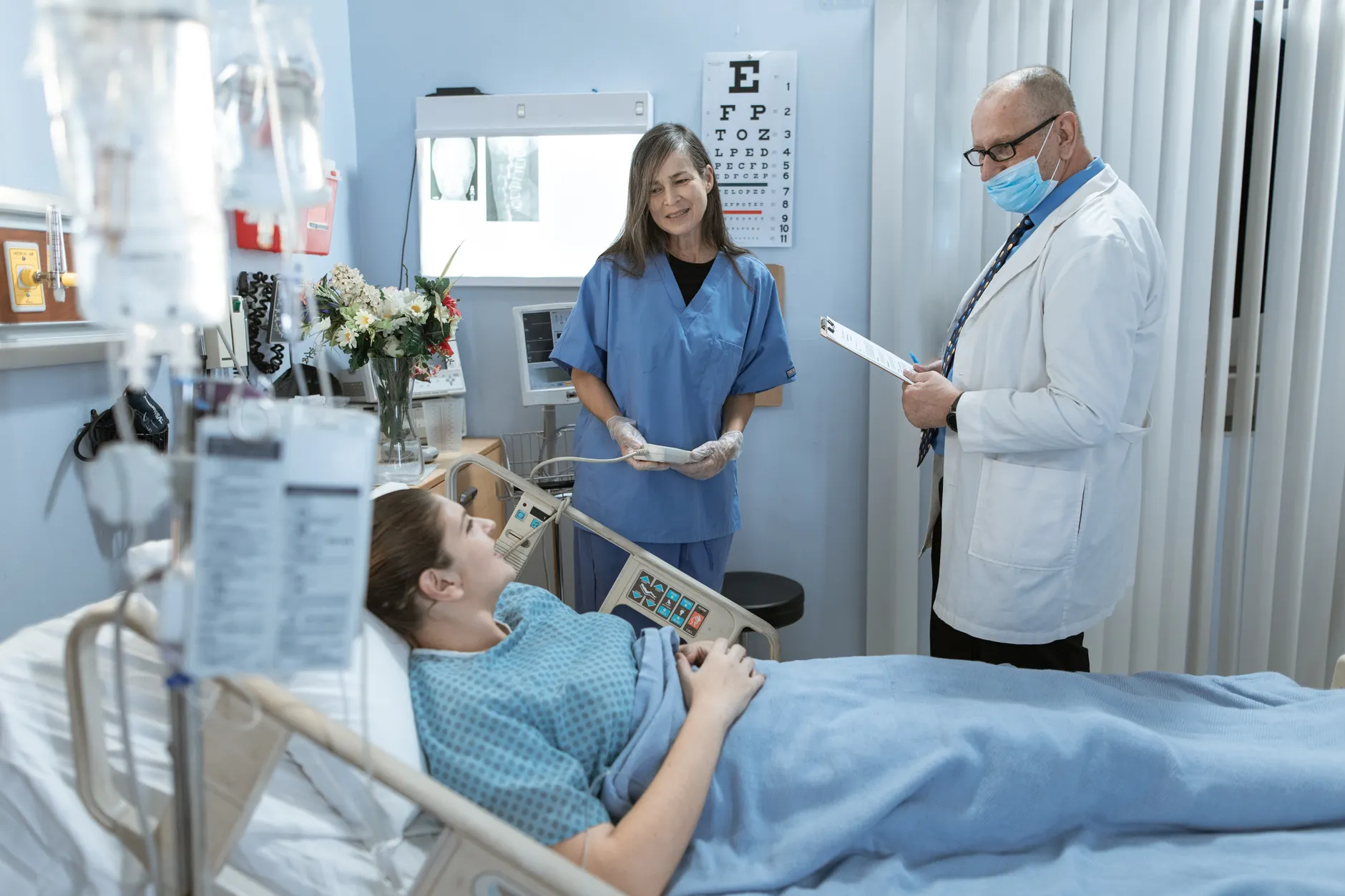
To become a medical-surgical nurse, you must first earn an Associate Degree in Nursing (ADN) or a Bachelor of Science in Nursing (BSN), pass the NCLEX-RN examination to obtain your registered nurse license, and secure an entry-level position on an acute care hospital floor. This specialty forms the bedrock of inpatient healthcare, managing adult patients who are recovering from surgery or stabilizing after multi-system acute illnesses.
Understanding how to become a medical-surgical nurse involves navigating licensing prerequisites, mastering complex bedside responsibilities, and mapping out a sustainable career path that balances high patient acuities with ongoing professional development.
What Is a Medical-Surgical Nurse?
A medical-surgical nurse provides direct, comprehensive bedside care to adult patients dealing with acute medical conditions or recovering from complex surgical operations. Because inpatient units handle a diverse mix of pathologies, these clinicians require broad physiological understanding across multiple body systems rather than narrowing in on a single specialty.
Unlike critical care areas where nurse-to-patient ratios are typically one or two to one, med-surg floors frequently manage heavier patient assignments. This environment demands exceptional organizational skills, rapid clinical reassessment, and the ability to detect subtle indicators of physiological decline before an emergency arises.
Core Medical-Surgical Nurse Duties
Daily clinical responsibilities span physiological monitoring, medication administration, surgical wound care, and extensive patient education. Mastering medical-surgical nurse duties requires balancing urgent bedside interventions with meticulous documentation and interdisciplinary care coordination.
Core responsibilities typically include:
- Performing comprehensive head-to-toe physical assessments for multiple patients during every shift.
- Administering oral, intravenous, subcutaneous, and topical medications under strict safety standards.
- Inspecting surgical incisions, wound drains, and surgical sites for signs of hemorrhage, infection, or delayed healing.
- Managing peripheral and central intravenous lines, continuous telemetry monitors, and gastrointestinal tubes.
- Educating patients and their families regarding post-discharge care routines, medication schedules, and red-flag symptoms requiring emergency intervention.
Beyond direct clinical care, you act as the central communication conduit among physicians, pharmacists, physical therapists, and case managers. Effective coordination ensures that multidisciplinary treatment plans advance efficiently and safely.
Shift Realities and Patient Ratios on Med-Surg Floors
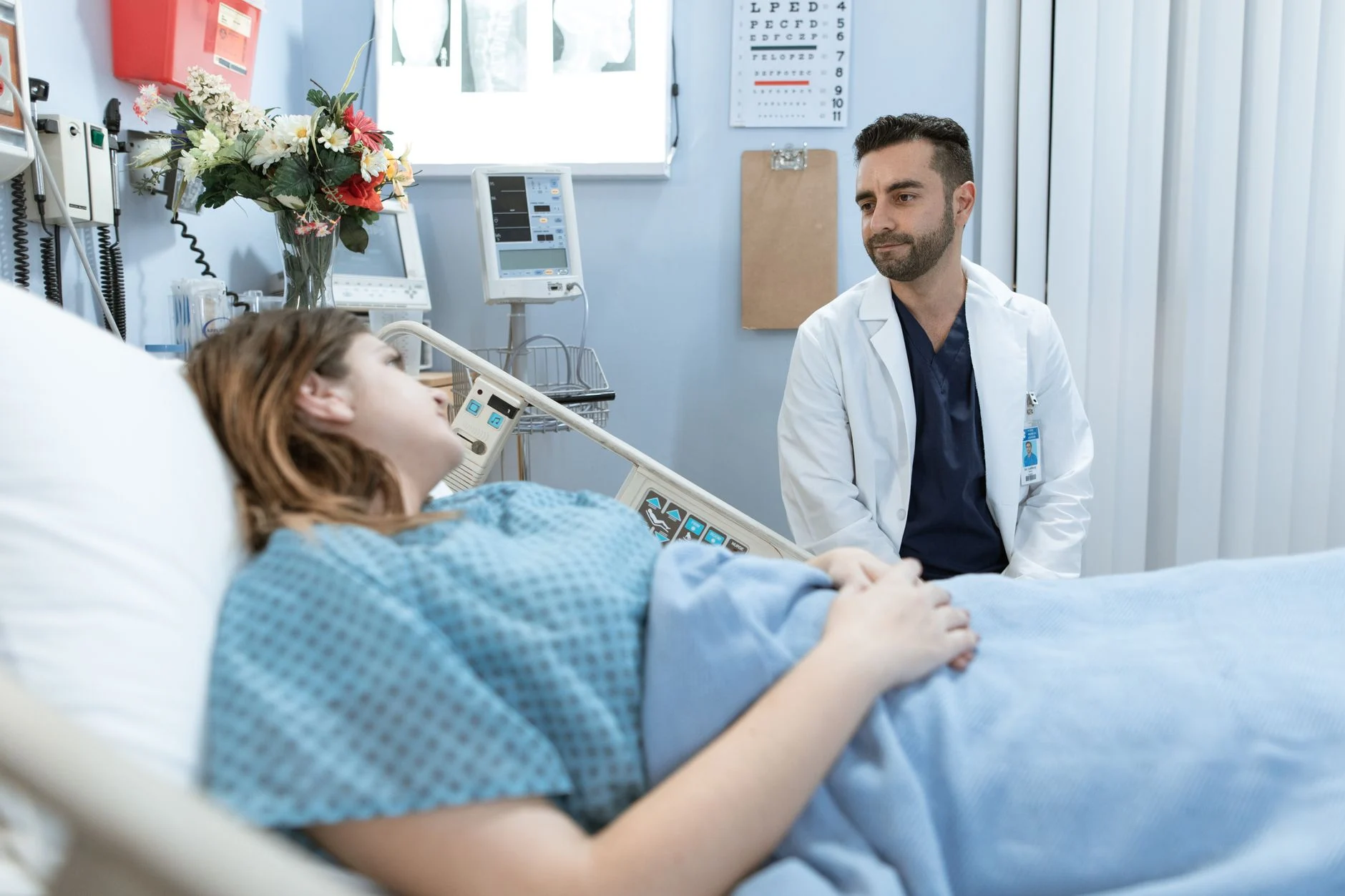
Working on a medical-surgical unit involves navigating high patient-to-nurse ratios, which generally range from four to six patients per registered nurse depending on the facility, shift, and patient acuity levels. Managing this workload requires structured time management, robust prioritization, and seamless interdisciplinary collaboration.
Effective management of acute patient loads relies on structured shift handoffs, proactive communication with ancillary staff, and early identification of clinical instability. When multiple patients require simultaneous interventions, collaborating closely with unlicensed assistive personnel and coordinating with pharmacy and therapy departments ensures that urgent tasks are addressed without compromising overall unit safety.
Telemetry units represent a specific subset of medical-surgical care where patients require continuous cardiac rhythm monitoring. While standard med-surg floors handle stable post-operative and medical recovery, telemetry units require nurses to maintain specialized competencies in interpreting basic dysrhythmias and responding immediately to telemetry alarms.
The Medical-Surgical Nursing Career Path
Navigating the medical-surgical nursing career path involves progressing from foundational bedside practice to specialized leadership roles or advanced clinical degrees. Each stage builds cumulative competence in patient advocacy and clinical autonomy.
| Career Stage | Primary Clinical Focus | Regulatory Level & Prerequisites |
|---|---|---|
| Entry-Level RN | Core bedside assessment, time management, and safety | Statutory RN licensure (ADN or BSN + NCLEX-RN) |
| Experienced Med-Surg RN | Precepting novice staff, charge nurse duties, committee leadership | Statutory RN license + 2+ years acute care practice |
| Certified Specialist (CMSRN / RN-BC) | Validated professional expertise and national credentialing | Voluntary specialty rule: practice hours threshold + board exam |
| Advanced Practice or Education | Specialized clinical practice, clinical instruction, or nurse practitioner roles | Graduate degree (MSN or DNP) + advanced clinical hours |
For clinicians exploring broader career trajectories in patient care, building a strong clinical foundation is equally important when considering options like how to become a registered nurse before tackling advanced specialties.
Medical-Surgical Nurse Education and Experience Requirements
Entering this specialty requires fulfilling standard medical-surgical nurse education and experience requirements established for registered nurses. You must graduate from an accredited associate or baccalaureate nursing program and pass the National Council Licensure Examination for Registered Nurses (NCLEX-RN).

It is vital to clearly separate general RN practice prerequisites from optional specialty certification rules. General RN licensure is a statutory mandate required by state boards of nursing to practice professionally. In contrast, medical-surgical specialty certifications are voluntary professional credentials administered by national nursing organizations rather than state licensing boards. While an employer may prefer or incentivize specialty certification, it is not a legal prerequisite for working on a med-surg unit.
While new graduates frequently secure positions on med-surg units without prior specialty experience, nurse residency programs and structured unit orientations are standard across hospitals to bridge the gap between classroom theory and acute bedside practice. Hiring managers look for strong critical thinking, effective communication, and emotional resilience under pressure.
Advancing Your Career: Certification and Continuing Education
Once you acquire substantial clinical experience, earning a professional board certification validates your advanced knowledge and dedication to the specialty. Two primary national credentials exist for medical-surgical practitioners: the Certified Medical-Surgical Registered Nurse (CMSRN) credential offered by the Medical-Surgical Nursing Certification Board, and the Medical-Surgical Nursing Certification (RN-BC) offered by the American Nurses Credentialing Center.
Both credentialing options require an active, unencumbered RN license and a verified threshold of clinical practice hours within the specialty before sitting for the board exam. Earning these certifications demonstrates clinical excellence and often supports career advancement, leadership appointments, and professional growth. To examine how clinical experience in acute environments serves as a stepping stone for higher-level patient management, review the educational requirements outlined in how to become a nurse practitioner.
Core Competencies Valued in Entry-Level Medical-Surgical Nurses
Hiring managers evaluating candidates for medical-surgical units look for specific behavioral and cognitive competencies that go beyond basic clinical skills. Because inpatient floors manage patients with complex, co-occurring conditions, recruiters prioritize candidates who demonstrate structured critical thinking under pressure.
Key competencies include the ability to anticipate rapid clinical deterioration, exceptional written and verbal communication during interdisciplinary rounds, and emotional resilience when managing heavy workloads. New graduate nurse residency programs often evaluate these traits through scenario-based interviewing, focusing on how you prioritize care when multiple patients require attention simultaneously.

Transitioning from Medical-Surgical Experience to Advanced Practice Roles
Working in this inpatient specialty builds a robust clinical foundation that directly supports career progression into advanced practice nursing. Managing diverse pathologies across multiple body systems equips clinicians with diagnostic intuition, pharmacological familiarity, and physical assessment mastery.
When transitioning from bedside practice to advanced roles such as a nurse practitioner or clinical nurse specialist, your cumulative experience on the unit provides the exact contextual framework required for higher-level diagnostic reasoning. To evaluate how acute care hours fulfill graduate admission standards, review the academic pathways detailed in how to become a nurse practitioner.
Comparing National Medical-Surgical Certifications
Once you meet the clinical practice hour thresholds required by national certifying bodies, earning a professional specialty credential validates your expertise. Two primary board certifications exist for practitioners in this specialty:
| Certification Credential | Certifying Body | Primary Eligibility Focus |
|---|---|---|
| Certified Medical-Surgical Registered Nurse (CMSRN) | Medical-Surgical Nursing Certification Board (MSNCB) | Requires active RN license and verified practice hours in medical-surgical nursing. |
| Medical-Surgical Nursing Certification (RN-BC) | American Nurses Credentialing Center (ANCC) | Requires active RN license, general practice hours, and continuing education in the specialty. |
Reviewing specific handbook criteria through the Medical-Surgical Nursing Certification Board or the American Nurses Credentialing Center ensures you fulfill all current testing standards and recertification cycles.
Conclusion
Establishing a rewarding career in medical-surgical nursing relies on robust educational preparation, consistent clinical practice, and a commitment to lifelong professional development. By mastering core competencies, managing high patient acuities effectively, and pursuing voluntary certifications, you position yourself for long-term success at the bedside or in advanced healthcare roles.
Frequently Asked Questions
Is medical-surgical nursing a good starting point for new graduates?
Yes. Med-surg units expose new graduates to a wide variety of medical diagnoses, surgical recovery protocols, and pharmacology principles. This diverse clinical exposure builds exceptional time management and critical thinking skills that support future career moves.
How long do I need to work before getting med-surg certified?
Certifying bodies such as the MSNCB and ANCC require registered nurses to complete specific clinical practice hour thresholds or years of experience within medical-surgical nursing before taking their respective board certification exams. Consult the official handbook of the certifying organization for exact current requirements.
What skills are most important for a med-surg nurse?
Key competencies include rapid head-to-toe physical assessment, safe multi-patient medication administration, effective prioritization under heavy workloads, and clear interdisciplinary communication with physicians and therapists.
Can med-surg nurses work outside of traditional hospitals?
While inpatient hospital units employ the majority of medical-surgical nurses, experienced clinicians also work in outpatient surgical centers, ambulatory care clinics, home health agencies, and insurance case management roles.
What continuing education is required to maintain med-surg expertise?
Maintaining med-surg expertise typically involves completing regular contact hours or continuing education units approved by state boards or professional bodies, alongside renewing voluntary specialty certifications through documented practice hours and targeted learning activities.
About This Article
Written by the Nurse CE Hub Editorial Team. We base state requirements and certification details on official board of nursing and certifying-organization sources, linked within the article.
Rules and fees can change. Confirm current requirements with your state board of nursing or certifying organization before you renew or apply. This article is general information, not legal or professional advice. How we research our content