Occupational Health Nurse: Role, Certification and Salary
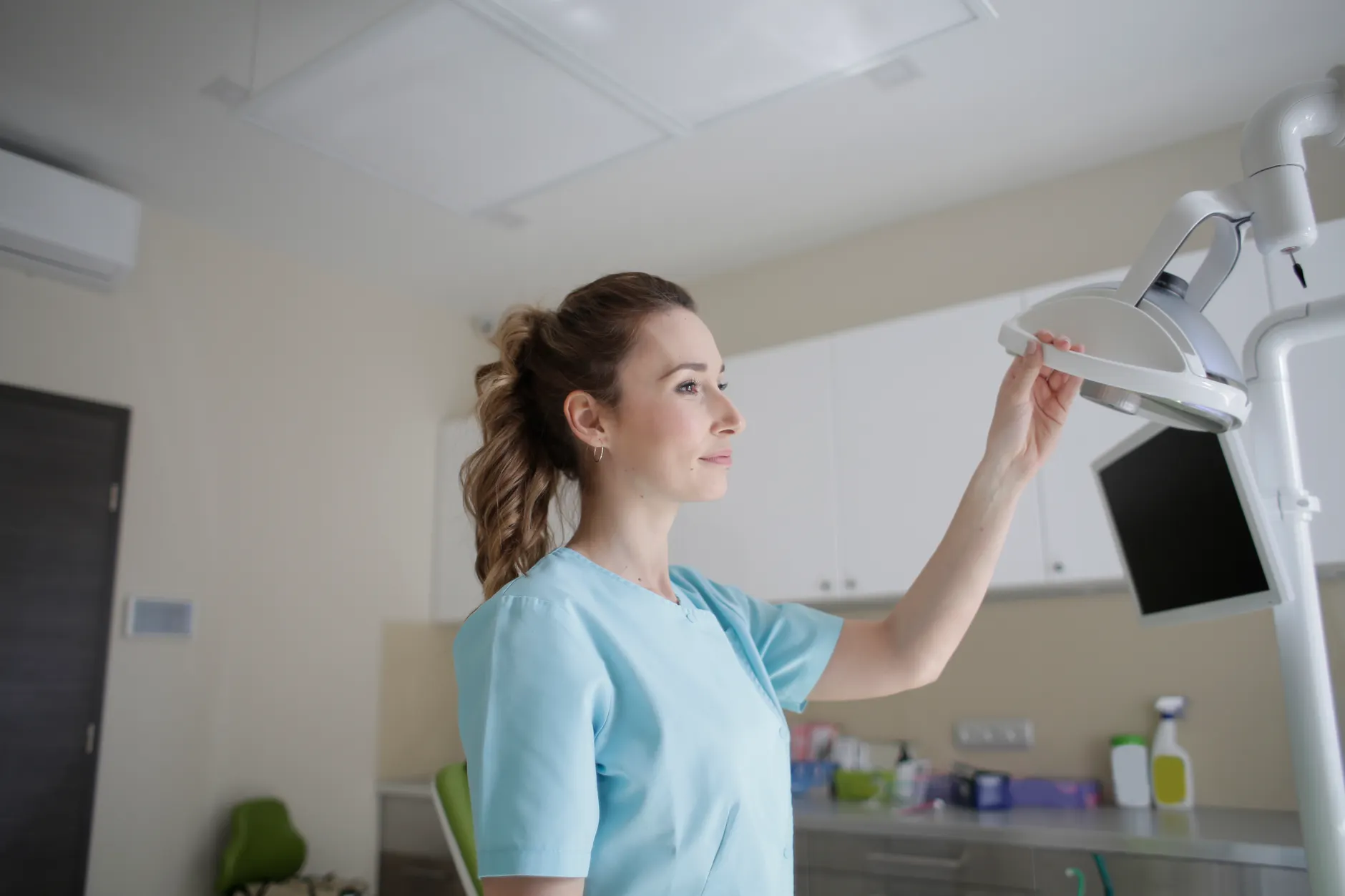
An occupational health nurse is a registered nurse who specializes in preventing workplace injury, promoting employee wellness, and ensuring regulatory compliance across corporate and industrial environments. Rather than focusing solely on acute illness, you work at the intersection of healthcare and business to protect a specific workforce.
To succeed in this specialty, you must balance direct clinical care with safety management. Many nurses transition here from emergency or medical-surgical settings to secure greater schedule predictability and professional autonomy. This guide covers daily responsibilities, educational pathways, certification options, and earning potential.
What does an occupational health nurse do?
Day-to-day duties combine clinical intervention with safety administration. In a heavy industrial plant, you might treat minor trauma, perform audiometric testing, or conduct respiratory fit tests. In a corporate office, your focus shifts toward ergonomic evaluations, chronic disease management, and wellness education. This preventive emphasis parallels public health nursing, though your target population is limited to a specific company’s workforce.
Regulatory oversight is equally central to the role. You often coordinate workers’ compensation claims, act as a liaison between injured employees and medical providers, and maintain injury logs mandated by the Occupational Safety and Health Administration (OSHA). Mastering these safety standards helps employers mitigate legal liability while guiding workers back to safe, productive employment.
Workplace Environments
The daily experience varies by industry. Manufacturing, construction, and heavy industrial sites often require autonomous trauma response and environmental hazard monitoring. Conversely, corporate headquarters and tech campuses focus heavily on preventive ergonomics, stress management, and health screenings. Understanding your preferred environment helps determine whether you lean toward emergency triage or corporate health promotion.

Educational Requirements: ADN vs. BSN
Entry into this specialty typically requires an active Registered Nurse license and foundational clinical experience. You can enter the field with either an Associate Degree in Nursing (ADN) or a Bachelor of Science in Nursing (BSN). While an ADN satisfies requirements for many clinical staff roles, a BSN provides a stronger foundation for leadership, case management, and specialist-level credentials.
COHN Certification and Career Pathway
The American Board for Occupational Health Nurses (ABOHN) awards specialty credentials that validate your expertise to employers. Earning a cohn certification demonstrates advanced competency in workplace health and safety.
COHN vs. COHN-S Comparison
| Credential | Education Requirement | Primary Focus |
|---|---|---|
| COHN | ADN or Diploma | Direct clinical practice, employee care, and safety implementation. |
| COHN-S | BSN or Higher Degree | Management, program administration, and business consultation. |
To qualify for either examination, candidates must document 3,000 hours of occupational health practice within the past five years. Review specific application windows and candidate handbooks directly through the ABOHN official portal.
Maintaining Your Certification
Certifications remain valid for five-year renewal cycles. To maintain active status, you must complete specialized continuing education and maintain professional practice. ABOHN requires structured continuing nursing education contact hours focused specifically on occupational health topics, such as industrial hygiene, toxicology, and ergonomics. This continuous learning requirement ensures your practice aligns with evolving safety standards and regulatory updates.
Just as clinical credentials require ongoing updates, exploring various [LPN continuing education and certification options](url) can help medical staff maintain their professional edge.

Understanding Occupational Health Nurse Salary Factors
An occupational health nurse salary depends heavily on geographic location, industrial sector, level of education, and certification status. According to Bureau of Labor Statistics trends, nurses employed in specialized manufacturing, tech, or corporate headquarters generally earn higher compensation than those in smaller outpatient clinics.
Because these professionals directly reduce workers’ compensation expenses and absenteeism, compensation often reflects the financial savings delivered to the employer. Earning specialty credentials and advancing into department leadership roles provide clear pathways to higher earning potential.
Navigating Your Career Transition
Transitioning into occupational health requires a deliberate assessment of your current clinical background and long-term professional goals. Whether you are moving from hospital bedside care or outpatient clinics, understanding how your day-to-day skills adapt to an industrial or corporate setting helps ensure a smooth career shift. You retain your core nursing competencies—such as assessment, triage, and critical thinking—while applying them to preventative population health and regulatory compliance.
Employers in this specialty look for registered nurses who demonstrate strong autonomous decision-making and communication abilities. Because you often operate as the primary medical point of contact on-site, your capacity to work independently with minimal daily supervision is just as vital as your clinical proficiency.

Day-to-Day Clinical Versus Regulatory Priorities
Balancing direct patient care with administrative safety duties forms the core of an occupational health nurse role. In practice, your time is split between treating acute workplace injuries, managing chronic conditions, and auditing environmental safety controls.
- Clinical Interventions: Performing initial evaluations for lacerations, burns, and musculoskeletal strains, alongside routine screenings like audiometry and vision testing.
- Regulatory Documentation: Managing documentation requirements, tracking incident trends, and ensuring facility compliance with safety standards.
- Case Management: Coordinating treatment plans between injured workers, external specialists, and insurance adjusters to facilitate safe, timely returns to work.
Professional Autonomy and Corporate Integration
One of the primary drivers for nurses entering this field is the professional autonomy it offers compared to traditional acute care facilities. You collaborate directly with human resources, safety directors, and executive leadership to shape health policies across the organization. This business-side integration allows you to influence workplace culture positively, emphasizing proactive injury prevention rather than reactive treatment.
Next Steps
If you are ready to enter this specialty, start by consolidating your clinical triage and assessment skills in emergency or urgent care settings. Familiarize yourself with safety regulations and consider connecting with professional groups such as the American Association of Occupational Health Nurses. Once you accumulate the required practice hours, select the appropriate certification track to formalize your expertise.
Frequently Asked Questions
Do I need a BSN to be an occupational health nurse?
You do not need a BSN for entry-level clinical positions; an ADN or diploma is sufficient. However, a BSN or higher degree is required if you wish to pursue the COHN-S specialist credential or advance into senior management and consulting roles.
What does an occupational health nurse do daily?
An occupational health nurse provides direct first aid, manages injury treatments, conducts pre-employment screenings, administers immunizations, performs ergonomic assessments, and maintains OSHA compliance logs.
What is the difference between COHN and COHN-S?
The COHN focuses primarily on direct clinical practice and patient care for RNs with an ADN, whereas the COHN-S focuses on management, program administration, and consultation for RNs holding a BSN or higher.
What is the renewal cycle for ABOHN credentials?
ABOHN certifications are renewed every five years. Renewal requires documenting ongoing professional practice and completing required continuing education contact hours specific to occupational health.
What factors influence an occupational health nurse salary?
Salary is influenced by geographic location, the specific industry sector such as manufacturing versus corporate office, years of experience, and whether you hold specialty certification like a COHN or COHN-S.
About This Article
Written by the Nurse CE Hub Editorial Team. We base state requirements and certification details on official board of nursing and certifying-organization sources, linked within the article.
Rules and fees can change. Confirm current requirements with your state board of nursing or certifying organization before you renew or apply. This article is general information, not legal or professional advice. How we research our content