How to Become a School Nurse
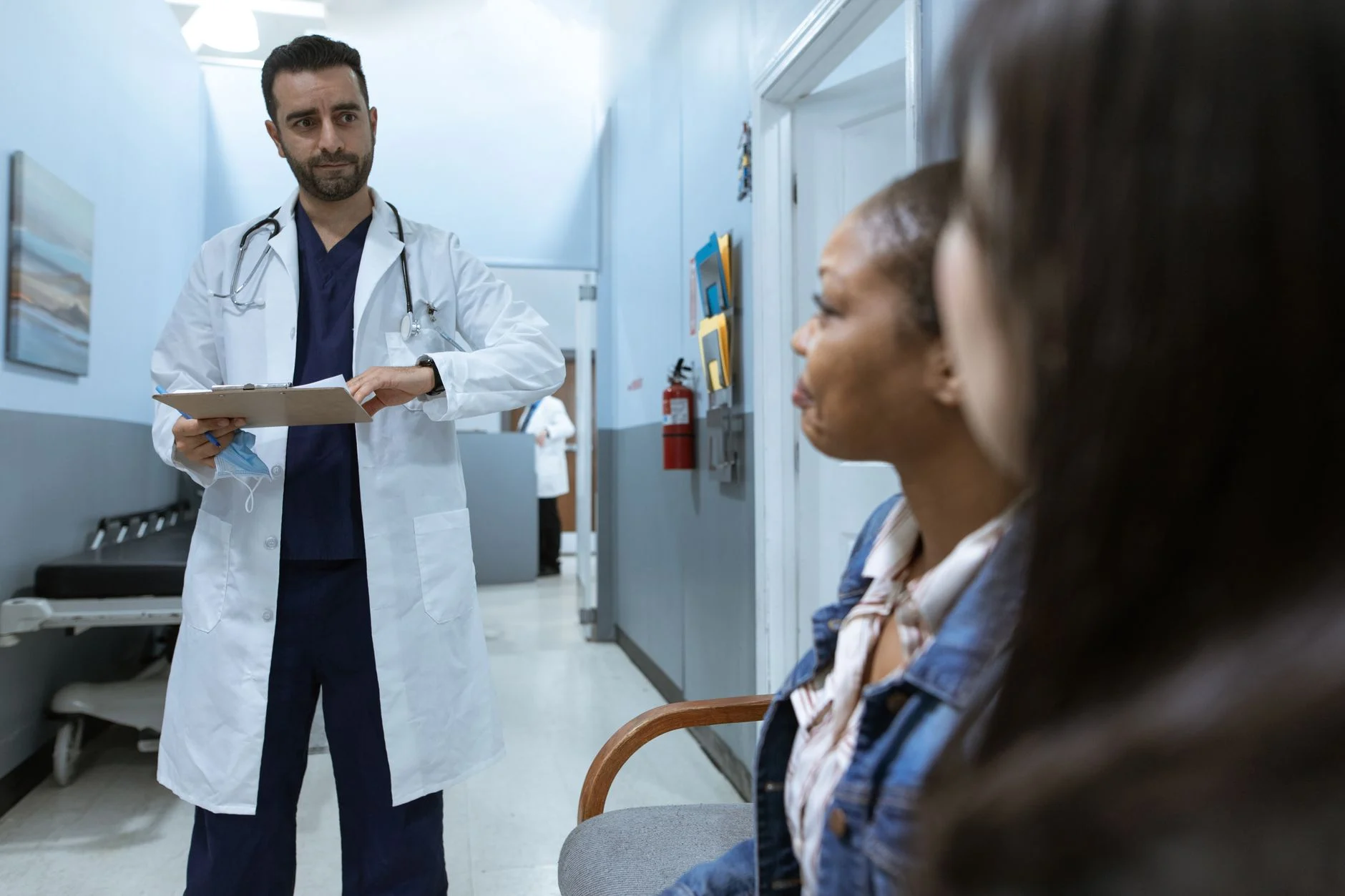
Becoming a school nurse allows registered nurses to transition from acute care settings into public health, working directly with students, families, and educational staff to manage chronic conditions, deliver acute care, and promote wellness within a school community. To secure a position in this specialty, you must understand a unique dual regulatory structure that combines nursing board licensure with state department of education credentialing requirements.
While bedside clinical experience in pediatric or emergency nursing provides a strong clinical foundation, stepping into an educational environment requires specific academic milestones, specialized certifications, and knowledge of public health law. Whether you are currently completing your initial nursing education or looking to pivot from a hospital floor, understanding these regulatory expectations ensures a smooth professional transition.
Understanding the School Nursing Specialty
School nursing bridges healthcare and education. Unlike traditional hospital roles where patient care is the sole focus, school nurses balance clinical interventions with health education, administrative compliance, and emergency response planning within a broader educational framework. Your daily responsibilities span managing individualized healthcare plans for students with chronic diagnoses like asthma or Type 1 diabetes, performing mandated screenings, and coordinating care with primary providers and families.
Practicing in a school setting also requires navigating public health regulations specific to children and adolescents. You must maintain compliance with immunization tracking, communicable disease reporting, and special education laws such as Section 504 and the Individuals with Disabilities Education Act (IDEA). This multidimensional scope makes school nursing a distinct public health discipline that differs significantly from standard acute care nursing.
Step 1: Complete Your Nursing Education and Earn Your RN License
The foundational step for any nursing career path involves completing an approved nursing program and passing the NCLEX-RN examination. You can enter the profession through an Associate Degree in Nursing (ADN) or a Bachelor of Science in Nursing (BSN). However, the National Association of School Nurses (NASN) recommends a BSN as the minimum educational requirement for professional school nursing practice, citing the curriculum’s emphasis on leadership, public health, and research.
Evaluating school nurse education and experience requirements helps clarify why many districts prefer candidates who possess a robust academic background alongside active clinical licensure. Once you hold an active, unencumbered RN license through your state board of nursing, you satisfy the primary clinical prerequisite for employment. To explore how foundational nursing qualifications are structured across different entry points, review our detailed guide on how to become a registered nurse. Holding a robust clinical background helps build the assessment skills needed when evaluating complex pediatric symptoms in a solo school health office.
Step 2: Navigate State Department of Education Credentials
A common point of confusion for nurses transitioning into education is the dual regulatory framework. While your board of nursing issues your professional RN license, your employment in public school districts is often governed by your state department of education. Many states require school nurses to hold a separate state department of education certificate, professional educator license, or specialized school nurse endorsement.
These education department credentials often require specific coursework beyond a basic nursing degree. Common mandatory subjects include public health nursing, school law, child growth and development, and health curriculum design. Depending on the jurisdiction, you may have a grace period of several years to complete these additional educational credits after initial hire. Always verify the exact statutory requirements through your state’s department of education rather than assuming a standard nursing license alone is sufficient for public school employment.
Comparison: Nursing Board Licensure vs. State Education Department Credentials
| Regulatory Body | Primary Purpose | Key Requirements |
|---|---|---|
| State Board of Nursing | Regulates safe nursing practice and protects public safety. | ADN or BSN degree, passing the NCLEX-RN, and periodic license renewal. |
| State Department of Education | Regulates educational qualifications for school staff and specialists. | Active RN license plus targeted coursework in school health, public health, or education. |
Core School Nurse Duties and Daily Scope of Practice
Once hired, your daily routine involves a mix of urgent triage, chronic disease management, and preventive health operations. Essential school nurse duties require independent decision-making since you typically operate as the sole healthcare professional in the building. Your core responsibilities include evaluating minor injuries, administering daily and emergency medications, managing allergy action plans, and conducting mandated vision, hearing, and scoliosis screenings.
Beyond direct clinical care, you function as a liaison between families, primary care providers, and school administrators. You participate in Individualized Education Program (IEP) meetings to ensure students with medical complexities can safely access their education. Maintaining accurate health records, managing state immunization compliance audits, and educating faculty on bloodborne pathogens and seizure recognition round out your daily public health responsibilities.
School Nurse Career Path, Continuing Education, and Renewal
Sustaining your career along the school nursing career path requires managing two distinct renewal cycles: maintaining your board of nursing license and maintaining your department of education credentials or professional certifications. Depending on your state, license renewal may require completing specific continuing education contact hours, sometimes with mandated topics such as child abuse recognition or pharmacology.

As you progress within this specialty, you may also pursue voluntary national specialty certification, such as the National Board for Certification of School Nurses (NBCSN) credential, to validate your expertise. To understand advanced educational pathways and administrative leadership roles within nursing specialties, you can review our guide on how to become a nurse practitioner, which explores higher-degree options for advanced practice nurses working in pediatric and community health settings. For those focusing specifically on validation standards and professional credentials, our dedicated School Nurse Certification guide provides further details on eligibility, examination structures, and portfolio requirements.
Transition Checklist for Aspiring School Nurses
Successfully transitioning from acute care or general clinical practice into a school health office involves structured planning. Use this practical checklist to guide your professional preparation:
- Verify Licensure Status: Ensure your state RN license is active, unencumbered, and registered with your state board of nursing.
- Review Education Requirements: Check whether your target state department of education mandates a BSN, specific coursework, or an educational endorsement.
- Audit Continuing Education: Complete any required pharmacology or pediatric clinical contact hours needed for local credentialing.
- Examine District Policies: Review local school district hiring guidelines regarding required background checks, CPR/AED instructor certifications, and immunization audits.
- Explore National Certification: Review eligibility criteria for voluntary credentials through the National Board for Certification of School Nurses.
Practical Next Steps for Aspiring School Nurses
Transitioning into an educational health office is a rewarding shift that combines clinical expertise with community advocacy. Review your target state’s department of education portal alongside the board of nursing guidelines to identify any missing coursework or credential endorsements. Preparing early ensures you meet all local district hiring criteria and are fully equipped to support student wellness from day one.
Essential Clinical Competencies for School Health Offices
Operating as a school nurse requires versatile clinical assessment skills, as you manage a wide spectrum of acute injuries, chronic conditions, and behavioral health needs without immediate peer backup. Evaluating school nurse education and experience requirements reveals why prior background in pediatric emergency care, ambulatory pediatrics, or community health proves invaluable when interpreting subtle clinical symptoms in children and adolescents. You must be adept at differentiating routine complaints from emergent medical events, such as acute asthma exacerbations, anaphylaxis, diabetic emergencies, or concussions sustained during physical education classes.

In addition to managing physical trauma and chronic illnesses, modern school health offices increasingly address adolescent mental health and developmental needs. You often serve as an initial point of contact for students experiencing acute anxiety, panic attacks, or behavioral crises. Establishing clear referral networks with school counselors, local mental health agencies, and pediatric primary care providers ensures that students receive comprehensive support beyond the school health office.
Daily Operations and Administrative Responsibilities
Beyond direct patient care, your daily workflow encompasses extensive administrative and public health obligations. School nurse duties require meticulous documentation of every clinical encounter, medication administration, and screening result in secure electronic health record systems while maintaining strict compliance with student privacy laws such as the Family Educational Rights and Privacy Act (FERPA) and the Health Insurance Portability and Accountability Act (HIPAA).
You also manage population-level public health tasks within the school community. These responsibilities include organizing mass vision, hearing, and postural screenings, auditing student immunization records to enforce state-mandated vaccine compliance, and collaborating with local public health departments during communicable disease outbreaks. By tracking attendance patterns and illness symptoms, you help mitigate the spread of infectious diseases across classrooms.
Frequently Asked Questions
Do I need bedside nursing experience before becoming a school nurse?
While many school districts prefer candidates with prior pediatric, emergency, or community health experience, it is not universally required. Some districts hire new graduates, provided they hold an active RN license and demonstrate strong clinical assessment and communication skills.
Can I work as a school nurse with an Associate Degree in Nursing (ADN)?
Yes, many school districts hire registered nurses with an ADN, especially in states facing nursing shortages. However, the National Association of School Nurses recommends a BSN as the minimum educational standard, and certain state departments of education may require a bachelor's degree for advanced school nurse credentials.
What continuing education hours are needed to renew school nurse credentials?
Continuing education requirements vary widely by state and depend on whether you are renewing your nursing board license, your state education department certificate, or a national specialty certification. Always check your specific state board of nursing and department of education guidelines for exact contact hour mandates.
How do school nurse duties differ from hospital nursing?
Hospital nurses typically manage acute care patients in structured multidisciplinary teams with physicians and supervisors nearby. School nurses operate independently in an educational environment, focusing on public health, chronic disease management, preventive screenings, and health education for children.
Do school districts require specialized pediatric clinical experience upfront?
Specific clinical experience requirements vary by local school district policy and state regulations. While some districts mandate pediatric or emergency room backgrounds, others accept general medical-surgical experience combined with a willingness to complete orientation and school health mentorship programs.
About This Article
Written by the Nurse CE Hub Editorial Team. We base state requirements and certification details on official board of nursing and certifying-organization sources, linked within the article.
Rules and fees can change. Confirm current requirements with your state board of nursing or certifying organization before you renew or apply. This article is general information, not legal or professional advice. How we research our content