eICU Nurse: Role and Requirements

An eICU nurse is a critical care registered nurse who monitors hospitalized intensive care patients remotely from a centralized command center using advanced audiovisual technology, electronic health records, and real-time physiological data feeds. Rather than replacing bedside staff, an eICU nurse functions as an extra layer of clinical safety, watching trends, coordinating care protocols, and assisting with early interventions across multiple hospital units. If you are an experienced bedside clinician considering a transition to advanced practice or remote monitoring, understanding this specialized tele-ICU nursing role clarifies daily workflows, technical competencies, legal parameters, and certification pathways.
What Is an eICU Nurse?
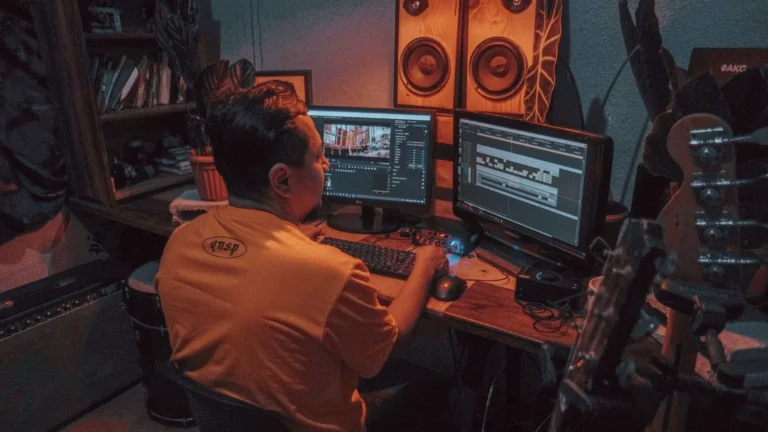
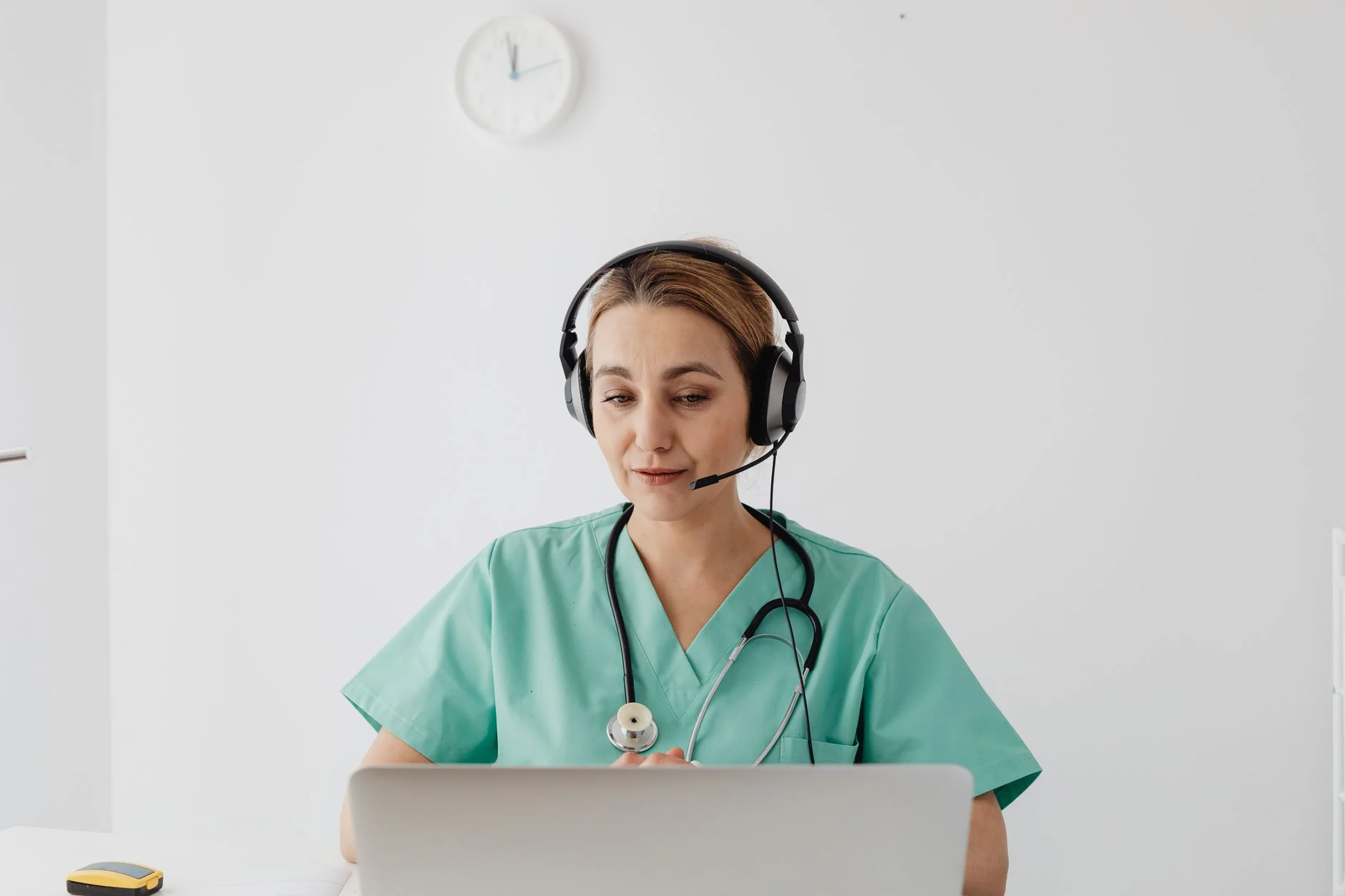
The term eICU refers to electronic intensive care or tele-ICU nursing, a care delivery model where off-site clinicians support bedside teams. An eICU nurse operates from a specialized command center equipped with multi-monitor computer banks, high-definition cameras, two-way audio systems, and predictive clinical software. This post-pandemic surge in telehealth infrastructure has accelerated the adoption of remote monitoring hubs, bridging geographical gaps and allowing experienced critical care nurses to support smaller community hospitals or manage overnight monitoring surges.
In this capacity, you do not perform direct physical bedside procedures like starting peripheral IVs or turning patients. Instead, you analyze continuous hemodynamic data, track laboratory trends, audit compliance with care bundles, and communicate directly with bedside nurses and intensivists to prevent clinical deterioration before it escalates into an emergency.
Daily Responsibilities and Workflow
The daily workflow of an eICU nurse revolves around proactive surveillance and rapid response coordination. While a traditional bedside nurse cares for one or two patients directly, a remote ICU nurse often oversees a larger cohort of stable and unstable patients across different hospital facilities simultaneously. Nurses seeking remote icu nurse jobs will find that command center environments prioritize data analytics and virtual team communication over physical bedside tasks.
Your core daily responsibilities include:
- Continuous Physiological Monitoring: Reviewing real-time telemetry, invasive blood pressure lines, ventilator settings, and oxygen saturation waveforms.
- Data Analytics Review: Utilizing clinical decision support software that highlights subtle deviations in lab results or vital signs that signal sepsis, acute kidney injury, or hemodynamic instability.
- Collaborative Communication: Participating in multidisciplinary virtual rounds with bedside nurses, respiratory therapists, and remote intensivists.
- Protocol Auditing: Ensuring that ventilator-associated pneumonia prevention bundles, sedation scales, and glycemic control protocols are strictly followed across all assigned units.
- Emergency Response Support: Acting as an immediate secondary pair of eyes during codes, helping document events, ordering secondary pharmaceuticals through established protocols, or paging specialty consults while the bedside team focuses on hands-on resuscitation.
Handling Patient Emergencies Remotely
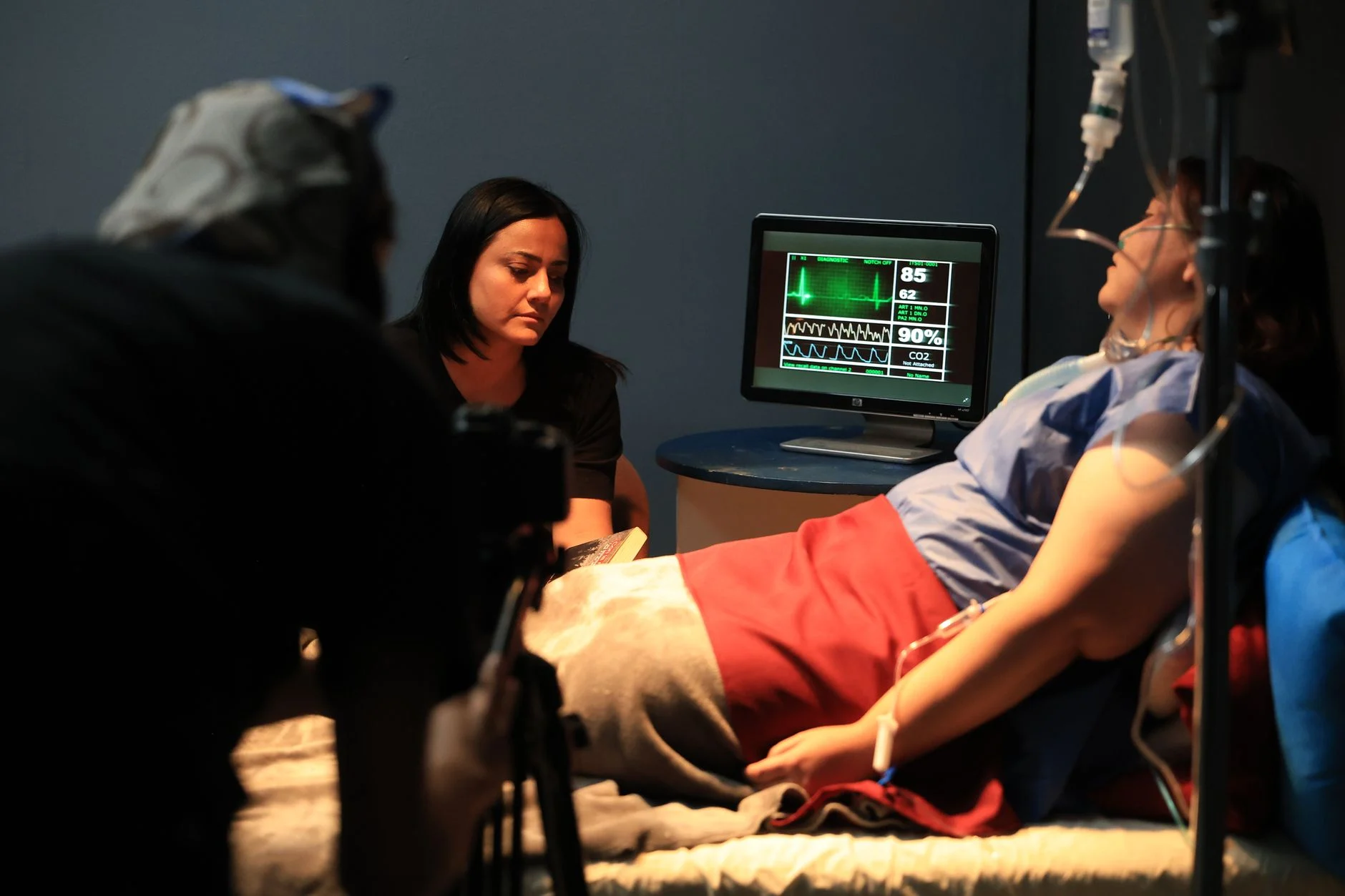
A central clinical challenge for remote clinicians is managing acute decompensation without physical presence. When patient monitors trigger critical alarms or predictive analytics flag early deterioration, the remote workflow relies on a structured sequence of virtual assessment and rapid team activation. Mechanism: The eICU nurse instantly reviews multi-channel telemetry, high-definition camera feeds, and real-time electronic health record data to verify whether an alarm indicates a true physiological emergency or equipment artifact. Practical effect: This rapid triage allows the remote nurse to immediately alert the bedside nurse via two-way audio or intercom systems, activate rapid response teams, or prep protocol-driven emergency orders while physical staff mobilize. Limitation: Because physical interventions require bedside hands, the remote nurse cannot secure an airway or administer emergency medications directly, making seamless verbal communication and precise remote documentation vital to patient survival.
Legal and Ethical Considerations of Remote Interventions
Practicing critical care across digital channels introduces complex regulatory and ethical frameworks. Legal considerations encompass interstate licensure boundaries, liability allocation between remote and bedside teams, and strict adherence to the Health Insurance Portability and Accountability Act (HIPAA) within open command centers or home offices. Ethically, remote clinicians must navigate the duty to rescue, patient consent for continuous electronic observation, and the preservation of patient dignity through cameras and microphones. Establishing clear institutional policies and maintaining compliance with the American Association of Critical-Care Nurses (AACN) tele-ICU scope of practice helps mitigate professional liability during high-acuity remote interventions.
Requirements and Certifications
Transitioning into tele-health or advanced clinical roles requires a solid foundation in acute care. Most health systems and specialized monitoring networks require registered nurses to hold an active, unencumbered RN license, often with multistate privileges through the Nurse Licensure Compact depending on where the command center and patient beds are located.
Clinical experience is the primary prerequisite. Facilities typically look for 3 to 5 years of recent bedside intensive care unit experience to ensure you possess the pattern recognition and clinical judgment necessary to interpret subtle physiological cues without physical bedside contact. Essential baseline certifications include Basic Life Support (BLS) and Advanced Cardiovascular Life Support (ACLS).
While not always mandatory on day one, specialty certifications such as the Critical Care Registered Nurse (CCRN) credential issued by the AACN are highly valued. The AACN outlines professional standards for tele-ICU practice, emphasizing that remote monitoring requires the same rigorous clinical competency as bedside nursing, coupled with advanced digital literacy.
Bedside ICU vs. eICU: A Comparison
Moving from a traditional bedside environment to a remote monitoring center involves distinct shifts in daily routines, patient interaction, and physical demands.
| Operational Feature | Bedside ICU Nurse | eICU Nurse |
|---|---|---|
| Primary Patient Contact | Direct, hands-on care (assessments, hygiene, procedures). | Indirect, camera-based and data-driven virtual monitoring. |
| Patient Assignment Ratio | Typically 1:1 or 1:2 based on acuity. | Monitors multiple patient rooms simultaneously across units. |
| Primary Environment | Active hospital bedside, high sensory and physical demand. | Command center or approved home office, screen-based focus. |
| Technology Interface | Bedside monitors, smart pumps, localized EMR entry. | Multi-monitor walls, predictive analytics algorithms, audio feeds. |
| Emergency Role | Direct physical resuscitation and procedural assistance. | Remote alert verification, secondary documentation, specialist dispatch. |
Challenges and Skills for Remote Success
While remote nursing eliminates physical strains like heavy lifting and long periods of standing, it introduces unique cognitive and environmental challenges. Staring at multiple high-definition screens for a 12-hour shift can lead to digital eye strain, mental fatigue, and alarm weariness.
Successful remote clinicians must master distinct communication skills. Because you cannot rely on physical touch or presence, you must build rapport quickly through a camera lens or two-way speaker. Clear, concise verbal articulation is vital when guiding a bedside nurse through an emergent titration or alerting a physician to a worsening trend. Technical fluency is equally important; you must navigate complex telemetry software, dual-screen electronic health records, and audio-visual communication platforms seamlessly without slowing down patient care.
Next Steps in Your Critical Care Career
Exploring remote critical care opportunities begins with evaluating your current bedside experience and technical readiness. If you have years of intensive care background and feel comfortable interpreting complex hemodynamic data through a digital interface, research health systems operating regional telehealth hubs. Ensure your nursing license complies with interstate practice regulations, and consider pursuing advanced critical care certifications to strengthen your qualifications for these specialized nursing roles.
Frequently Asked Questions
Do I need a specific license to work as an eICU nurse in another state?
Yes. Your nursing license must authorize practice in the state where the patient is physically located at the time of monitoring. Many health systems operate across state lines, making multistate licensure through the Nurse Licensure Compact or individual single-state licenses necessary depending on your command center's jurisdiction and patient locations.
Can I work as an eICU nurse from home?
Some healthcare organizations offer remote ICU nurse jobs with work-from-home options for experienced staff, provided you meet strict home office, high-speed internet, and HIPAA-compliant privacy requirements. However, many health systems require nurses to work out of a centralized physical command center, especially during initial orientation and training periods.
Does an eICU nurse replace the bedside nurse?
No. An eICU nurse supplements bedside care rather than replacing it. Bedside nurses perform essential physical assessments, medication administration, and direct procedures, while the remote nurse provides continuous surveillance, protocol tracking, and secondary clinical backup.
Are there specific certifications for tele-ICU nursing?
While there is no single mandated tele-ICU specialty exam, employers universally require standard critical care credentials such as the CCRN from the AACN, along with active BLS and ACLS certifications, to prove foundational competence in managing complex physiological instability.
How is patient privacy maintained in a remote monitoring center?
Remote command centers and home-based workstations must comply fully with HIPAA regulations. This includes using encrypted data connections, secure multi-factor authentication for electronic health records, private acoustic workspaces, and strict security protocols that prevent unauthorized individuals from viewing camera feeds or patient data.
About This Article
Written by the Nurse CE Hub Editorial Team. We base state requirements and certification details on official board of nursing and certifying-organization sources, linked within the article.
Rules and fees can change. Confirm current requirements with your state board of nursing or certifying organization before you renew or apply. This article is general information, not legal or professional advice. How we research our content