How to Become an Operating Room Nurse
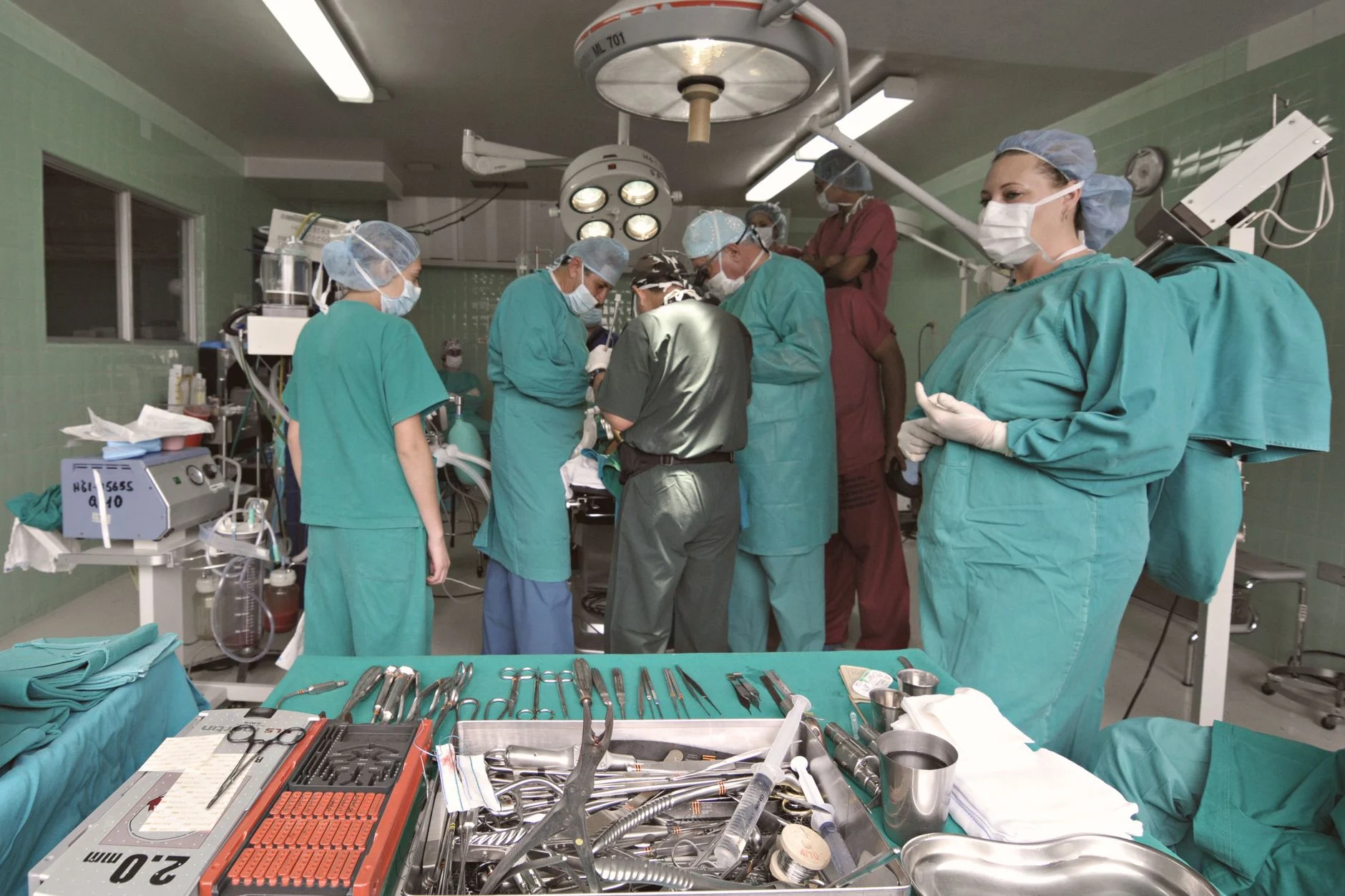
Becoming an operating room nurse requires completing foundational nursing education, obtaining an active registered nurse license, and gaining targeted clinical experience in a perioperative environment. Operating room nurses, also known as perioperative nurses, manage patient care before, during, and immediately after surgical procedures. Stepping into this specialty requires an understanding of clinical pathways, daily responsibilities, and how to maintain legal licensure while pursuing professional credentialing.
To establish your nursing foundation, you must first complete an approved educational program. You can learn more about initial licensing milestones through our guide on how to become a registered nurse.
Introduction to Perioperative Nursing
Perioperative nursing encompasses the entire surgical experience divided into three distinct phases: preoperative, intraoperative, and postoperative care. Unlike bedside nursing on a general medical-surgical unit, the operating room environment operates under strict sterile protocols, rapid physiological shifts, and close interdisciplinary collaboration with surgeons, anesthesiologists, and surgical technologists.
Nurses in this field do not simply hand instruments across a sterile field. They manage complex physiological monitoring, coordinate patient safety checklists, advocate for vulnerable patients under anesthesia, and manage highly specialized surgical technology. Success in this specialty demands acute attention to detail, rapid decision-making under pressure, and strict adherence to aseptic technique.
Step 1: Earn Your Nursing Degree and RN License
Your journey begins by earning either an Associate Degree in Nursing (ADN) or a Bachelor of Science in Nursing (BSN) from an accredited nursing program. Both educational pathways qualify you to sit for the National Council Licensure Examination for Registered Nurses (NCLEX-RN).
Upon passing the NCLEX-RN, you must apply for licensure through your state board of nursing. If your primary state of residence is a member of the Nurse Licensure Compact (NLC), obtaining a multistate license allows you to practice across participating state borders without holding multiple individual licenses. Maintaining this active, unrestricted RN license is a non-negotiable prerequisite for entering and remaining in perioperative practice.
Step 2: Fulfill Operating Room Nurse Education and Experience Requirements
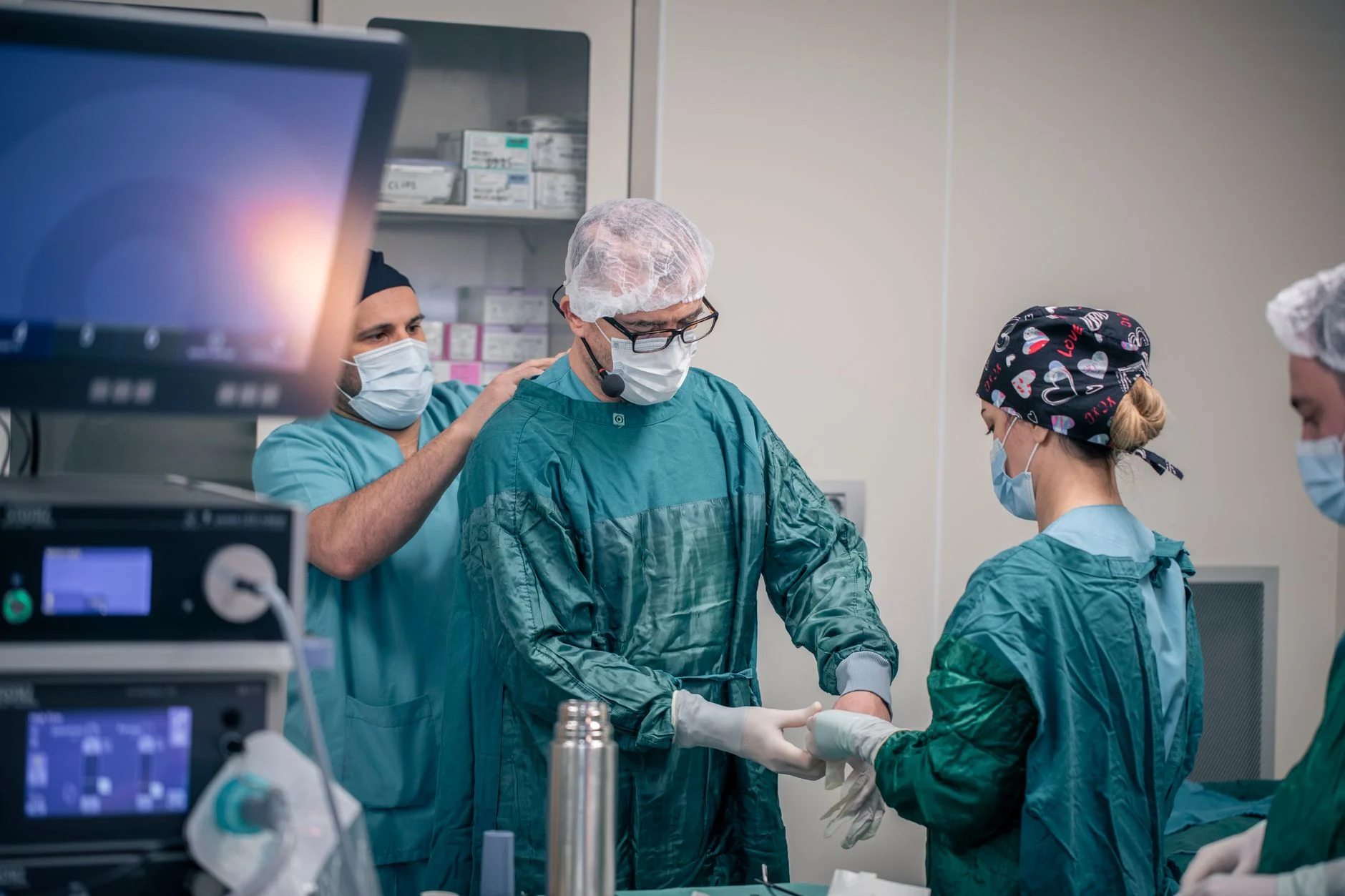
Transitioning into the surgical suite requires meeting specific operating room nurse education and experience requirements established by hiring facilities and professional organizations. While a few hospitals offer specialized nurse residency or perioperative intern programs for brand-new graduates, many inpatient surgical departments prefer candidates with at least one to two years of acute care medical-surgical or critical care background.
If you start in critical care, transitioning your skills is similar to the pathway explored in our guide on how to become a critical care nurse. For nurses entering dedicated perioperative training programs, standard requirements typically include:
- An active, unencumbered RN license in the state of practice.
- Basic Life Support (BLS) and Advanced Cardiovascular Life Support (ACLS) certifications.
- Completion of a didactic perioperative nursing course paired with a supervised clinical preceptorship.
- Comprehensive background checks and health clearances required for surgical departments.
Core Operating Room Nurse Duties
Once inside the surgical suite, your daily responsibilities generally fall into two primary categories: circulating roles and scrub roles. Understanding operating room nurse duties requires examining how these two functions complement each other to maintain sterile integrity and patient safety.
| Duty Category | Circulating Nurse | Scrub Nurse |
|---|---|---|
| Sterile Status | Non-sterile (unrestricted/semi-restricted and restricted zones). | Sterile (scrubbed, gowned, and gloved at the sterile field). |
| Primary Focus | Patient advocacy, documentation, coordinating room traffic, and managing supplies. | Handing instruments to the surgeon, managing the sterile field, and tracking counts. |
| Patient Interaction | Conducts pre-op assessments, positions patient, monitors vitals, and provides post-op handoff. | Interacts primarily with the surgical team while the patient is under anesthesia. |
| Safety Checks | Leads time-out verification, manages specimen collection, and tracks fluid balance. | Performs rigorous instrument, needle, and sponge counts with the circulator. |
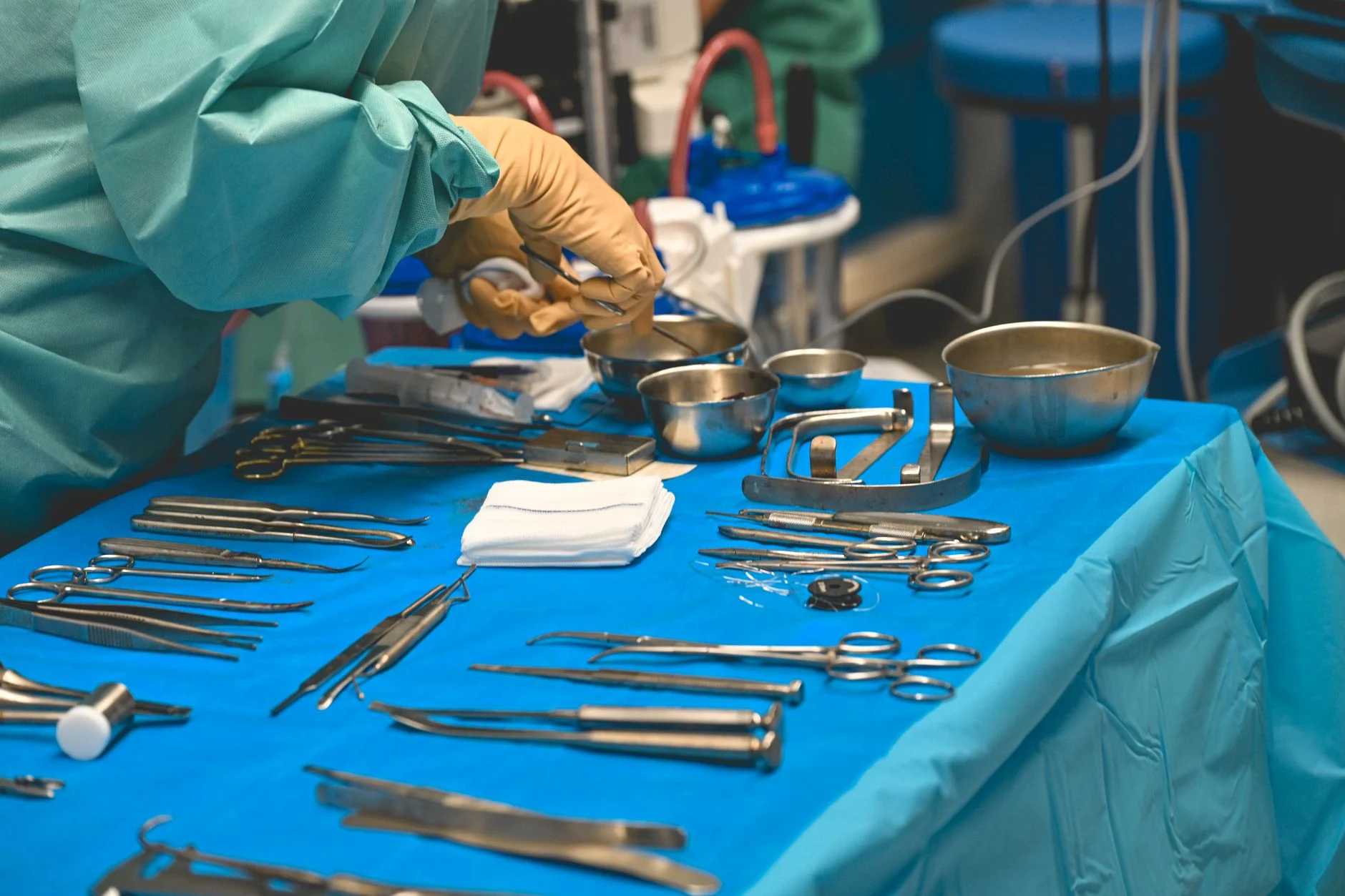
The circulating nurse acts as the manager of the operating room environment. They verify informed consent, position the patient safely on the operating table, apply grounding pads for electrosurgery, and maintain real-time documentation in the electronic health record. The scrub nurse remains sterile at the instrument table, anticipating the surgeon’s needs, maintaining an organized sterile field, and accounting for every sponge and needle used during the procedure.
Operating Room Nursing Career Path and Specialization
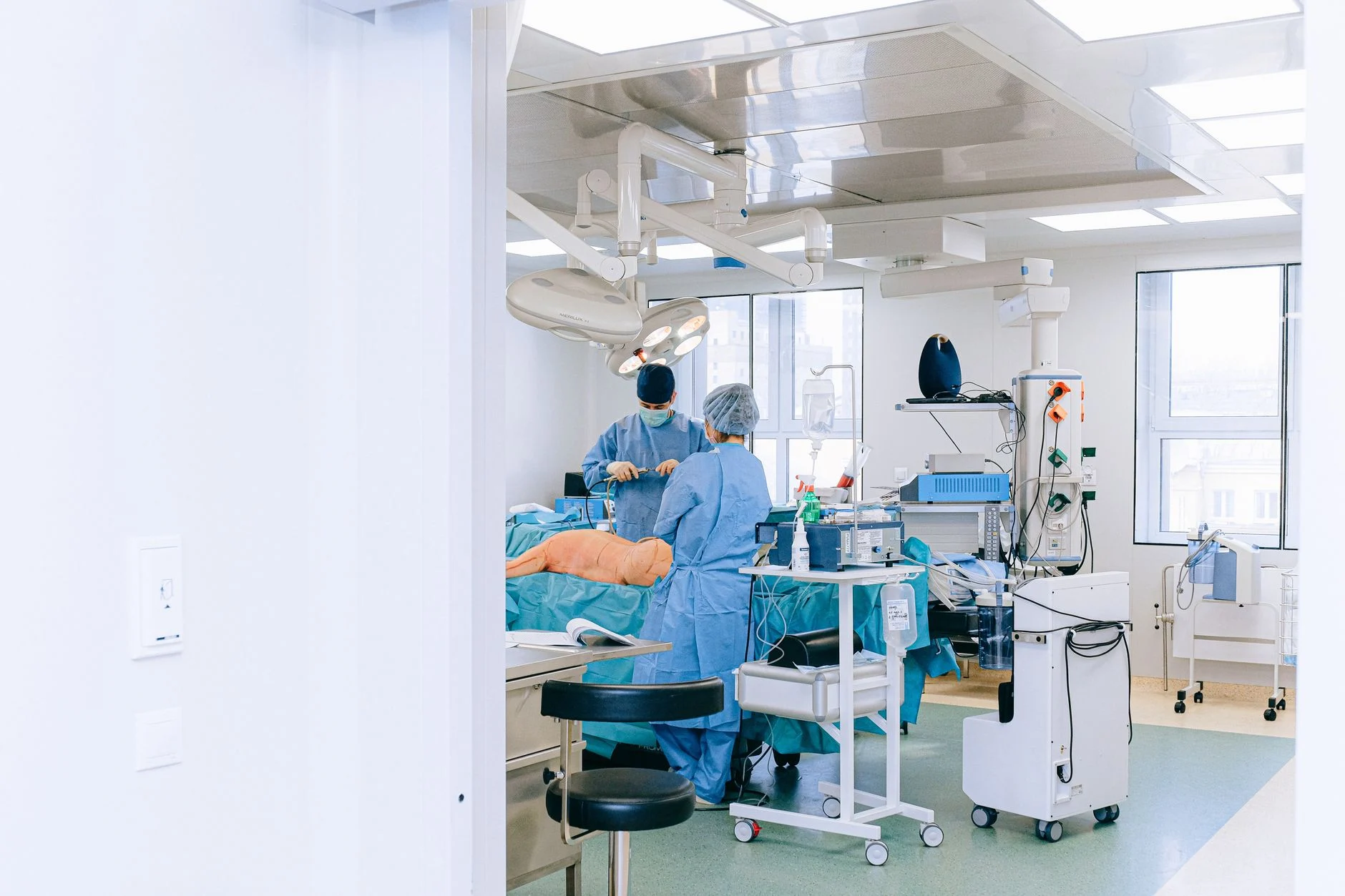
The operating room nursing career path offers structured opportunities for clinical advancement, leadership, and professional credentialing. As you gain hands-on expertise, you can move from a general staff nurse position to specialized surgical teams focusing on cardiovascular, neurosurgical, orthopedic, or transplant procedures.
After acquiring substantial clinical background—specifically meeting the threshold of two years and 2,400 hours of perioperative practice, with at least 1,200 hours in an intraoperative setting—you become eligible to sit for the Certified Nurse, Operating Room (CNOR) credential offered by the Competency and Credentialing Institute (CCI). The CNOR exam validates your advanced perioperative knowledge through a 200-question test administered over three hours and 45 minutes, requiring a minimum passing score of 620 out of 800.
Beyond the CNOR credential, experienced perioperative nurses can advance into roles such as Clinical Nurse Specialist, operating room educator, service line coordinator, perioperative manager, or Registered Nurse First Assistant (RNFA).
License Renewal and Continuing Education Resources
Maintaining your legal right to practice requires strict adherence to state board of nursing renewal schedules. Every state mandates specific continuing education (CE) contact hours for license renewal, which vary depending on whether you hold an RN, LPN/LVN, or APRN license. Multistate license holders must follow the continuing education mandates of their primary state of residence.
To fulfill these regulatory obligations, you should select accredited educational activities that align with your state board requirements and clinical specialty. For professional credential maintenance, certifying bodies like the CCI require specific contact hours in perioperative topics during each renewal cycle. Always verify that your chosen educational provider is recognized by your state board or national accrediting organization before submitting documentation.
Frequently Asked Questions
Can brand-new nursing graduates work directly in the operating room?
Yes. Many hospital systems offer dedicated perioperative nurse residency or internship programs designed specifically for new graduates. These structured programs combine classroom didactic learning with extended, supervised clinical preceptorships in the surgical suite.
What continuing education do operating room nurses need for license renewal?
Operating room nurses must satisfy the continuing education contact hour requirements mandated by their specific state board of nursing for RN license renewal. Those holding professional credentials like the CNOR must also complete perioperative-specific contact hours to maintain certification.
How long does it take to become a certified operating room nurse?
To qualify for the CNOR credential, you must possess an active RN license and complete a minimum of two years and 2,400 hours of perioperative nursing experience, with at least 1,200 of those hours spent in an intraoperative setting.
What are the primary differences between scrub and circulating nurses?
Circulating nurses work in non-sterile roles managing room coordination, documentation, and patient advocacy. Scrub nurses maintain a sterile status, handle surgical instruments directly at the sterile field, and perform precise instrument and sponge counts with the surgical team.
About This Article
Written by the Nurse CE Hub Editorial Team. We base state requirements and certification details on official board of nursing and certifying-organization sources, linked within the article.
Rules and fees can change. Confirm current requirements with your state board of nursing or certifying organization before you renew or apply. This article is general information, not legal or professional advice. How we research our content