LPN Career Path

Choosing an LPN career path requires an understanding that your professional foundation is built on a specific scope of practice defined by your state’s Nurse Practice Act. As a licensed practical nurse, you provide essential patient care under the direction of an RN, physician, or other authorized healthcare provider. Your role focuses on monitoring patient status, administering medications, and performing clinical tasks that support the overall care plan. According to the Bureau of Labor Statistics (BLS), the demand for licensed practical and licensed vocational nurses remains steady, with current nursing shortages often expanding the responsibilities of LPNs within the limits of their state-defined scope. You can verify your specific scope of practice by visiting the National Council of State Boards of Nursing (NCSBN) website to locate your state’s board of nursing, which serves as the ultimate authority for your practice boundaries.
Core Scope: Licensed Practical Nurse Duties
Your licensed practical nurse duties are determined by the state board of nursing where you hold your license. While specific tasks vary by jurisdiction, the core scope generally includes collecting patient data, assisting with activities of daily living, wound care, and medication administration. Because you work under the direction of an RN or physician, your clinical autonomy is defined by the specific regulations of your state. It is essential to recognize that while facility policies may change due to staffing shortages, these policies cannot override the legal boundaries established by your state’s Nurse Practice Act.
Environment: LPN Work Settings
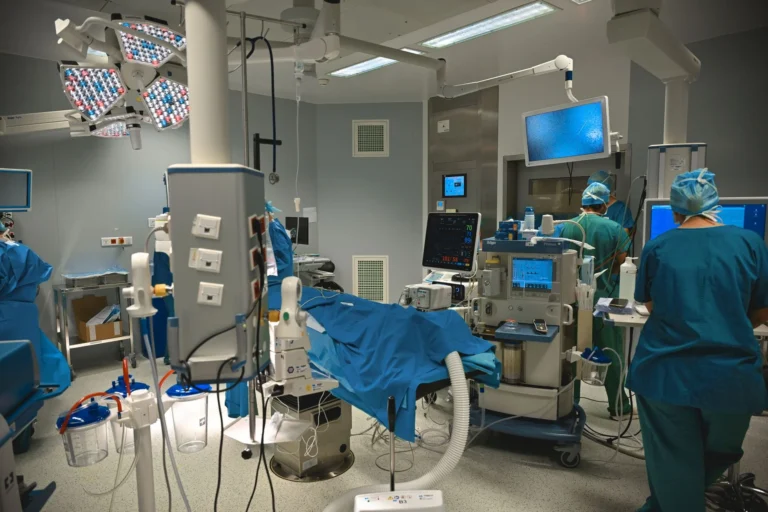
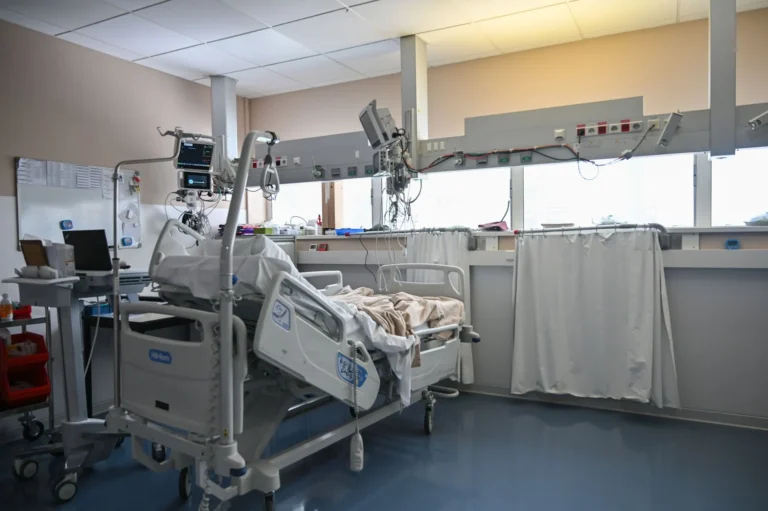
LPNs work in diverse settings, each with unique demands regarding patient acuity, pace, and the level of independent decision-making required. The following table compares common LPN work settings to help you identify which environment aligns with your career goals.
| Setting | Pace | Patient Acuity | Autonomy |
|---|---|---|---|
| Long-Term Care | High | Moderate to High | Moderate |
| Private Clinic | Moderate | Low to Moderate | High |
| Home Health | Variable | Moderate | High |
| Hospital | Very High | High | Low (Supervised) |
Growth: LPN Career Advancement
Professional development in this field often involves seeking specialty certifications or pursuing additional education. Many nurses choose to specialize in areas such as gerontology, pharmacology, or wound care to increase their expertise. For those interested in expanding their clinical reach, LPN career advancement frequently includes bridge programs. These programs are designed to transition LPNs into RN roles by recognizing previous clinical education. Before enrolling, consider your long-term goals and ensure the program is accredited and recognized by your state board. You may find helpful context in our nursing career resources as you map out your professional trajectory.

Checklist for LPN-to-RN Transition
Preparing for an LPN-to-RN transition requires strategic planning. Follow this checklist to ensure you are ready for the academic and clinical demands:
- Verify Prerequisites: Review the specific admission requirements for bridge programs at accredited institutions.
- Consult Your State Board: Confirm that your current license is in good standing and check if the bridge program is recognized by your jurisdiction.
- Assess Clinical Experience: Document your clinical hours, as some programs may offer credit for prior work experience.
- Financial Planning: Research tuition costs and potential employer-sponsored tuition reimbursement programs.
- Evaluate Time Commitment: Determine if a part-time or full-time program better fits your current employment and personal obligations.
Specialization and Professional Development
Beyond traditional bridge programs, you can enhance your career by pursuing certifications that demonstrate proficiency in specific clinical areas. For instance, obtaining a certification in IV therapy or wound care can lead to specialized roles within long-term care or home health agencies. If you are interested in administrative or educational pathways, you might explore roles like a CDI nurse or a pharmaceutical nurse educator. These paths often require a combination of clinical experience and targeted continuing education. Always verify that your chosen specialty aligns with your state’s regulations regarding your professional scope.
Regulatory Reality: Understanding Your State Board
Your career is governed by your state’s Nurse Practice Act, which serves as the ultimate authority on what you can and cannot do. Regulations regarding medication administration, IV therapy, and supervisory roles change periodically. It is your responsibility to stay informed about the rules in your specific jurisdiction. If you are considering a move to a new state, verify the licensure requirements and scope differences before relocating. The impact of current nursing shortages may also influence facility-specific policies, but these policies must still remain within the bounds of your state-mandated scope of practice.

Understanding LPN and LVN Nomenclature
A common point of confusion for those entering the field is the difference between an LPN and an LVN. Both titles refer to the exact same role and scope of practice; the distinction is purely geographic. Licensed Practical Nurse (LPN) is the title used in most U.S. states, while Licensed Vocational Nurse (LVN) is the specific title used in California and Texas. Regardless of the acronym, your license is issued by the state board of nursing, and your legal authority to practice is confined to that state’s jurisdiction. If you relocate, you must apply for licensure by endorsement in your new state, at which point your title will officially align with that state’s regulatory terminology.
Nuance in State-Specific Practice Acts
While the fundamental licensed practical nurse duties are consistent across the country, state-specific Nurse Practice Acts create significant variations in what you are legally permitted to perform. For example, some states allow LPNs to initiate and maintain IV therapy with specific certification, while others strictly prohibit LPNs from administering certain intravenous medications or managing central lines. Because these regulations are the ultimate authority for your practice, you should never rely on facility policy alone to justify a clinical task. Always consult your state board of nursing’s official website to verify your current scope, especially before performing advanced procedures or accepting a position in a new clinical environment.
Strategic Planning for LPN Career Advancement
When considering your long-term trajectory, it is helpful to categorize your professional growth into clinical, administrative, or educational pathways. Many nurses find that LPN career advancement is most effective when they align their continuing education with their current work setting. For instance, if you work in long-term care, obtaining a certification in gerontology can distinguish your resume for leadership roles, such as a charge nurse or unit manager. If you are aiming for a hospital setting, focus on certifications that demonstrate high-acuity skills, such as basic life support or specialized wound care, which can help bridge the gap in clinical experience requirements. Always document your completed continuing education units (CEUs) in a professional portfolio, as these records are essential for both licensure renewal and demonstrating your qualifications to potential employers during a transition to a new role.

Evaluating LPN Work Settings
Choosing the right environment is a critical component of your professional satisfaction. The following table provides a comparative overview of how different settings influence your daily practice and professional growth.
| Setting | Pace | Patient Acuity | Autonomy |
|---|---|---|---|
| Long-Term Care | High | Moderate to High | Moderate |
| Private Clinic | Moderate | Low to Moderate | High |
| Home Health | Variable | Moderate | High |
| Hospital | Very High | High | Low (Supervised) |
Next Steps for Your Career
To move forward, start by reviewing your current state’s board of nursing website to confirm your specific scope of practice. If you are considering a bridge program, request information from multiple nursing schools to compare prerequisites, clinical requirements, and cost. Focus on building strong soft skills, such as communication, critical thinking, and time management, which are critical for success in any clinical setting. Regularly update your professional portfolio and seek out CE opportunities that align with your desired area of specialization to remain competitive in the job market.
Frequently Asked Questions
What is the difference between an LPN and an LVN?
There is no clinical difference between an LPN (Licensed Practical Nurse) and an LVN (Licensed Vocational Nurse). The title depends entirely on the state where you are licensed. Both roles have the same educational requirements and scope of practice.
Can LPNs work in hospitals?
Yes, LPNs can work in hospitals, though the availability of these positions varies by facility and state regulations. In hospital settings, LPNs often work on medical-surgical units or in specialized departments under the supervision of an RN.
Is an LPN-to-RN bridge program worth it?
An LPN-to-RN bridge program is worth it if your career goal is to increase your clinical autonomy, access a wider variety of job settings, or qualify for higher-level leadership roles. These programs recognize your existing nursing knowledge, potentially shortening the time to earn an Associate or Bachelor's degree in Nursing.
Can LPNs specialize in specific areas?
Yes, LPNs can pursue specialty certifications to demonstrate expertise in specific areas of nursing, such as wound care, gerontology, or IV therapy. While these certifications do not change your legal scope of practice as defined by the state, they can enhance your clinical skills and make you more competitive.
How do I prepare for an LPN-to-RN transition?
Preparation for an LPN-to-RN transition involves verifying program prerequisites, confirming the program's accreditation with your state board of nursing, assessing your financial options, and evaluating how the program's schedule aligns with your current work-life balance.
About This Article
Written by the Nurse CE Hub Editorial Team. We base state requirements and certification details on official board of nursing and certifying-organization sources, linked within the article.
Rules and fees can change. Confirm current requirements with your state board of nursing or certifying organization before you renew or apply. This article is general information, not legal or professional advice. How we research our content