Pharmaceutical Nurse Educator Career Guide

A nurse educator for pharmaceutical company organizations serves as a highly specialized clinical resource. Unlike traditional hospital-based roles, this position focuses on providing education regarding specific medications, complex administration techniques, and disease state management. These professionals bridge the gap between sophisticated pharmaceutical therapies and the practical needs of patients and providers, ensuring that individuals understand their treatment plans and remain adherent to prescribed regimens. This role requires a unique balance of clinical expertise and professional communication skills.
Requirements and Career Path
Transitioning into nurse educator industry roles requires a strategic approach to professional development. Most pharmaceutical companies require a minimum of a Bachelor of Science in Nursing (BSN) and several years of direct clinical experience in the specific therapeutic area (e.g., oncology, immunology, or rare disease). While a Master’s degree is not always a mandatory requirement, advanced degrees or specialized certifications in education or the relevant therapeutic area can significantly improve hireability.
To build a competitive profile, focus on the following roadmap:
- Clinical Specialization: Develop deep expertise in a high-need therapeutic area.
- Certifications: Pursue professional certifications that demonstrate your commitment to education and clinical excellence, such as those discussed in our guide on Nurse Educator Certification.
- Skill Acquisition: Gain proficiency in motivational interviewing, patient advocacy, and digital health platforms.
- Networking: Connect with industry professionals through nursing organizations that have dedicated pharmaceutical or industry-based focus groups.
Core Responsibilities and Daily Workflows
The daily routine of a clinical nurse educator pharma professional varies significantly based on whether the position is field-based or remote. Field-based educators often travel to clinical sites or patient homes to provide hands-on training, while remote educators leverage digital health platforms, video conferencing, and telephonic support to reach patients across broader geographic regions.
Key responsibilities include:
- Conducting one-on-one patient education sessions on medication administration, such as complex subcutaneous injection training.
- Providing clinical support to healthcare providers regarding the mechanism of action, safety profile, and efficacy of specific therapies.
- Developing educational materials that translate complex clinical data into accessible, patient-friendly language.
- Monitoring patient progress and identifying barriers to adherence, such as side effects or financial concerns, while maintaining strict regulatory boundaries.
Regulatory Compliance: What Every Nurse Must Know
Working in the pharmaceutical industry requires rigorous adherence to legal and ethical frameworks. The most critical boundary is the distinction between education and promotion. Nurses must operate within the PhRMA Code on Interactions with Healthcare Professionals, which emphasizes that all educational activities must be balanced, non-promotional, and strictly focused on patient safety. You must never provide medical or legal advice, nor should you attempt to influence a provider’s prescribing habits. Your primary mandate is to provide clinical information, not to sell a product. Maintaining this separation is essential for patient safety and professional licensure integrity. Additionally, you must be prepared for rigorous compliance training, including the Sunshine Act and HIPAA requirements, particularly when working in a remote context where digital data privacy is paramount.
Comparison: Bedside Nursing vs. Nurse Educator Industry Roles
Transitioning into nurse educator industry roles involves a fundamental shift in how you measure professional success. While bedside nursing relies on clinical outcomes and patient throughput, industry roles often track performance through metrics like patient engagement, adherence rates, and educational reach. Understanding these differences is vital for a successful transition.

| Feature | Bedside Nursing | Pharmaceutical Nurse Educator |
|---|---|---|
| Primary Focus | Direct patient care/acute intervention | Patient education/adherence support |
| Work Environment | Hospital or clinic | Field-based or remote/home office |
| Success Metrics | Clinical outcomes/patient safety | Engagement/adherence/educational reach |
| Regulatory Scope | State Board of Nursing | State Board + PhRMA Code/FDA guidelines |
How to Transition: Tips for Securing Pharmaceutical Nurse Educator Jobs
Securing pharmaceutical nurse educator jobs requires highlighting transferable skills that emphasize your ability to teach and advocate for patients. Recruiters look for nurses who can demonstrate digital literacy, emotional intelligence, and a deep understanding of clinical neutrality. Use this checklist to tailor your resume effectively:
- Highlight Teaching Experience: Emphasize times you trained patients on discharge medications or mentored new staff members.
- Showcase Digital Proficiency: Mention experience with EMRs, telehealth platforms, or virtual meeting software.
- Emphasize Regulatory Awareness: Demonstrate an understanding of HIPAA and the importance of maintaining clinical boundaries.
- Focus on Motivational Interviewing: Highlight your ability to use patient-centered communication to improve health outcomes.
Distinguishing Industry Roles
It is important to differentiate between a nurse educator and a Medical Science Liaison (MSL). While both work in the pharmaceutical industry, an MSL role typically requires an advanced degree (such as a PharmD, PhD, or DNP) and focuses on high-level scientific exchange with key opinion leaders. In contrast, the nurse educator role is centered on clinical application, patient support, and medication administration training. Understanding this distinction helps you target the roles that align best with your current education and career goals. For those looking to expand their clinical foundation before making a move, you may find our resources on Types of Nurse Practitioners or How to Become a Nurse Practitioner helpful if you are considering advanced practice paths.
Understanding the Role of a Clinical Nurse Educator Pharma Professional
In the pharmaceutical landscape, a clinical nurse educator pharma professional occupies a distinct niche that bridges the gap between complex therapeutic innovation and patient-centered care. Unlike traditional clinical roles, these positions require a high level of autonomy and a deep understanding of the patient journey from diagnosis to long-term adherence. Your primary objective is to ensure that patients and their caregivers possess the knowledge required to use specialized medications safely and effectively, often in therapeutic areas such as oncology, rare diseases, or autoimmune disorders.
Field-Based vs. Remote Delivery Models
The operational structure of nurse educator industry roles is typically divided into two categories, each requiring different strengths:
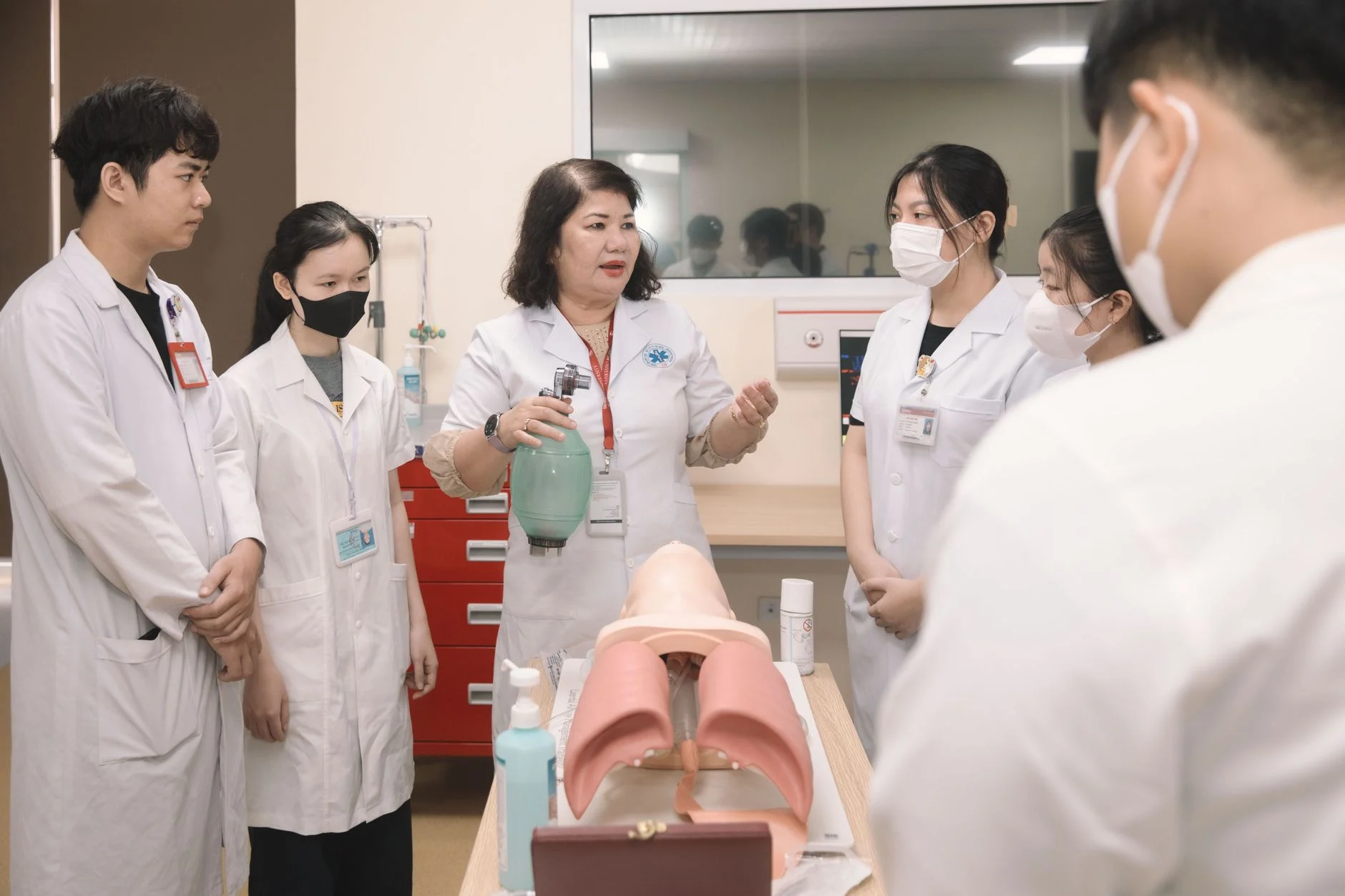
- Field-Based Educators: You travel to clinical sites, infusion centers, or occasionally patient homes. This model is ideal if you thrive on face-to-face interaction and building direct rapport with healthcare providers and patients. You are often the “boots on the ground” for training staff on new administration techniques or providing in-person support for complex drug-device combinations.
- Remote Educators: These roles leverage digital health platforms, video conferencing, and telephonic support. This environment requires high digital literacy and the ability to convey complex clinical information clearly through a screen. It is a suitable path for nurses who prefer a home-based office setting and are comfortable managing a larger, geographically dispersed patient population.
Do You Need a Specific Certification?
While there is no single “pharmaceutical nurse” certification, professional credentials can significantly bolster your candidacy when applying for nurse educator for pharmaceutical company positions. Certifications that demonstrate your commitment to education, such as those that validate your ability to teach complex clinical concepts, are highly valued. While a Master’s degree is often preferred by hiring managers, it is not always a mandatory barrier to entry. Instead, focus on certifications that highlight your expertise in your specific therapeutic area, such as oncology or immunology, as these demonstrate to recruiters that you possess the necessary clinical depth to navigate sophisticated treatment landscapes.
Strategic Career Transitioning
Finding legitimate pharmaceutical nurse educator jobs requires a shift in how you present your clinical history. Industry recruiters are less interested in your ability to manage high-acuity crises and more interested in your ability to translate clinical data into actionable patient education. When updating your resume, focus on these key areas:
- Patient Advocacy: Detail your experience in overcoming barriers to adherence, such as navigating financial assistance programs or managing side effect profiles.
- Communication Skills: Highlight your proficiency in motivational interviewing—a technique that is essential for helping patients take ownership of their treatment plans.
- Regulatory Competency: Showcase your understanding of HIPAA and your ability to maintain professional boundaries, which is critical when working within the strict compliance guidelines of the pharmaceutical industry.
By framing your bedside experience through the lens of education and patient advocacy, you align yourself with the core mission of the industry, positioning yourself as a professional who prioritizes patient safety within a commercial framework.
Next Steps for Your Career
To move into this field, focus on gaining deep clinical expertise in a specific therapeutic area. Review your current state nursing license status and ensure your professional development aligns with the therapeutic area you wish to enter. Begin by identifying companies with portfolios that match your clinical background and monitor their career portals for opening positions.
Frequently Asked Questions
Do I need a Master's degree to be a pharmaceutical nurse educator?
A Master's degree is not universally required for all pharmaceutical nurse educator roles, but it is often preferred for higher-level positions or those involving complex clinical strategy. Many nurses enter the industry with a BSN and significant clinical experience in a relevant therapeutic area.
Is this role considered a sales position?
No, this is a clinical education role. While it exists within a commercial environment, the primary goal is patient education and adherence support. You must maintain a strict boundary between providing clinical information and engaging in promotional sales activities, as defined by industry compliance standards.
How do I find legitimate pharmaceutical nurse educator jobs?
Look for job postings on major pharmaceutical company career portals, specialized life sciences job boards, and professional networking sites. Use search terms like 'Clinical Nurse Educator,' 'Patient Educator,' or 'Field Nurse Educator' to identify roles that align with your clinical background.
What is the difference between a field-based and remote pharmaceutical nurse educator?
A field-based educator travels to clinics or patient homes to provide in-person training and support. A remote educator provides the same educational services through digital platforms, including video calls, phone support, and online portals, allowing them to support a wider patient population without geographic limitations.
How does the PhRMA code affect my daily work?
The PhRMA Code provides the ethical framework for your work, mandating that all interactions with healthcare professionals remain non-promotional. It ensures that your educational content is scientifically accurate, balanced, and focused solely on patient safety, preventing conflicts of interest and maintaining the integrity of your nursing license.
About This Article
Written by the Nurse CE Hub Editorial Team. We base state requirements and certification details on official board of nursing and certifying-organization sources, linked within the article.
Rules and fees can change. Confirm current requirements with your state board of nursing or certifying organization before you renew or apply. This article is general information, not legal or professional advice. How we research our content