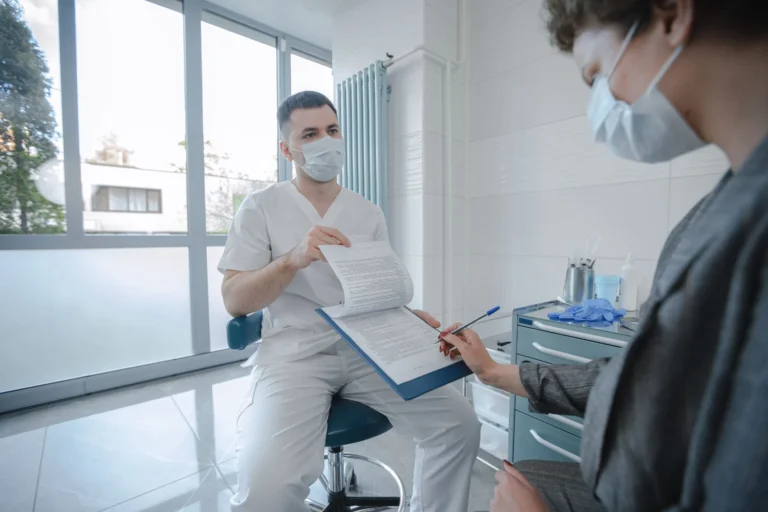
LPN vs LVN

If you are wondering about the core duties, educational paths, and professional responsibilities behind LPN vs LVN, the short answer is that they are functionally identical nursing roles. A licensed practical nurse vs licensed vocational nurse comparison reveals that candidates complete the same core nursing education, sit for the exact same licensing examination, and graduate with the identical foundational scope of clinical practice. The primary difference between the two titles comes down entirely to geography and state legislature naming conventions rather than any difference in clinical training or competence.
The Legal Definition of LPN vs LVN
From a regulatory and legal standpoint, both terms describe an entry-level nursing practitioner who provides direct patient care under the supervision of a registered nurse, physician, or other authorized healthcare provider. The legal definition of LPN vs LVN is established entirely by individual state statutes rather than federal policy. When you examine the actual statutory text across different jurisdictions, the legal parameters for patient assessments, medication administration, and care planning use nearly identical wording, even though one state authorizes the practical title and another authorizes the vocational title.
The role of the Nurse Practice Act is central to this legal framework. Every US state and territory enacts its own Nurse Practice Act, which is the governing legislation that legally defines what nursing activities are permissible within that specific border. Because nursing regulation is decentralized, your legal scope of practice is determined by the board of nursing in the state where you physically practice, not by the specific acronym printed on your initial diploma or licensing certificate.
The Geography of Nomenclature
Why do two identical professions carry different names across the United States? The title you hold depends entirely on where you apply for your initial license. The vast majority of US states and territories utilize the title Licensed Practical Nurse. However, two prominent states—California and Texas—legally designated the role as a Licensed Vocational Nurse under their historical state statutes. When studying LPN and LVN differences across state lines, you will find that a nurse trained in Ohio who moves to California must apply for endorsement under the local title, even though their actual classroom hours, clinical rotations, and fundamental nursing skills remain completely parallel.

This division stems from historical state legislative choices made decades ago when nursing regulation was decentralized. Both titles describe an entry-level nurse who works under the direct supervision of a registered nurse, physician, or other authorized healthcare provider. When filling out job applications or renewing credentials, working nurses should recognize that employers understand these titles represent the exact same level of professional licensure and LVN meaning.
Scope of Practice: What the Law Says
While the education and the required national examination are identical, your day-to-day clinical permissions are strictly governed by your local jurisdiction. Every state and territory operates under a legally binding Nurse Practice Act. This legislation outlines the exact boundaries of what you can and cannot do in a clinical setting. Because of this, daily duties depend entirely on the specific board of nursing governing your current workplace.
For example, medication administration, wound care, and patient assessment parameters can vary significantly as you cross state lines. Some states permit practical nurses to administer specific intravenous medications after completing a designated certification course, while other jurisdictions prohibit it entirely. To ensure you practice safely and legally, always consult your state board’s statutory guidelines rather than relying on general advice from colleagues who trained elsewhere. You can learn more about regulatory documentation standards by reviewing our guide on what are contact hours in nursing.
Comparison Table: Title vs. Jurisdiction vs. Scope
To help clarify how naming conventions and regulations intersect across different jurisdictions, review the following comparison table.

| Professional Title | Primary Jurisdictions | Exam Requirement | Governing Authority |
|---|---|---|---|
| Licensed Practical Nurse (LPN) | 48 states, Washington D.C., and US territories | NCLEX-PN | State Board of Nursing (Nurse Practice Act) |
| Licensed Vocational Nurse (LVN) | California and Texas | NCLEX-PN | State Board of Nursing (Nurse Practice Act) |
NCLEX-PN Universality and Licensure Mobility
Mobility is a major consideration for nurses looking to relocate or travel for work. Both titles share the exact same pathway when it comes to national examination standards. NCLEX-PN universality ensures that every candidate for either credential must successfully pass the National Council Licensure Examination for Practical Nurses, administered by the National Council of State Boards of Nursing (NCSBN) (NCSBN NCLEX Exam Overview). Because the exam is nationally standardized, your core clinical competency is recognized across state lines.
However, relocating across state lines requires navigating state-specific endorsement processes. If you hold a multistate license through the Nurse Licensure Compact (NCSBN Nurse Licensure Compact), you can practice in other compact states without obtaining a new license, provided your primary state of residence is a compact member. If you move from a non-compact state or between single-state jurisdictions, you must apply for licensure by endorsement through the destination state board of nursing. For broader career planning, you might also explore advanced credentials such as those outlined in our overview of CCRN vs PCCN certification choices.
Steps to Verify Your Scope of Practice in a New State
If you are relocating or taking on a contract in a new jurisdiction, verifying your credentials and legal permissions requires a systematic approach. Follow these practical steps to ensure full compliance:

- Identify your target state board of nursing and locate their official online verification portal.
- Review the exact text of the state’s Nurse Practice Act regarding practical or vocational nursing parameters.
- Submit your license verification through the official NCSBN Nursys database if required for endorsement.
- Confirm whether your current multistate compact status extends to your destination workplace.
- Check continuing education and renewal timelines, as renewal periods and mandatory CE topics vary widely by state.
Practical Employment and Resume Considerations
Many working nurses ask whether holding one title over the other impacts their resume marketability or earning potential. Is one title ‘better’ than the other for resumes? Human resources departments and nurse managers across the United States understand that these credentials represent equivalent training and identical educational prerequisites. Listing whichever title appears on your active state license is standard practice. When applying for positions nationwide, employers evaluate your competencies based on your education, clinical background, and active board standing rather than preferring one acronym over another.
When researching salary expectations, avoid relying on outdated or generalized blog statistics. Instead, consult the official Bureau of Labor Statistics Occupational Outlook Handbook for verified, up-to-date wage data broken down by state, metropolitan area, and industry setting. For those exploring advanced career trajectories or looking to compare specialty nursing paths later on, our comparison of FNP vs Adult-Gerontology NP roles offers helpful insights into continuing professional development.
Next Steps for Your Nursing Career
Understanding the nuances of practical and vocational nursing titles ensures you can transition between roles and jurisdictions with confidence. Always verify your local scope of practice directly through official regulatory channels before accepting new clinical responsibilities. Keep your license documentation current, track your continuing education requirements meticulously, and consult your state board of nursing whenever regulatory questions arise.
Frequently Asked Questions
Can I work as an LVN in a state that only recognizes LPNs?
Yes, but you must apply for licensure by endorsement through that state's board of nursing. Once your credentials are verified and your new license is issued, you will practice under the title recognized by that state, such as LPN.
Does the NCLEX-PN change if I test in California or Texas?
No. The NCLEX-PN is a national standardized examination administered by the NCSBN. The test content, question format, and passing standards are identical regardless of whether you plan to practice as an LPN or an LVN.
How do I change my license title if I move to another state?
You do not manually convert or change your existing license title. Instead, you apply for licensure by endorsement through the board of nursing in your new state of residence, where you will be issued a license under that state's designated title.
Are LPNs and LVNs paid differently?
Compensation is determined by geographic location, facility type, years of experience, and local healthcare demand rather than the specific letters in your professional title. For verified wage statistics, consult the Bureau of Labor Statistics Occupational Outlook Handbook.
How do I find my state's specific Nurse Practice Act?
You can find your state's Nurse Practice Act by visiting the official website of your state's Board of Nursing. The board publishes all current statutes, administrative rules, and scope-of-practice definitions directly online.
About This Article
Written by the Nurse CE Hub Editorial Team. We base state requirements and certification details on official board of nursing and certifying-organization sources, linked within the article.
Rules and fees can change. Confirm current requirements with your state board of nursing or certifying organization before you renew or apply. This article is general information, not legal or professional advice. How we research our content