How to Become a Utilization Review Nurse

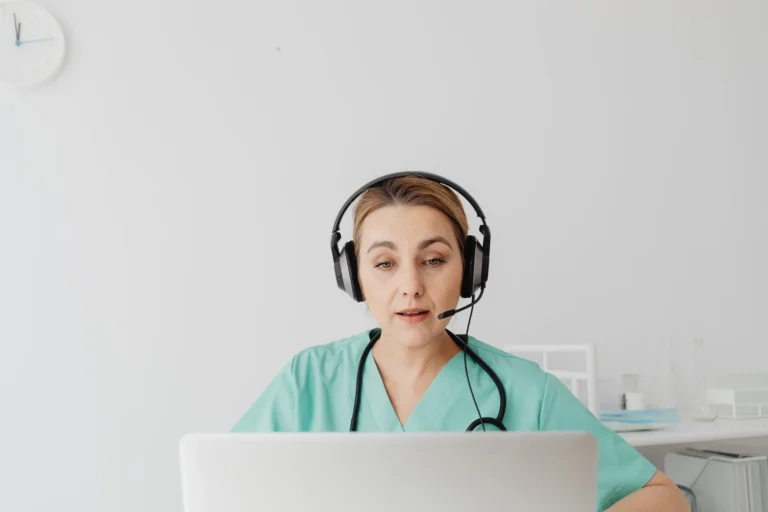
A utilization review nurse is a registered nurse who evaluates the medical necessity of healthcare services. The core function of this role is to assess whether the care provided or requested aligns with evidence-based clinical criteria, as noted by the National Council of State Boards of Nursing (NCSBN). By reviewing patient medical records, you ensure that hospital admissions, procedures, and treatments are appropriate, timely, and aligned with insurance coverage guidelines. Unlike bedside nursing, your primary focus is on documentation analysis, data interpretation, and communication with insurance payers or internal hospital departments to authorize or deny coverage for services.
What does a utilization review nurse do?
The daily tasks of a utilization management nurse are rooted in clinical data analysis. You are responsible for determining if a patient’s clinical presentation justifies their current level of care, such as distinguishing between observation status and inpatient admission. This requires navigating complex Electronic Medical Records (EMR) to extract vital clinical indicators, including laboratory results, imaging reports, and physician notes.
You will frequently apply standardized clinical decision-support tools. These platforms, such as MCG or InterQual, provide the framework for your determinations, ensuring that decisions are objective and consistent. Because this role often involves remote or hybrid work environments, you must be comfortable with precise data entry and independent problem-solving. Your documentation serves as the legal and financial record for the hospital, making accuracy and clinical knowledge essential components of the job. Note that while remote work is common, your practice must still comply with the nurse practice acts of the state where the patient is located, as licensing requirements vary by jurisdiction.
The Certification Path: Understanding utilization review nurse certification
While certification is not always a mandatory requirement for entry-level positions, obtaining a formal credential can significantly enhance your professional standing and demonstrate mastery of the field. The industry recognizes two primary certification pathways for those in this specialty, managed by the Commission for Case Manager Certification (CCMC) and the American Case Management Association (ACMA).
| Credential | Issuing Body | Primary Focus |
|---|---|---|
| CCM (Certified Case Manager) | CCMC | Broad case management and utilization review standards. |
| ACM (Accredited Case Manager) | ACMA | Health system-based practice and utilization management. |
The CCM typically requires a specific combination of clinical experience and educational prerequisites. The ACM is tailored toward nurses working within health systems, focusing on the intersection of clinical care and utilization management. Before pursuing certification, review the current eligibility requirements on the official websites of these organizations, as they periodically update their practice hour and educational prerequisites.
Skills Checklist: What Employers Look For
When transitioning into a utilization management role, your resume should highlight technical and clinical skills that demonstrate your readiness for a non-bedside environment. Employers prioritize candidates who show proficiency in documentation and a deep understanding of clinical guidelines.

- EMR Proficiency: Highlight your experience with systems like Epic or Cerner, specifically your ability to extract clinical data efficiently.
- Clinical Guideline Familiarity: If you have used tools like MCG or InterQual in your bedside practice, emphasize this. These are the industry standards for determining medical necessity.
- Documentation Precision: Showcase your ability to write concise, evidence-based notes that support clinical decisions.
- Regulatory Knowledge: Understanding the basics of Medicare and Medicaid coverage guidelines is a significant advantage.
UR vs. Bedside Case Management
It is common to confuse utilization review with traditional case management. While both roles involve patient advocacy and medical record review, their day-to-day functions differ significantly in scope and setting.
| Feature | Utilization Review | Bedside Case Management |
|---|---|---|
| Primary Goal | Medical necessity authorization | Discharge planning and resource coordination |
| Patient Interaction | Minimal to none | High (daily patient/family contact) |
| Work Environment | Often remote or office-based | Hospital unit-based |
Practical Steps for Your Career Transition
To move into this role, start by seeking opportunities at your current facility to shadow a utilization manager or participate in unit-based committees that review clinical documentation. If you are interested in broader career development, you may also explore resources on what is a nurse practitioner to see if your career goals align with advanced practice or administrative roles. Focus on building a strong foundation in clinical documentation now, as this is the single most important skill for a successful transition into the field. Ensure your resume emphasizes your ability to synthesize clinical data into objective, defensible documentation.
If you are considering a different clinical path, you might also research how to become an operating room nurse to compare various nursing specialties.
Frequently Asked Questions
Do I need a BSN to be a utilization management nurse?
Many employers prefer a BSN, but it is not always a universal requirement. Some organizations hire RNs with an Associate Degree in Nursing (ADN) if they possess strong clinical experience and proficiency in documentation. However, holding a BSN can make you more competitive in the job market.
What is the difference between UR and case management?
Utilization review focuses on determining the medical necessity of services to ensure insurance coverage and appropriate resource use. In contrast, bedside case management focuses on coordinating patient care, discharge planning, and connecting patients with community resources. UR roles often involve less direct patient interaction.
Is prior experience with MCG/InterQual mandatory?
While prior experience with clinical decision-support tools like MCG or InterQual is highly valued by employers, it is rarely mandatory for entry-level roles. Many employers provide training on these systems as part of the onboarding process. Demonstrating a strong grasp of clinical documentation is often more important.
Is certification required for entry-level roles?
Certification is generally not required for entry-level utilization review positions. However, obtaining a credential such as the CCM or ACM can demonstrate your commitment to the specialty and may help you stand out during the hiring process once you have met the necessary practice hour requirements.
How do I highlight my bedside documentation skills for a UR resume?
Focus on your ability to record precise, objective clinical data that supports the patient's level of care. Highlight specific instances where your documentation helped justify a procedure, admission, or resource utilization, and emphasize your familiarity with EMR systems and standardized clinical protocols.
About This Article
Written by the Nurse CE Hub Editorial Team. We base state requirements and certification details on official board of nursing and certifying-organization sources, linked within the article.
Rules and fees can change. Confirm current requirements with your state board of nursing or certifying organization before you renew or apply. This article is general information, not legal or professional advice. How we research our content