
Chest Tube Water Seal: How It Works and Nursing Care
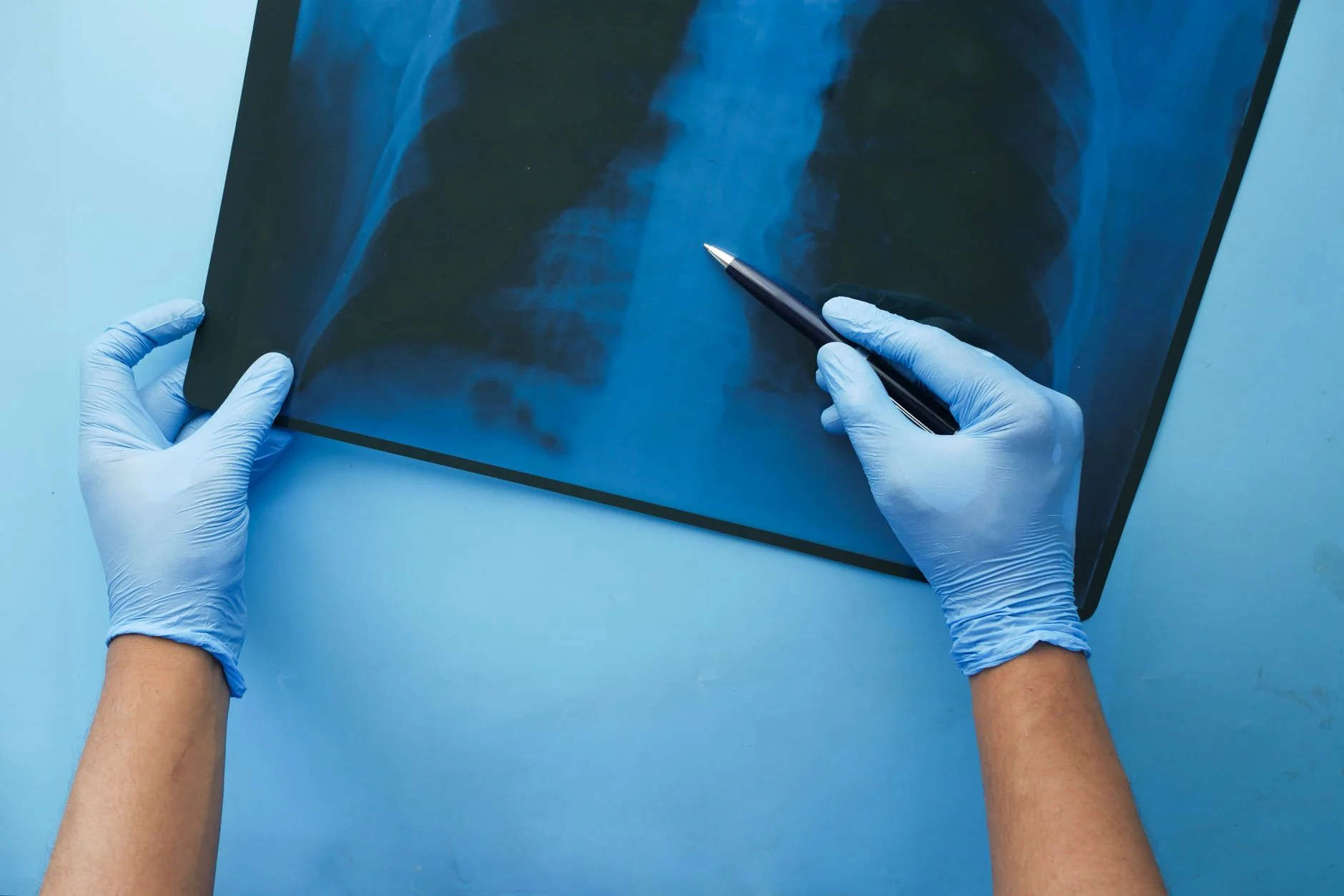
The chest tube water seal functions as a one-way valve, a critical component of thoracic drainage that allows air or fluid to exit the pleural space while preventing atmospheric air from entering. When a patient exhales or coughs, intrathoracic pressure increases, forcing air through the drainage tubing and into the water-seal chamber. Because the distal end of the tube is submerged in sterile water, the air is trapped in the chamber and eventually vented through the system, while the water prevents air from traveling back toward the patient’s chest. This mechanism is vital for re-expanding the lung and maintaining the negative pressure required for normal respiratory function.
The water level in this chamber is essential for safety. It must be maintained at the manufacturer-specified level, typically the 2 cm mark, to ensure the seal remains intact. If the water level is too low, the seal may be broken, potentially leading to a pneumothorax. Conversely, if the level is too high, the patient must exert more effort to overcome the hydrostatic pressure, which can hinder lung re-expansion. Regular monitoring of this level is a standard component of chest tube drainage system nursing care.
Chest tube drainage system nursing care
Providing high-quality chest tube drainage system nursing care requires a focus on system integrity, patient assessment, and evidence-based practice. Current clinical standards, such as those provided by thoracic surgery guidelines, emphasize that routine clamping of chest tubes is contraindicated. Clamping traps air or fluid within the pleural space, which can rapidly progress to a life-threatening tension pneumothorax. Similarly, the outdated practice of “stripping” or “milking” the tubing is discouraged, as these actions can generate excessive negative pressure that may damage delicate pleural tissue.

Your daily assessment should be structured and consistent. Begin by inspecting the insertion site for signs of infection, subcutaneous emphysema, or dislodgement. Ensure that the tubing is free of kinks, dependent loops, or external pressure, as these obstructions impede drainage. The drainage unit must always remain in an upright position and below the level of the patient’s chest to facilitate gravity-dependent flow. If you are caring for a patient who is transitioning to a chest tube to water seal setting, ensure the suction port is vented to the atmosphere as per provider orders, allowing the system to operate via gravity alone.
Daily Assessment Checklist
- Verify the system remains upright and below the level of the patient’s chest.
- Inspect the insertion site dressing for integrity and signs of infection.
- Check the water-seal chamber for the correct 2 cm fluid level.
- Assess the tubing for kinks, loops, or loose connections.
- Document the color, consistency, and volume of drainage at the end of every shift.
- Monitor for the presence of tidaling or air leaks during respiration.
Tidaling vs. bubbling: What to look for
Distinguishing between normal respiratory movement and abnormal system function is a core bedside skill. Tidaling is the expected fluctuation of the water level in the seal chamber that corresponds with the patient’s respiratory cycle. As the patient inhales, negative pressure increases, causing the water to rise; as the patient exhales, the water level falls. If the patient is receiving positive pressure ventilation, this pattern may be reversed. The absence of tidaling often indicates that the lung has fully re-expanded or that the system is obstructed.

Bubbling in the water-seal chamber requires careful clinical interpretation. Intermittent bubbling, particularly during expiration or coughing, is often expected in patients with a pneumothorax as trapped air is evacuated. However, continuous, vigorous bubbling indicates a significant air leak. To differentiate between a leak originating from the patient versus one in the drainage system, briefly check the connections. If the bubbling persists after ensuring all connections are secure, the leak is likely within the patient’s pleural space.
Comparison: Normal vs. Abnormal Findings
| Finding | Clinical Interpretation |
|---|---|
| Gentle tidaling with respiration | Normal; system is patent. |
| No tidaling | Check for kinks; lung may be fully re-expanded. |
| Intermittent bubbling | Expected if a pneumothorax is present. |
| Continuous, vigorous bubbling | Indicates an active, significant air leak. |
Troubleshooting common chest tube issues
Effective troubleshooting relies on understanding the physics of the system. If the chest tube becomes disconnected from the drainage unit, the immediate priority is to re-establish the seal. Many clinicians place the distal end of the tube into a container of sterile water to create an emergency seal, which allows air to escape while preventing atmospheric air from entering the pleural space. Avoid clamping the tube unless specifically ordered by a provider, as this carries significant risks.

If you notice a sudden change in drainage, such as a sudden cessation or a rapid, bright red increase, notify the provider immediately. This may signal an obstruction or an active hemorrhage. When documenting these findings, be specific about the nature of the air leak, the extent of tidaling, and the patient’s respiratory effort. For nurses looking to refine their clinical knowledge, resources on ambulatory care nursing certification or general nursing career resources can provide broader context for managing complex patient care scenarios.
Clinical next steps
Maintaining the integrity of the chest tube water seal requires vigilance and adherence to evidence-based protocols. By keeping the drainage unit upright, assessing for tidaling, and avoiding unnecessary interventions like routine clamping, you ensure patient safety and promote healing. Always document your findings clearly and escalate concerns to the medical team when the system fails to function as expected. For further professional development, consider reviewing free nursing CEUs to stay current on thoracic care standards and other critical clinical practices.
Frequently Asked Questions
What should I do if the chest tube becomes disconnected?
If the tube disconnects from the drainage unit, the priority is to prevent atmospheric air from entering the pleural space. Place the distal end of the chest tube into a container of sterile water to create an immediate water seal. This allows air to escape the chest while preventing air from being sucked back in. Notify the provider immediately to assess the patient and the system.
Why does the water level fluctuate with breathing?
The water level fluctuates, a process called tidaling, due to changes in intrathoracic pressure during the respiratory cycle. As the patient inhales, negative pressure in the chest increases, pulling water up the tube. As they exhale, the pressure decreases, allowing the water to drop. This movement confirms that the drainage system is patent and connected to the pleural space.
Is bubbling in the water-seal chamber always bad?
Not necessarily. Intermittent bubbling is expected in patients with a pneumothorax as air is evacuated from the pleural space. However, continuous, vigorous bubbling suggests a significant air leak. You must determine if the leak is coming from the patient's pleural space or a loose connection in the drainage system by ensuring all connections are secure.
What is the significance of the water level in the chamber?
The water level acts as a physical barrier to prevent air from re-entering the pleural space. It must be maintained at the manufacturer-specified level (typically 2 cm) to ensure the system functions as a one-way valve. If the level is too low, the seal may be broken; if it is too high, it increases the work of breathing for the patient.
How do I differentiate between an air leak in the system and an air leak in the patient?
If continuous bubbling occurs, check all system connections to ensure they are airtight. If the connections are secure and the bubbling persists, the air leak is likely originating from the patient's pleural space. This finding should be documented and reported to the provider for further evaluation.
About This Article
Written by the Nurse CE Hub Editorial Team. We base state requirements and certification details on official board of nursing and certifying-organization sources, linked within the article.
Rules and fees can change. Confirm current requirements with your state board of nursing or certifying organization before you renew or apply. This article is general information, not legal or professional advice. How we research our content