HEDIS Nurse Jobs Guide
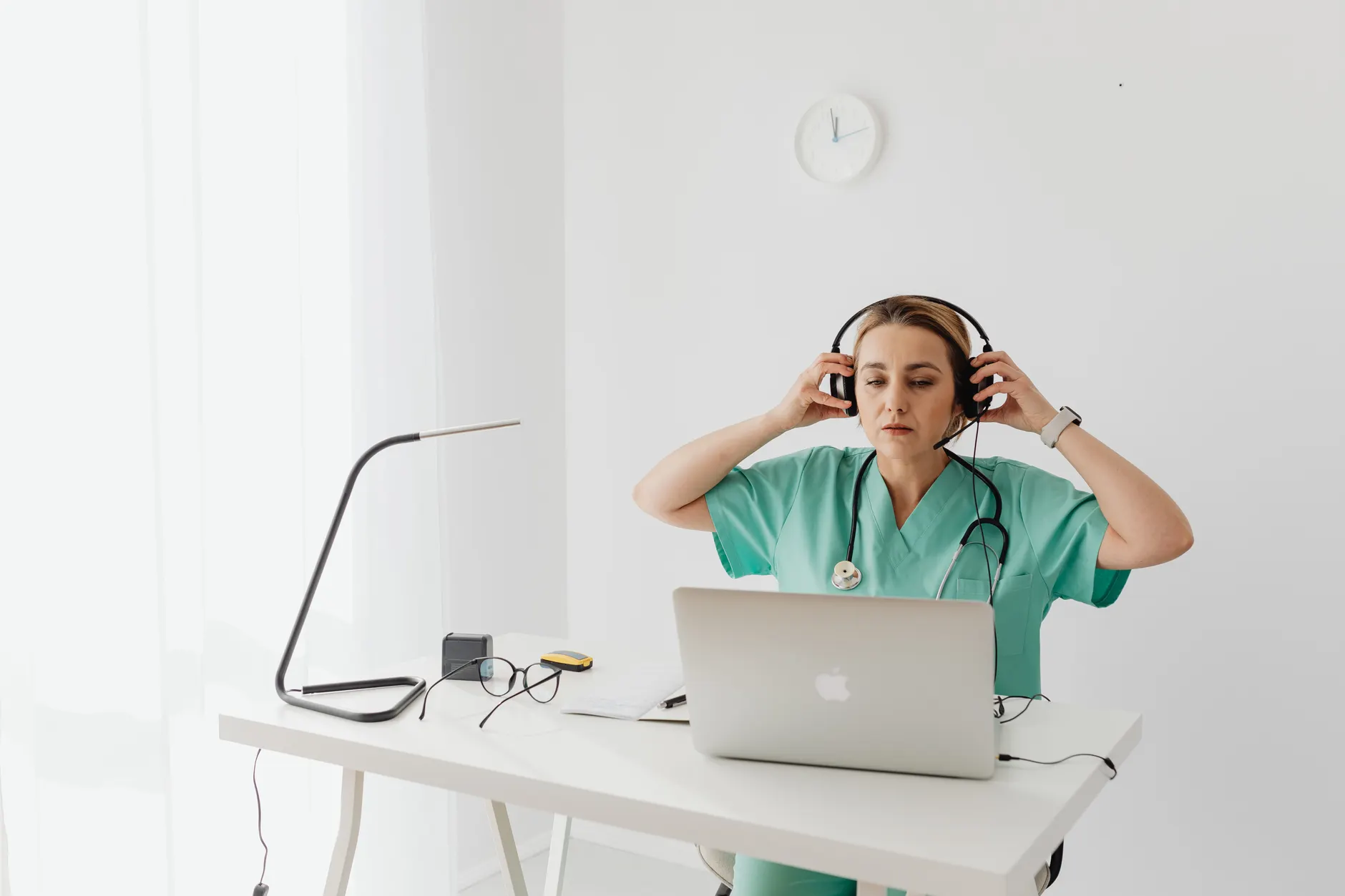
Remote HEDIS nurse jobs involve reviewing electronic health records and clinical documentation to measure healthcare quality against specific standards set by the National Committee for Quality Assurance (NCQA). If you are an RN, LPN/LVN, or APRN looking to transition away from bedside clinical care, these roles offer remote flexibility, administrative focus, and steady seasonal demand. Understanding how the annual quality cycle operates, what technical hardware is required, and how to position your clinical background is essential for securing a position.
For nurses exploring alternative career paths, researching specialized options such as a utilization review nurse resume can also provide helpful perspective on framing acute or ambulatory experience for remote administrative roles.
What Does a HEDIS Nurse Do Daily?
A HEDIS nurse evaluates patient medical records to verify that preventive screenings, chronic disease management, and follow-up care meet established quality measures. Your daily tasks center on chart abstraction, which requires navigating electronic health record systems, locating specific clinical data points, and entering findings accurately into quality databases.
Unlike direct patient care, your interaction is primarily analytical and administrative. You verify numerator and denominator compliance for measures ranging from diabetes HbA1c screenings to childhood immunizations. Success in these duties relies on meticulous attention to detail, strong typing speed, and a solid working knowledge of medical terminology and diagnostic coding.
The Seasonal HEDIS Timeline: What to Expect
The healthcare quality industry operates on a distinct annual rhythm that directly shapes employment opportunities. Understanding this timeline helps you plan your job search effectively.

The peak abstraction window runs annually from January through May. During these months, health plans work aggressively to abstract records for the prior measurement year before final data submission deadlines. Consequently, the vast majority of seasonal contracts and temporary staffing openings are posted between November and January. Conversely, year-round quality roles focus on ongoing quality improvement, provider education, and data validation during the summer and autumn months.
| Feature | Seasonal HEDIS Contracts | Permanent Quality Roles |
|---|---|---|
| Timeline | January through May peak window | Year-round employment |
| Hiring Surge | Late autumn (November to January) | Throughout the year as vacancies occur |
| Schedule | Often full-time temporary; hourly pay | Salaried with standard benefits packages |
| Primary Focus | High-volume chart abstraction and data entry | Quality improvement initiatives, audits, and oversight |
Landing Remote HEDIS Nurse Jobs With No Experience
Securing a position as a hedis nurse no experience applicant requires strategic resume building that highlights transferable clinical skills rather than traditional chart auditing history. Healthcare organizations routinely hire bedside nurses for seasonal projects because clinical familiarity with chart structures and lab values is vital.
To make your application competitive, tailor your resume to emphasize electronic health record proficiency, data entry accuracy, auditing experience from committee work or peer reviews, and autonomous time management. Nurses transitioning from acute hospital settings or ambulatory clinics should explicitly detail their familiarity with navigating complex patient histories.
HEDIS Abstraction Training and Educational Pathways
While many employers provide onboarding and software training during the initial weeks of a contract, completing independent education can strengthen your resume. The NCQA offers introductory educational programs, such as the Intro to HEDIS course, which provides foundational knowledge on measure definitions and reporting guidelines.

Familiarizing yourself with electronic clinical data systems and basic quality metric principles before applying demonstrates proactive readiness to hiring managers. Additionally, reviewing broader career structures in related administrative specialties can help clarify your long-term professional trajectory, much like reviewing a registered nurse career guide.
Technical and Home Office Requirements
Working in remote hedis nurse jobs requires strict adherence to home office and cybersecurity standards. Because you access protected health information from home, employers enforce rigorous technical mandates to maintain HIPAA compliance.
Standard home office setups for remote chart abstraction typically require:
- A secure, high-speed wired internet connection (Wi-Fi is often restricted due to security protocols).
- A dedicated, private workspace with a locking door to prevent unauthorized viewing of patient records.
- A desktop or laptop meeting specific RAM and processor thresholds mandated by the health plan’s IT department.
- Dual-monitor displays to streamline the simultaneous viewing of clinical records and data entry portals.
- Approved multi-factor authentication software and secure virtual private network (VPN) access.
Conclusion
Transitioning into a remote healthcare quality role offers an opportunity to leverage your clinical background in an administrative setting. By understanding the annual abstraction timeline, preparing your resume to highlight transferable documentation skills, and meeting home-office technical standards, you can position yourself effectively for seasonal or permanent quality positions.
Frequently Asked Questions
Do I need prior chart abstraction experience to get hired as a HEDIS nurse?
No, prior chart abstraction experience is not strictly required. Many healthcare organizations hire clinical nurses for seasonal contracts and provide onboarding training, provided you possess strong electronic health record proficiency and clinical documentation experience.
What qualifications do companies look for in remote HEDIS nurses?
Employers typically look for an active, unencumbered RN, LPN/LVN, or APRN license, strong computer and navigation skills, attention to detail, and professional clinical experience that demonstrates familiarity with reading complex medical records.
When does the hiring season for HEDIS nurses typically peak?
Hiring for seasonal HEDIS abstraction projects peaks between late autumn, specifically November through January, in preparation for the intensive January to May review window.
Is formal hedis abstraction training mandatory before applying?
Formal abstraction training is not always mandatory for entry-level seasonal roles since employers conduct internal training, but completing introductory educational courses can strengthen your qualifications.
What computer equipment is needed for remote HEDIS nurse roles?
Remote HEDIS positions generally require a secure wired internet connection, a dedicated private workspace, a compliant computer system, and a dual-monitor display setup to efficiently review clinical charts and input data.
About This Article
Written by the Nurse CE Hub Editorial Team. We base state requirements and certification details on official board of nursing and certifying-organization sources, linked within the article.
Rules and fees can change. Confirm current requirements with your state board of nursing or certifying organization before you renew or apply. This article is general information, not legal or professional advice. How we research our content