Nursing Interview Preparation

Effective nursing interview preparation starts long before you walk into a hospital conference room or log onto a video platform. Hiring managers in acute care, outpatient clinics, and specialty units evaluate whether you understand their specific patient population, clinical acuity, and organizational values. Begin by reviewing the health system’s mission, magnet designation status, and annual quality reports. Knowing whether a facility prioritizes Magnet certification, pathways to clinical advancement, or specific community health initiatives helps you tailor your background to their direct operational priorities.
Next, research the exact unit specialty you are applying for. Intensive care units, medical-surgical floors, emergency departments, and procedural areas each operate under distinct workflows and nurse-to-patient ratios. Review common patient diagnoses for that unit, standard medication management protocols, and recent clinical updates. When you understand the operational pressures of the floor—such as high turnover rates, frequent patient discharges, or rapid admission cycles—you can speak directly to how your organizational skills and clinical judgment will support the existing team.
Finally, understand who will be interviewing you. Modern healthcare recruitment frequently utilizes a multi-tiered approach, combining initial screening rounds with human resources, peer interview panels consisting of staff nurses, and final evaluations by the nurse manager or director. Peer panels look closely at cultural fit, teamwork dynamics, and daily collaboration. Preparing specific examples of how you support float nurses, share heavy workloads, and communicate during shift change builds immediate credibility with future colleagues.
Mastering the STAR Method for Clinical Scenarios
Behavioral interview questions require concrete examples of past performance rather than general statements of philosophy. The STAR method—Situation, Task, Action, Result—provides a reliable framework for organizing your clinical narratives. When reviewing nurse interview preparation tips, master this structure to ensure your responses remain concise, professional, and entirely focused on patient safety and accountability.
Start by outlining the Situation with brief, relevant context, such as a challenging shift on a telemetry floor. Define the specific Task you needed to accomplish, such as managing an unstable patient while admitting a direct transfer. Detail your clinical Action clearly, emphasizing evidence-based interventions, effective communication with the interprofessional team, and adherence to hospital policy. Conclude with the measurable Result, highlighting patient safety outcomes, positive feedback from charge nurses, or process improvements implemented afterward.
When addressing high-stakes clinical events, such as near-miss medication errors or interprofessional conflicts, keep your focus on accountability and systemic learning rather than assigning blame. Hiring teams respect candidates who demonstrate mature self-reflection, transparent incident reporting, and a commitment to root-cause analysis. Reviewing your career history for adaptable stories helps you build a mental inventory of scenarios you can readily adapt to various behavioral prompts.
High-Yield Nursing Interview Questions and Structured Answer Examples
Anticipating common nursing interview questions allows you to deliver polished, thoughtful responses without sounding overly rehearsed. Interviewers frequently evaluate your clinical reasoning, prioritization skills under pressure, and approach to professional disagreements. Reviewing robust nursing interview answer examples helps you understand how to structure your real-world experiences effectively. The table below contrasts weak, unstructured responses with strong, structured clinical answers.
| Interview Question Focus | Weak Unstructured Response | Strong STAR Method Response |
|---|---|---|
| Heavy Workload Prioritization | “I just run around as fast as I can and try to do everything at once until my shift is over.” | “When faced with simultaneous admissions and unstable patients, I reassess acuity, delegate appropriate tasks to unlicensed assistive personnel, communicate early with the charge nurse, and prioritize airway, breathing, and circulation.” |
| Interprofessional Conflict | “I told the doctor they were wrong and walked away because they wouldn’t listen to me.” | “When a physician questioned a medication order discrepancy, I paused to review the chart, verified the original parameters, calmly presented my clinical concern using objective vital signs, and requested a direct provider re-evaluation.” |
| Handling a Near-Miss Error | “Nothing bad ever happened, so I didn’t think it was necessary to fill out an incident report.” | “During a busy medication pass, I noticed an incorrect dose pulled from the automated dispensing cabinet before administration, immediately stopped the process, notified the pharmacy, and completed an internal safety report to prevent future recurrence.” |
Beyond clinical scenarios, be prepared for questions regarding your career trajectory and professional development. For example, if you are expanding your clinical credentials, connecting those studies to your daily bedside practice demonstrates genuine dedication. Many nurses also explore broader professional milestones, such as pursuing specialty certifications or maintaining continuing education requirements, which you can read more about through dedicated nursing career resources.
Virtual and Panel Interview Essentials
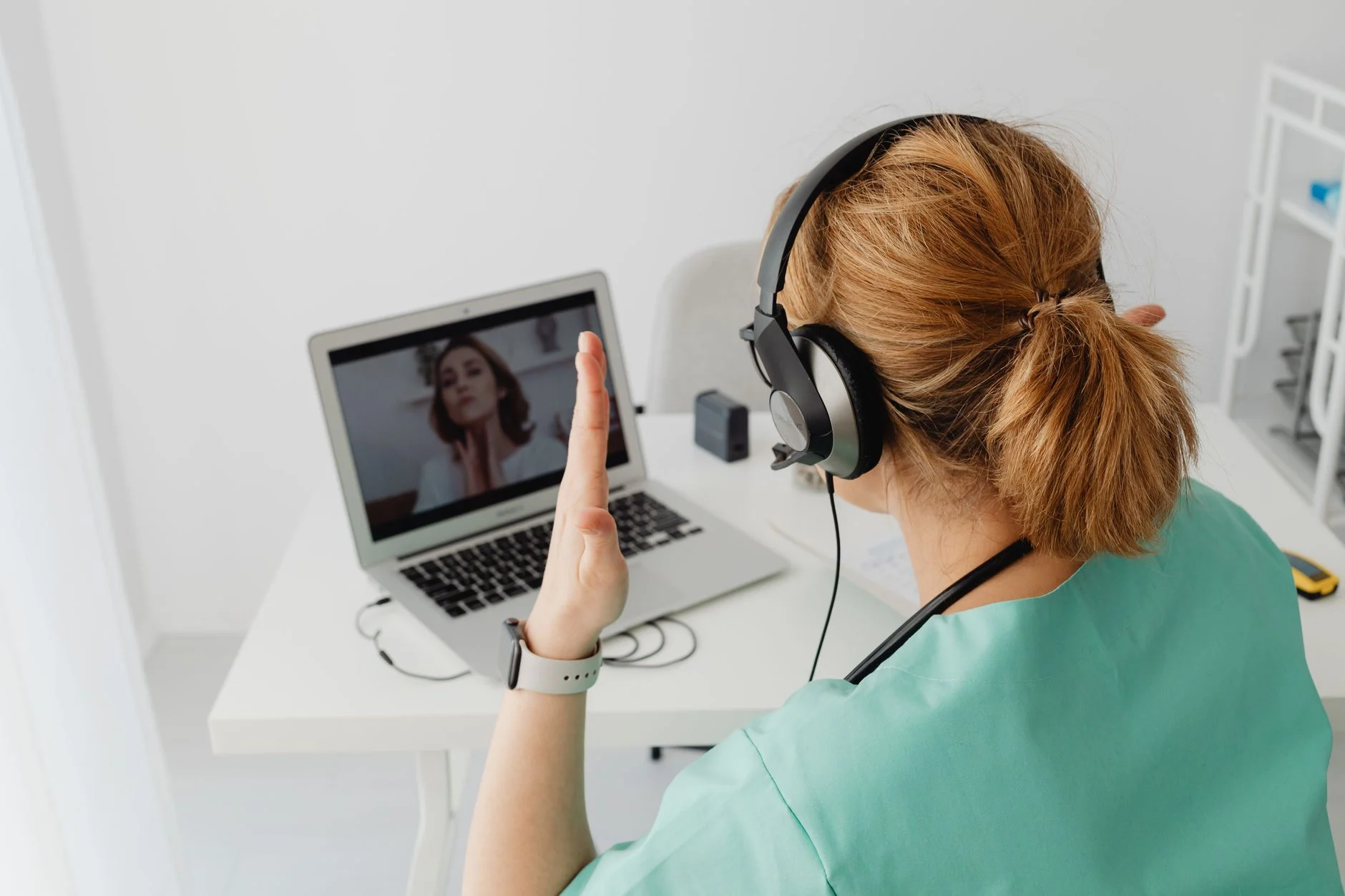
Virtual video interviews and multi-person peer panels require specific technical and professional preparation. Healthcare networks frequently utilize platforms like Microsoft Teams or HireVue for initial or remote screening rounds. Test your internet connection, camera angle, and microphone at least twenty-four hours before the scheduled meeting. Position your camera at eye level, ensure clean and professional lighting, and select a quiet, neutral background free from household distractions.
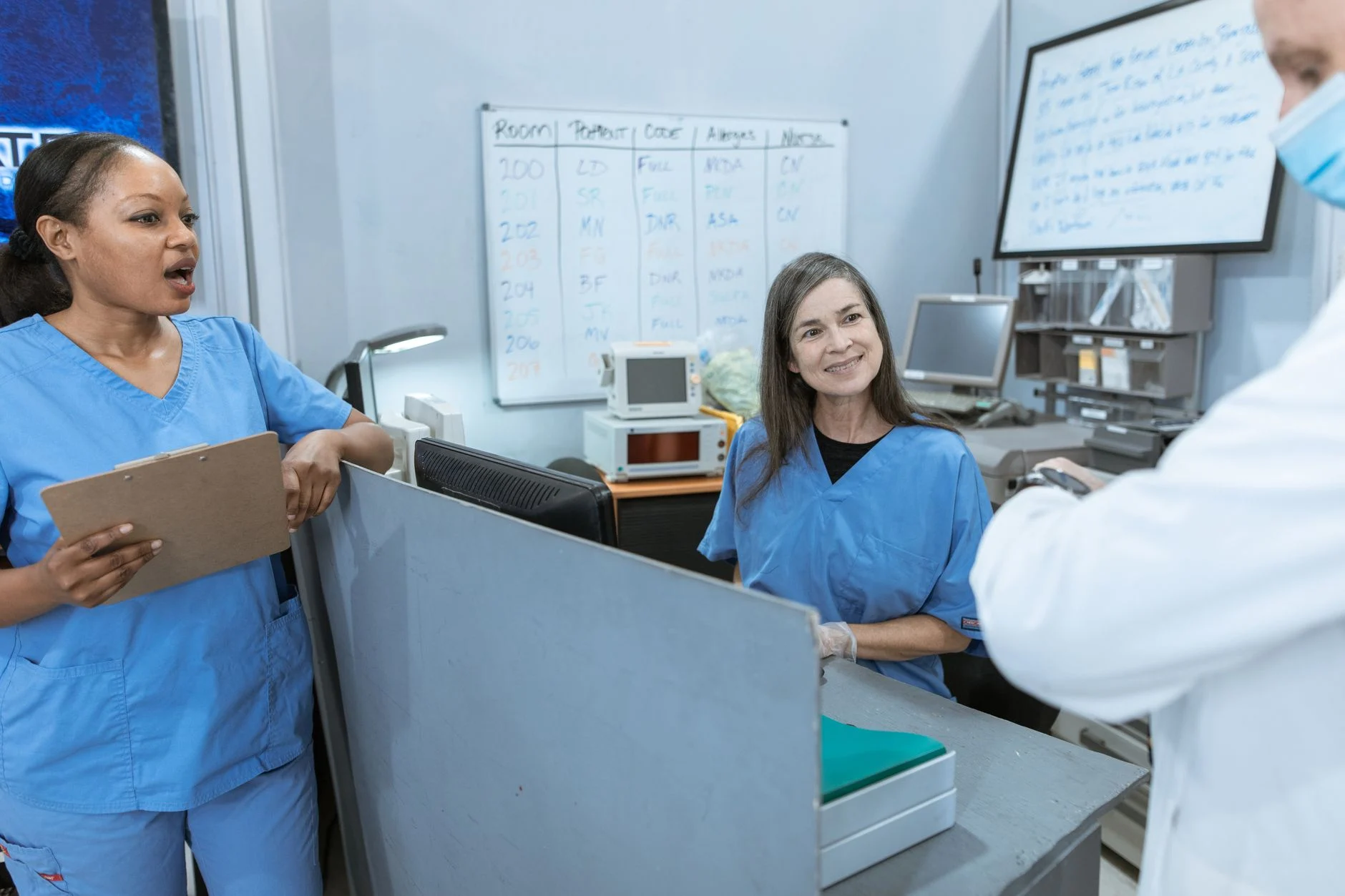
Professional presentation matters just as much in a virtual setting as it does in person. Wear standard professional attire, maintain direct eye contact with the camera lens rather than the screen when speaking, and keep a paper copy of your resume and prepared talking points nearby for quick reference. When facing a panel of multiple interviewers, address your answers primarily to the person who asked the question, but make brief eye contact with other panel members to build rapport across the virtual room.
Panel interviews often include input from staff nurses, clinical educators, and unit managers simultaneously. Listen actively to every question, acknowledge each panelist by name if introduced, and maintain an even, collaborative tone. Demonstrating respect for non-nursing and nursing colleagues alike reassures the hiring team that you will integrate smoothly into their existing unit culture.
Strategic Questions to Ask Your Interviewer
At the conclusion of the interview, you will be invited to ask questions. This is a critical opportunity to evaluate whether the unit aligns with your professional expectations and safety standards. Avoid asking questions easily answered by a quick review of the hospital website; instead, ask substantive questions about unit culture, clinical orientation, and workload support.
Consider asking practical questions that reveal how the unit actually functions during high-census periods. Useful inquiries include:

- What does the standard orientation pathway look like for a nurse transitioning into this specific specialty unit, and how are preceptors assigned?
- How does the unit manage shift-to-shift staffing adjustments during periods of high census or unexpected nurse absenteeism?
- What ongoing educational support, mentorship programs, or clinical ladder opportunities are available for nurses on this floor?
- How are quality improvement initiatives and bedside safety concerns communicated and addressed by unit leadership?
Asking these targeted questions signals to the hiring manager that you are deeply invested in safe patient care, structured onboarding, and long-term professional growth within their healthcare organization.
Navigating Unit Culture and High-Workload Questions
Interviewers often ask about your ability to handle high-acuity environments or heavy workloads to assess your stress resilience and organizational capacity. When you encounter these nursing interview questions, avoid generic responses about working hard. Instead, focus on your systematic approach to prioritization. Explain how you utilize tools like brain sheets, bedside shift reports, and early communication with the charge nurse to manage patient flow. If asked about a difficult unit culture, emphasize your commitment to professional communication, active listening, and your role in fostering a supportive team environment regardless of the surrounding stress.
Example Answer for High-Volume Shifts
“When faced with a high-census shift, I prioritize by acuity and safety requirements. I perform a quick initial assessment of all my patients to identify those at highest risk for instability. I then communicate my plan with the charge nurse and delegate tasks to unlicensed assistive personnel when appropriate, such as vitals or hygiene, while I focus on medication administration and complex treatments. By maintaining open lines of communication with the interprofessional team, I ensure that patient needs are met efficiently without compromising safety protocols.”
Clinical and Safety-Focused Behavioral Narratives
Effective nursing interview preparation requires you to have a library of stories that demonstrate your dedication to patient safety. When discussing a clinical mistake or a near-miss, the goal is not to prove you are perfect, but to demonstrate your capacity for accountability and systemic improvement. Use the STAR method to frame your story: describe the Situation, the specific Task you were performing, the Action you took to mitigate harm, and the Result, which should always include reporting the event through the proper hospital channels and participating in a root-cause analysis.

This structured approach to clinical narratives is a cornerstone of professional nursing interview answer examples. It shifts the focus from the error itself to the learning process. By showing that you understand hospital safety policies and the importance of transparent reporting, you signal to the hiring manager that you are a safe, reliable clinician who prioritizes patient outcomes above personal ego.
Pre-Interview Checklist for Success
Before your interview day, use this checklist to ensure you are fully prepared to present your best self:
- Technical Check: If your interview is virtual, test your camera, microphone, and internet connection. Ensure your background is neutral and your lighting is adequate.
- Professional Attire: Choose clean, professional clothing that reflects the standard of the facility you are applying to.
- Documentation: Have a copy of your resume, a list of your clinical certifications, and your prepared talking points within reach.
- Clinical Knowledge: Review the most common diagnoses and medication protocols for the unit you are applying to.
- Questions for the Team: Prepare at least three insightful questions regarding unit orientation, staffing support, and professional development.
By following these nurse interview preparation tips, you move beyond basic job-seeking advice and demonstrate the clinical maturity and organizational awareness that hiring managers value. Whether you are interviewing in person or via a virtual platform, your ability to articulate your experience through a structured, safety-first lens will distinguish you as a top-tier candidate.
Next Steps for Your Nursing Career
Securing your next clinical position requires ongoing preparation, honest self-assessment, and a clear understanding of your professional goals. Practice your response frameworks out loud, refine your clinical examples to highlight patient advocacy, and ensure your documentation reflects your commitment to safety. Reviewing credentialing standards and exploring ongoing professional development opportunities can also guide your long-term trajectory; you can examine detailed guidelines on maintaining clinical compliance through resources covering how to get nursing CEUs. Approach each interview with confidence, clinical competence, and a clear focus on collaborative patient care.
Frequently Asked Questions
How should I structure my answers using the STAR method for clinical nursing interviews?
The STAR method structures your response by outlining the Situation, Task, Action, and Result. Begin by giving brief context about a clinical setting, explain the specific nursing challenge you faced, detail your evidence-based actions focused on patient safety, and conclude with the positive measurable outcome.
How should I explain a past clinical mistake or near-miss during a nursing interview?
Focus heavily on accountability, transparency, and system learning rather than assigning blame. Explain how you immediately stopped the process, notified the appropriate interprofessional team members, completed an internal safety report, and what systemic changes you adopted to prevent recurrence.
What is the best way to prepare for a virtual or video nursing interview?
Test your technology, camera, and microphone at least 24 hours in advance. Choose a quiet, neutral background, wear professional attire, position your camera at eye level, and look directly at the camera lens when speaking to maintain natural eye contact with the interview panel.
What are the most common questions asked in a hospital unit interview?
Hospital interviewers frequently ask about how you handle heavy workloads, prioritize patient care during high-acuity shifts, resolve conflicts with interprofessional colleagues, and manage unexpected near-miss medication errors or urgent safety concerns.
What strategic questions should I ask the nurse manager at the end of an interview?
Ask substantive questions about unit culture, standard orientation length, preceptor pairing models, workload support during high-census periods, and opportunities for ongoing professional development and clinical advancement within the facility.
About This Article
Written by the Nurse CE Hub Editorial Team. We base state requirements and certification details on official board of nursing and certifying-organization sources, linked within the article.
Rules and fees can change. Confirm current requirements with your state board of nursing or certifying organization before you renew or apply. This article is general information, not legal or professional advice. How we research our content