What Is an APRN?
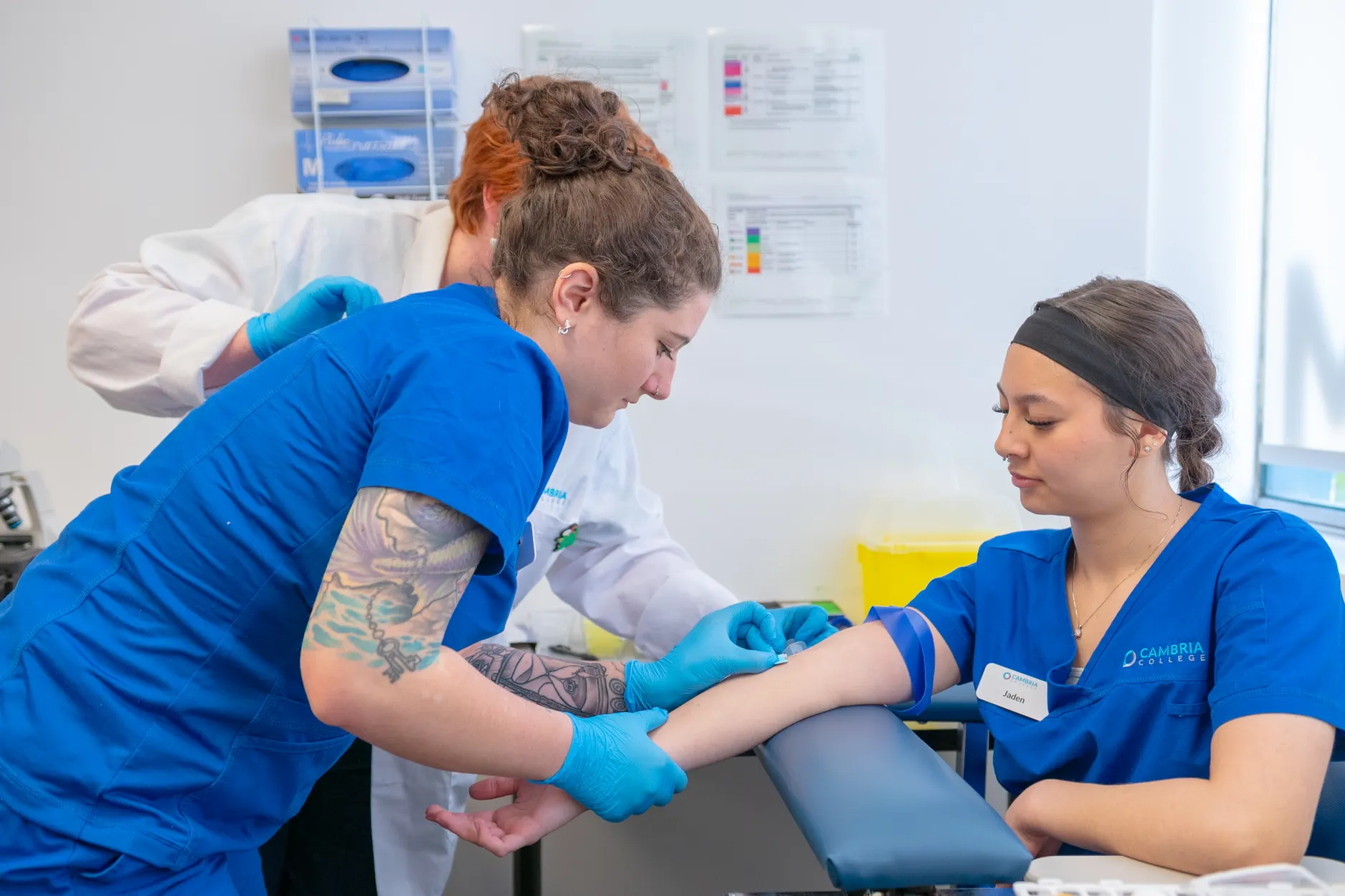
An Advanced Practice Registered Nurse (APRN) is a licensed registered nurse who has completed graduate-level education—at the master’s or doctoral level—and holds national board certification in a specialized clinical role. The APRN meaning encompasses a high level of clinical autonomy, allowing nurses in these roles to assess, diagnose, manage patient health conditions, order diagnostic tests, and prescribe medications depending on state regulatory authority.
Unlike commercial nursing map sites that mix educational advice with affiliate marketing and school advertisements, regulatory objectivity relies strictly on official nursing boards and statutory standards. According to the National Council of State Boards of Nursing (NCSBN), advanced practice nursing represents the apex of clinical nursing specialization, bridging direct patient care with health policy, diagnostics, and evidence-based practice.
APRN Meaning and Core Definition
To understand what is an APRN?, you must look at how state boards and professional organizations define the tier above a standard registered nurse. While an RN executes care plans and monitors patient health, an APRN evaluates complex clinical presentations, establishes differential diagnoses, and initiates comprehensive therapeutic interventions.
The foundational APRN meaning centers on population-focused competencies. Every advanced practice clinician is educated within one of specific patient populations—such as family/individual across the lifespan, adult-gerontology, neonatal, pediatrics, or psychiatric-mental health—ensuring rigorous clinical competency matched to distinct patient cohorts.
The Four Types of APRNs
The national Consensus Model for APRN Regulation recognizes four distinct advanced practice registered nurse roles. Each role requires specialized graduate education, distinct board certification, and role-specific licensure by state boards of nursing.

Review the primary differences among the four categories below:
| Role | Primary Focus | Certifying Body | Typical Clinical Setting |
|---|---|---|---|
| Certified Registered Nurse Anesthetist (CRNA) | Administering anesthesia, pain management, and perioperative care. | NBCRNA | Operating rooms, outpatient surgery centers, and labor and delivery units. |
| Certified Nurse-Midwife (CNM) | Primary care, reproductive health, pregnancy, childbirth, and postpartum care. | AMCB | Birth centers, hospitals, and OB/GYN clinics. |
| Clinical Nurse Specialist (CNS) | Expert clinical consultation, nursing staff development, and quality improvement across systems. | ANCC / AACN | Acute care hospitals, rehabilitation centers, and healthcare administration. |
| Nurse Practitioner (NP) | Comprehensive primary and acute care, diagnosis, and management of acute and chronic illness. | AANPCB / ANCC | Primary care clinics, specialty outpatient offices, and urgent care centers. |
Certified Registered Nurse Anesthetist (CRNA)
CRNA professionals administer every type of anesthetic agent for surgical, obstetrical, and trauma procedures. They manage patient airways, monitor vital physiological parameters during operations, and provide acute pain management. Entry into this specialty requires rigorous critical care nursing experience before graduate admission.
Certified Nurse-Midwife (CNM)
CNM clinicians provide holistic primary healthcare to women throughout their lifespan, focusing on pregnancy, childbirth, newborn care, and gynecological health. They practice in hospitals, private clinics, and birth centers, emphasizing wellness and family-centered care models.
Clinical Nurse Specialist (CNS)
CNS practitioners work across three distinct spheres of impact: patient care, nurse performance, and organizational systems. Rather than operating traditional primary care panels, a CNS diagnoses and manages clinical conditions while driving evidence-based practice changes to improve patient outcomes within hospital units or healthcare systems.
Nurse Practitioner (NP)
Nurse Practitioners represent the largest segment of advanced practice nursing. NPs examine patients, order and interpret diagnostic studies, formulate medical diagnoses, and prescribe treatments. Many nurses explore advanced career progression by comparing options such as an APRN vs NP to understand how general advanced practice titles overlap with specialized primary care designations.

Advanced Practice Registered Nurse Roles & Scope of Practice
The daily responsibilities of advanced practice registered nurse roles extend far beyond traditional bedside tasks. Depending on your specific specialization and state statutes, you may run independent clinical practices, lead hospital codes, or manage complex pharmacology regimens.
However, practice authority varies significantly by jurisdiction under the NCSBN Consensus Model. States categorize practice authority into three tiers:
- Full Practice Authority: State practice and licensure laws permit all types of APRNs to evaluate patients, diagnose, order and interpret diagnostic tests, and initiate treatments—including prescribing medications—without physician oversight.
- Reduced Practice Authority: State law reduces the ability of APRNs to engage in at least one element of advanced practice, requiring a formal collaborative agreement with a physician for prescription authority.
- Restricted Practice Authority: State law requires career-long supervision, delegation, or team management by a physician for the APRN to provide patient care and prescribe medications.
If you hold a multistate license, remember that practice authority is governed by the state where you provide care to the patient, making it vital to review compact privileges before crossing state lines or practicing via telehealth.
Pathway to Licensure: Education, Certification, and State Boards
Transitioning into advanced practice requires meeting strict educational, examination, and regulatory thresholds. State boards of nursing enforce these criteria to protect public safety and maintain professional standards.

Review the essential checklist for securing advanced practice licensure:
- Graduate Degree Requirement: Earn a Master of Science in Nursing (MSN) or Doctor of Nursing Practice (DNP) from an accredited nursing education program with a defined population focus.
- Clinical Practice Hours: Complete rigorous supervised direct patient care clinical hours aligned with specialty-specific programmatic accreditation standards.
- National Board Certification: Pass a secure national certification examination administered by an approved certifying body (such as the ANCC, AANP, AACN, or NBCRNA).
- State Licensure Application: Submit official academic transcripts, national certification verification, and required background checks to your state board of nursing to obtain your license and prescriptive authority.
For nurses operating across multiple jurisdictions, understanding regulatory nuances is essential. You can review guidelines on multistate practice frameworks through the APRN Compact: Multistate License for APRNs overview to determine how compact adoption impacts your credentialing.
Practical Steps for Advancing Your Career
Moving from registered nursing into advanced practice requires careful long-term planning. Begin by evaluating your current clinical background—such as critical care experience for CRNA programs or ambulatory nursing for family nurse practitioner tracks. Verify programmatic accreditation through recognized bodies like the Commission on Collegiate Nursing Education (CCNE) or the Accreditation Commission for Education in Nursing (ACEN). Finally, consult your state board of nursing early to confirm specific educational course credit and pharmacology hour requirements before enrolling in graduate coursework.
Understanding Regulatory Evolution and State Practice Acts
The regulatory landscape governing advanced practice nursing continues to evolve across the United States. While the NCSBN Consensus Model provides a standardized framework for the four types of APRNs, individual state legislatures retain the ultimate authority to define nurse practice acts, licensure requirements, and prescriptive privileges. This patchwork of regulations means that a clinician operating with full practice authority in one jurisdiction may face mandatory physician collaboration requirements or restricted prescription privileges upon crossing state lines.
For registered nurses evaluating career progression, understanding these jurisdictional differences is as vital as choosing a specialization. State boards of nursing establish the precise boundaries of advanced practice registered nurse roles, determining whether clinicians can independently establish diagnostic panels, order physical therapy, sign death certificates, or admit patients directly to healthcare facilities. Reviewing current statutory definitions through your local board of nursing prevents compliance violations and ensures safe, autonomous practice.

Evaluating Graduate Programs and National Certification Pathways
Transitioning into advanced clinical practice requires meticulous planning regarding academic preparation and board eligibility. Accredited graduate programs must align with national standards established by nursing education accreditors and certifying organizations such as the American Nurses Credentialing Center or the American Association of Nurse Practitioners. Prospective students should verify that curriculum tracks incorporate required didactic hours, advanced pharmacology, physical assessment, and pathophysiology.
- Accreditation Verification: Ensure programs hold recognition from specialized nursing accrediting bodies to guarantee eligibility for national certification exams.
- Clinical Site Placement: Confirm whether the educational institution secures preceptors or if students must independently arrange clinical rotations.
- Population Focus Alignment: Select graduate tracks that strictly match your intended career path, such as acute care, primary care, or psychiatric-mental health.
- Certification Board Alignment: Match your completed degree program directly to the corresponding national certifying body required for state licensure.
Long-Term Professional Development and Specialty Maintenance
Securing initial licensure and board certification marks only the beginning of an advanced practice career. Maintaining clinical competency requires a lifelong commitment to continuing education, periodic recertification examinations, and adherence to evidence-based practice updates. Clinicians must track state-specific contact hour requirements, pharmacology credit mandates, and professional development milestones required by their respective certifying boards to ensure uninterrupted clinical practice and legal compliance.
Next Steps in Advanced Practice
Advancing your career requires balancing graduate education, national board examinations, and shifting state regulations. Review your specific state board statutes regularly, maintain your underlying RN license in good standing, and track continuing education requirements to ensure uninterrupted clinical practice.
Frequently Asked Questions
What is the difference between an RN and an APRN?
A Registered Nurse (RN) completes undergraduate education and delivers direct bedside care following established medical orders. An Advanced Practice Registered Nurse (APRN) holds graduate-level education (MSN or DNP), possesses national board certification, and maintains clinical autonomy to diagnose medical conditions, order diagnostics, and prescribe treatments.
What are the four categories of APRNs?
The four recognized types of APRNs are Certified Registered Nurse Anesthetists (CRNAs), Certified Nurse-Midwives (CNMs), Clinical Nurse Specialists (CNSs), and Nurse Practitioners (NPs). Each role requires distinct graduate education and population-specific national board certification.
Can all APRNs prescribe medication?
Prescriptive authority depends entirely on state board of nursing regulations. While APRNs in states with full practice authority prescribe independently, those in reduced or restricted practice states may require physician collaboration agreements or supervision to issue prescriptions.
What educational degree is required to sit for APRN board certification?
Candidates must graduate from an accredited master's (MSN) or doctoral (DNP) APRN program with a defined population focus and complete mandatory supervised clinical practice hours before sitting for a national board certification exam.
What does APRN stand for and what do they do?
APRN stands for Advanced Practice Registered Nurse. They are licensed registered nurses with graduate degrees who assess, diagnose, and treat patients, order diagnostic tests, and prescribe medications within their specialized population focus and state scope of practice.
About This Article
Written by the Nurse CE Hub Editorial Team. We base state requirements and certification details on official board of nursing and certifying-organization sources, linked within the article.
Rules and fees can change. Confirm current requirements with your state board of nursing or certifying organization before you renew or apply. This article is general information, not legal or professional advice. How we research our content