Public Health Nurse Career and Certification Guide
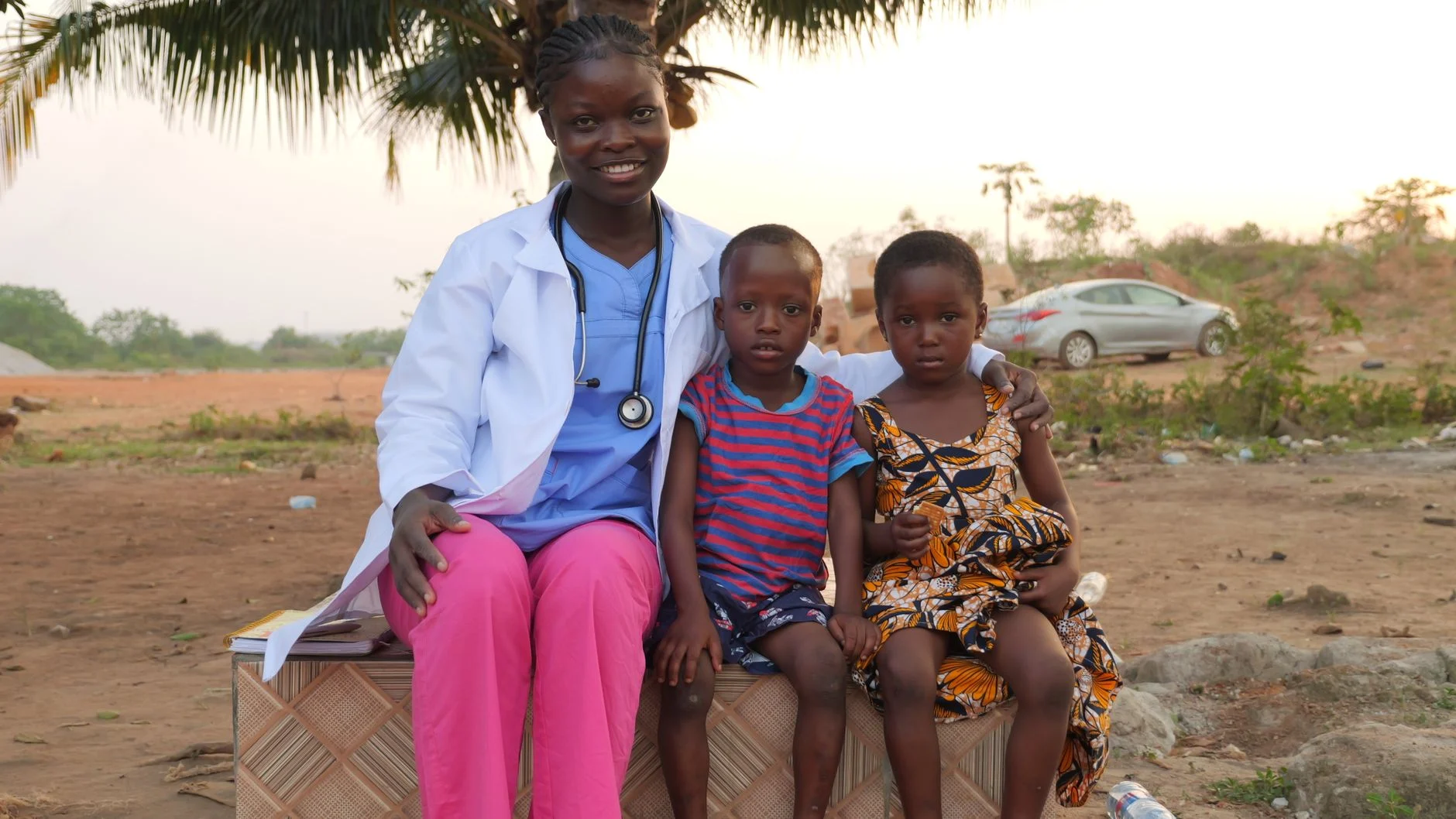
A public health nurse career and certification guide helps registered nurses evaluate population-level care, transition from acute care settings, and understand credentialing pathways such as the ANCC Advanced Public Health Nurse-Board Certified (APHN-BC) credential. Unlike acute care nurses who focus on individual bedside treatment, public health nurses work with entire communities, local health departments, and government agencies to prevent disease, track epidemiological trends, and design health education programs.
Whether you hold an associate degree or a graduate nursing degree, transitioning into population health requires specific core competencies, epidemiological knowledge, and ongoing professional development. This guide examines daily duties, educational milestones, certification standards, and continuing education expectations across different nursing practice levels.
What Is a Public Health Nurse?
A public health nurse focuses on the health outcomes of entire communities and vulnerable populations rather than single patients. While community health nursing often describes nursing practice executed within a specific geographic location, public health nursing specifically emphasizes organized community efforts, environmental health, policy development, and disease surveillance.
Public health nurses operate within governmental health departments, tribal health organizations, non-profit agencies, and international relief groups. They analyze community health data to identify disparities, design targeted intervention programs, and respond to public health emergencies or outbreaks.
Core Public Health Nurse Duties
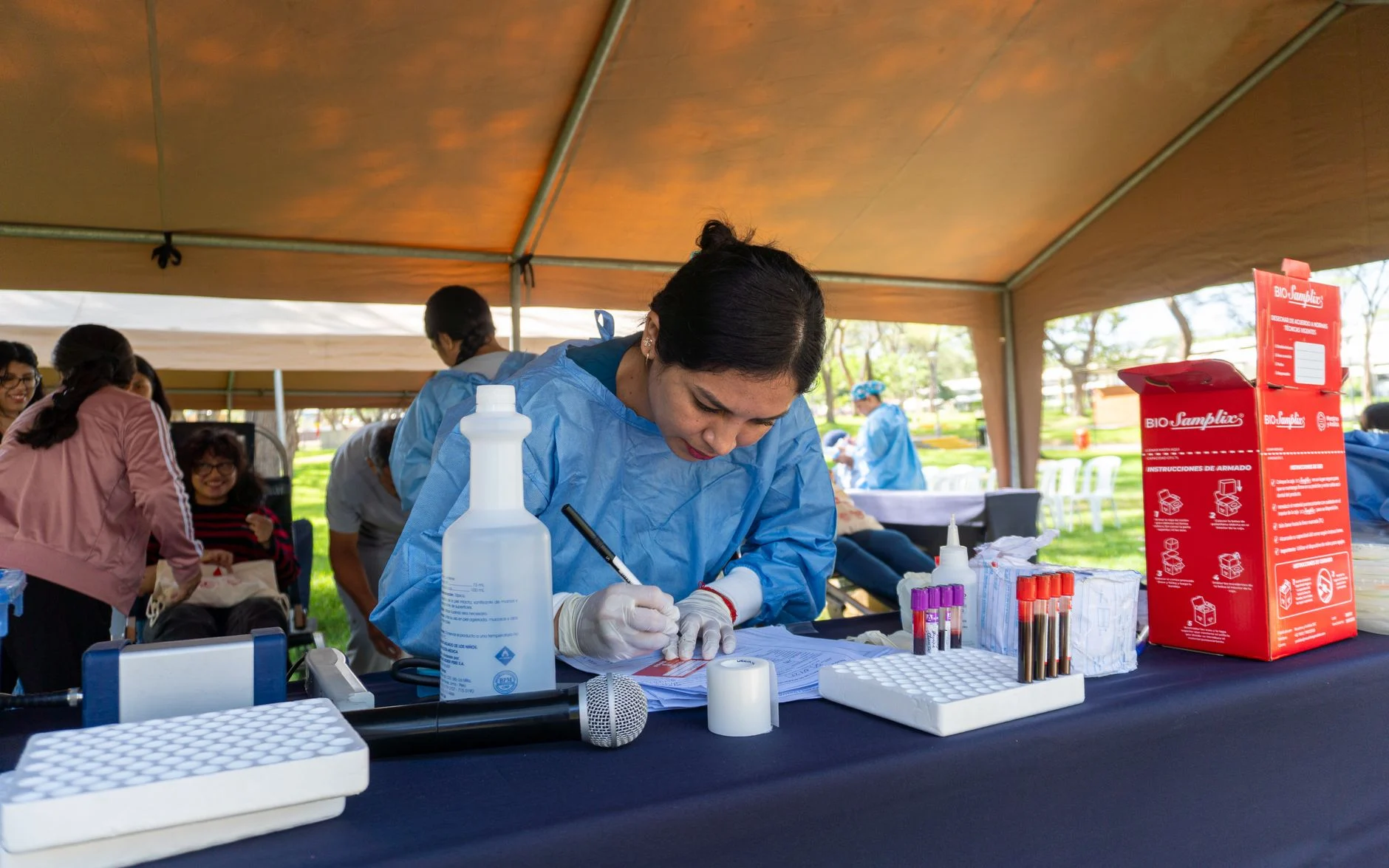
Daily responsibilities in public health nursing center on prevention, population assessment, and program management. In local health departments, professionals frequently manage communicable disease tracking, vaccination clinics, and maternal-child health programs.
Public health nurse duties typically include:
- Investigating and reporting communicable disease outbreaks to state and federal agencies.
- Designing and executing community-wide immunization schedules and health screenings.
- Conducting epidemiological assessments to identify environmental or social health hazards.
- Collaborating with local policymakers to draft public health safety regulations and emergency response plans.
- Providing direct health education regarding chronic disease management, nutrition, and prenatal care.
Understanding these responsibilities helps clinicians determine whether population-level advocacy aligns with their professional goals. For those exploring other specialized paths, comparing roles such as those outlined in a Registered Nurse Career Guide can clarify distinct practice environments.
How to Become a Public Health Nurse
Entering the specialty involves building a solid clinical foundation before shifting focus toward epidemiological principles and population advocacy. Registered nurses must complete specific educational and experiential milestones to secure advanced roles in public health departments.
The standard trajectory involves:
- Earning an Associate Degree in Nursing (ADN) or a Bachelor of Science in Nursing (BSN) and passing the NCLEX-RN exam.
- Securing initial clinical experience in acute care, ambulatory care, or community settings to master fundamental assessment and patient communication skills.
- Transitioning into public health departments or community organizations as a staff nurse or coordinator.
- Pursuing graduate education or specialty certification for leadership, policymaking, or advanced practice roles.
While an ADN allows entry into some staff positions, a BSN is typically required for supervisory roles, public health management, and eligibility for national specialty certifications.
The Public Health Nursing Career Path
The public health nursing career path offers diverse employment settings and advancement opportunities depending on education and experience level. Entry-level practitioners often focus on direct service delivery, while advanced practitioners manage agency programs or design state-wide health policies.
| Role Level | Typical Education | Core Focus |
|---|---|---|
| Staff Public Health Nurse | ADN or BSN | Immunization clinics, direct client education, and infectious disease tracking. |
| Public Health Nurse Manager | BSN or MSN | Agency administration, grant writing, budget oversight, and staff supervision. |
| Advanced Practice Public Health Nurse | MSN or DNP | Epidemiological research, policy design, and population-level health intervention leadership. |
Professional Certification and Portfolio Requirements
Board certification validates specialized expertise in population health. The American Nurses Credentialing Center (ANCC) offers the Advanced Public Health Nurse-Board Certified (APHN-BC) credential via an ANCC Certification portfolio submission process. Unlike traditional multiple-choice board exams, the APHN-BC credential evaluates professional accomplishments through structured documentation.
To meet eligibility criteria for the portfolio review, candidates typically must:
- Hold a current, unencumbered RN license in the United States or equivalent.
- Possess a master’s degree or higher in nursing with a specific focus on public health nursing.
- Demonstrate clinical practice hours or academic coursework directly tied to population health, epidemiology, and health policy.
- Submit professional work samples, evidence of leadership, and documentation of continuing education contact hours as outlined in current ANCC guidelines.
Reviewing certification handbooks directly through the ANCC certification portal ensures applicants satisfy current submission windows and professional development criteria.

Continuing Education and License Renewal
Maintaining active licensure and specialty certification requires adherence to state board of nursing rules and certifying body standards. State nursing license renewal mandates vary entirely by jurisdiction and license type (RN, LPN/LVN, APRN), requiring nurses to track specific contact hours or continuing education units (CEUs) during each renewal cycle.
For certified public health nurses, recertification through the ANCC requires accumulating designated professional development hours or continuing education credits during the renewal window. Nurses practicing under multistate licenses via the Nurse Licensure Compact must comply with the continuing education mandates of their primary state of residence while maintaining awareness of local health department employment standards.
Navigating the Transition from Clinical Practice
Moving from a hospital bedside or outpatient clinic into population-focused advocacy requires adjusting your clinical framework. While acute care nursing trains you to stabilize individual physiological systems, public health nursing asks you to investigate why groups of people develop certain health conditions in the first place. Clinicians often wonder how to become a public health nurse after spending years in specialized units such as the intensive care unit or emergency department. The shift involves expanding your diagnostic lens from a single patient to environmental patterns, socioeconomic factors, and community-wide disease indicators.
During this career shift, your clinical assessment skills remain vital, but your toolkit expands to include health communication campaigns, stakeholder coordination, and resource mobilization. For those building foundational clinical competencies before moving into specialized tracks, exploring resources like a Registered Nurse Career Guide helps map out early professional milestones.
Core Competencies and Epidemiological Skills
Effective population-level intervention relies on mastering core competencies established by national public health organizations. These skills bridge the gap between clinical bedside observations and systemic health initiatives. You must be comfortable interpreting epidemiological data, conducting community assessments, and evaluating the effectiveness of public health interventions across diverse demographic groups.
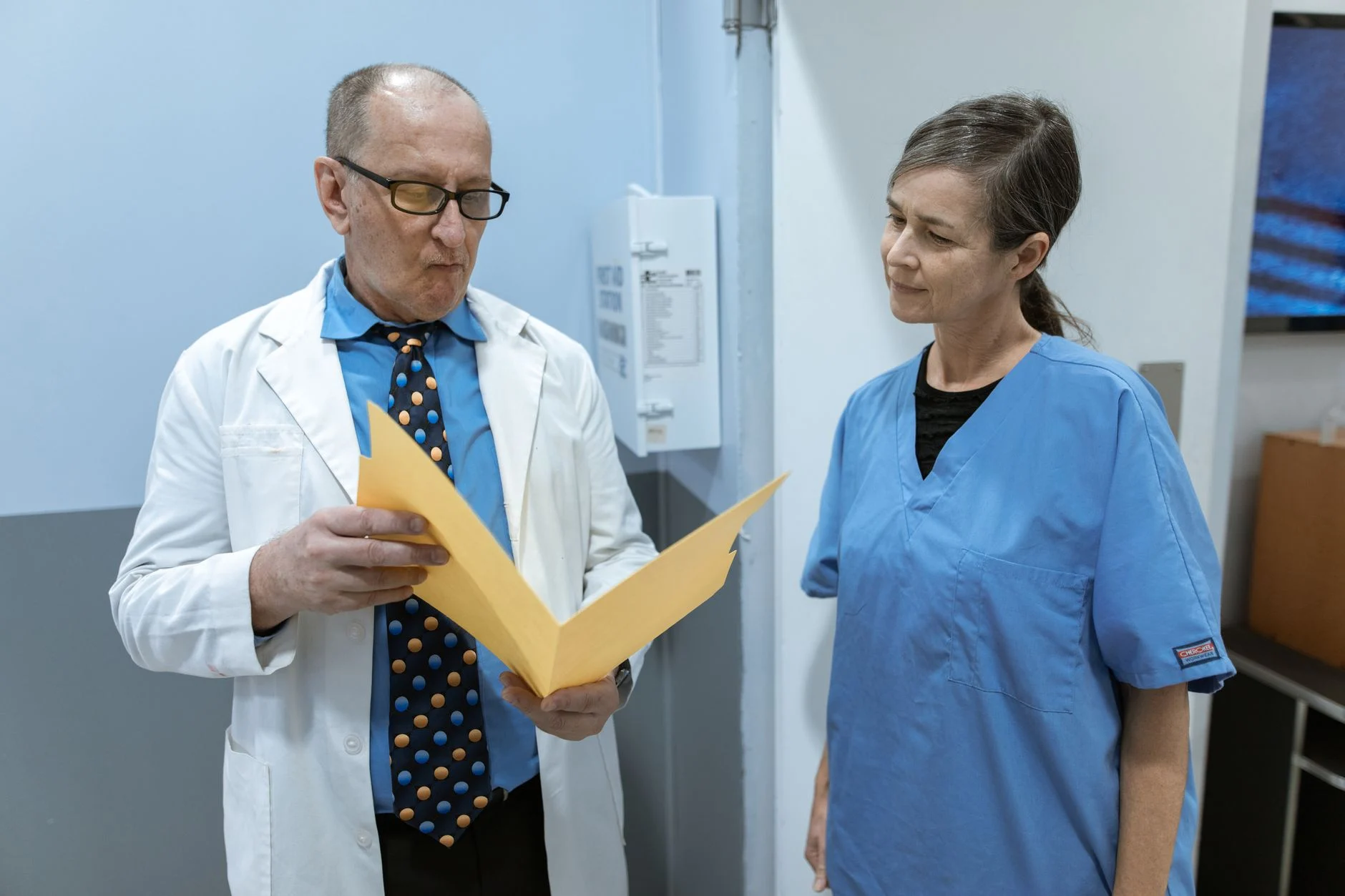
Essential competencies for population-focused practice include:
- Analyzing local, state, and national health surveillance data to spot emerging disease trends.
- Designing culturally competent health literacy programs tailored to underserved or vulnerable communities.
- Applying principles of environmental health to identify hazards in housing, water supplies, and workplaces.
- Facilitating multi-agency collaboration among social services, local government, and healthcare providers during community crises.
Mastering these proficiencies enables nurses to design sustainable programs that lower chronic disease prevalence and improve long-term community resilience.
Recertification and Continuing Education Maintenance
Maintaining your professional credentials requires careful tracking of contact hours, professional development activities, and renewal windows. For nurses holding specialty board credentials such as the ANCC Advanced Public Health Nurse-Board Certified designation, recertification occurs on a multi-year cycle and demands documented evidence of ongoing learning and professional contribution.
When planning your renewal cycle, always verify whether your state board of nursing accepts specific continuing education formats for license renewal alongside your specialty recertification requirements. Because state nursing license renewal rules differ by jurisdiction and license category, combining clinical contact hours with population-health specific education ensures compliance across both professional and legal fronts.
Next Steps in Population Health
Transitioning into population health requires assessing your current educational background, gaining relevant community experience, and reviewing state-specific licensing rules. Whether you choose to pursue advanced academic preparation or compile your professional portfolio for specialty board certification, staying informed on evidence-based practices ensures long-term career growth in public health nursing.
Frequently Asked Questions
What is the difference between a community health nurse and a public health nurse?
While both focus on health outside acute care settings, community health nurses often deliver direct care to individuals and families within a specific geographic area. Public health nurses place greater emphasis on population-level epidemiology, policy development, environmental health, and governmental disease surveillance.
Is certification mandatory to work as a public health nurse?
Board certification is not legally mandatory to practice as a staff public health nurse in most local health departments. However, employers frequently prefer or require specialty credentials like the ANCC APHN-BC for advanced practice, supervisory, or specialized epidemiological roles.
What continuing education types are accepted for public health nursing renewal?
Accepted continuing education types depend on whether you are renewing a state nursing license or a specialty certification. State boards of nursing dictate specific contact hour rules for license renewal, while the ANCC specifies professional development categories for board certification recertification.
Can nurses transition from acute care into public health roles?
Yes. Acute care nurses possess valuable clinical assessment, critical thinking, and patient education skills that transfer effectively to public health. Transitioning often involves starting in staff positions within local health departments or completing additional coursework in epidemiology.
What educational level is required for advanced public health nursing certification?
The ANCC Advanced Public Health Nurse-Board Certified credential requires a master’s degree or higher in nursing with a specific focus on public health, alongside documented professional practice hours and portfolio evidence.
About This Article
Written by the Nurse CE Hub Editorial Team. We base state requirements and certification details on official board of nursing and certifying-organization sources, linked within the article.
Rules and fees can change. Confirm current requirements with your state board of nursing or certifying organization before you renew or apply. This article is general information, not legal or professional advice. How we research our content