What Is a CRNA? Meaning, Role, Salary & How to Become One
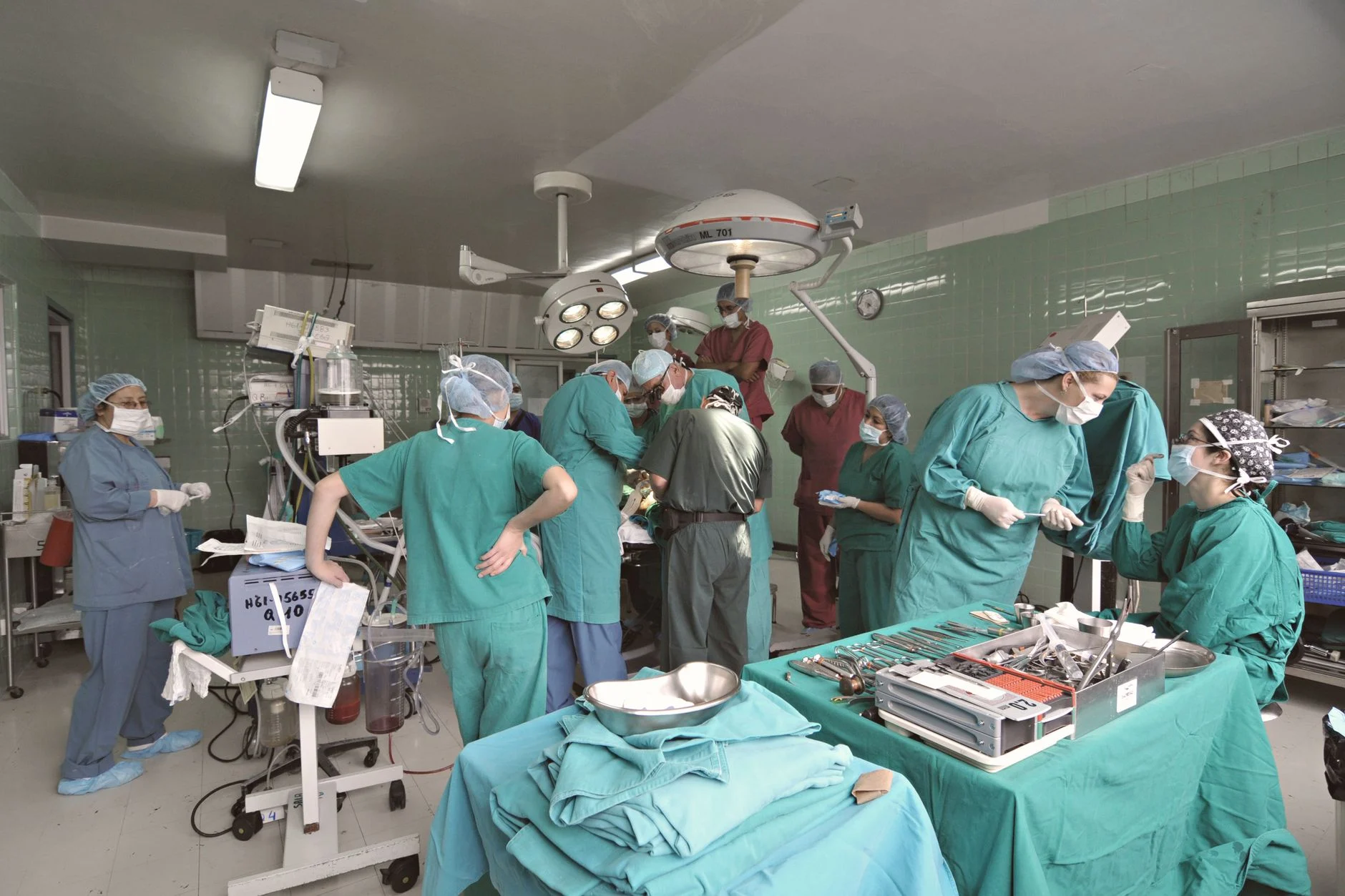
CRNA stands for Certified Registered Nurse Anesthetist, an advanced practice registered nurse (APRN) who gives anesthesia and related care before, during, and after surgery, procedures, labor and delivery, and pain management. CRNAs are registered nurses with critical care experience who complete a doctoral nurse anesthesia program and pass the National Certification Examination (NCE) from the NBCRNA. The median CRNA salary was $236,590 in May 2025, according to the U.S. Bureau of Labor Statistics.
While nurse anesthesia has existed as a distinct nursing field since the American Civil War, modern practice requires rigorous clinical training, advanced scientific knowledge, and doctoral-level preparation. Today, these practitioners provide anesthesia services across acute care settings, serving as the sole anesthesia providers in many rural and critical access hospitals across the country.
CRNA Meaning at a Glance
| Acronym | CRNA = Certified Registered Nurse Anesthetist |
|---|---|
| Role type | APRN (one of four APRN roles, with CNP, CNM, and CNS) |
| Education | BSN or equivalent, RN license, critical care experience, and a doctoral (DNP or DNAP) nurse anesthesia program |
| Certification | National Certification Examination (NCE) by the NBCRNA; recertification through the Continued Professional Certification (CPC) program |
| Median pay | $236,590 per year (BLS, May 2025) |
| Job outlook | 10% growth projected for nurse anesthetists, 2025–2035 (BLS) |
| Work settings | Hospital ORs, ambulatory surgery centers, obstetrics, pain clinics, dental and plastic surgery offices, military and rural hospitals |
Defining the CRNA: Full Form and Core Function
The standard CRNA full form stands for Certified Registered Nurse Anesthetist. This professional title signifies that a registered nurse has completed graduate education accredited by the Council on Accreditation of Nurse Anesthesia Educational Programs (COA) and passed the National Certification Examination administered by the National Board of Certification and Recertification for Nurse Anesthetists.
In clinical practice, the core function of a nurse anesthetist involves delivering comprehensive anesthesia services. Their duties include:
- Conducting thorough preoperative assessments and physical examinations
- Developing individualized anesthesia plans based on patient comorbidities and surgical requirements
- Administering general anesthesia, regional nerve blocks, neuraxial blocks (epidural and spinal), and monitored anesthesia care (MAC)
- Managing invasive lines, such as arterial lines and central venous catheters
- Monitoring cardiovascular, pulmonary, and neurological status continuously throughout surgical interventions
- Overseeing emergence from anesthesia and managing acute postoperative pain
The Certified Registered Nurse Anesthetist Role Across Clinical Settings
The certified registered nurse anesthetist role varies widely depending on the facility, patient acuity, and institutional practice models. Rather than functioning simply as assistants, these clinicians practice as autonomous airway and resuscitation experts in complex procedural environments.
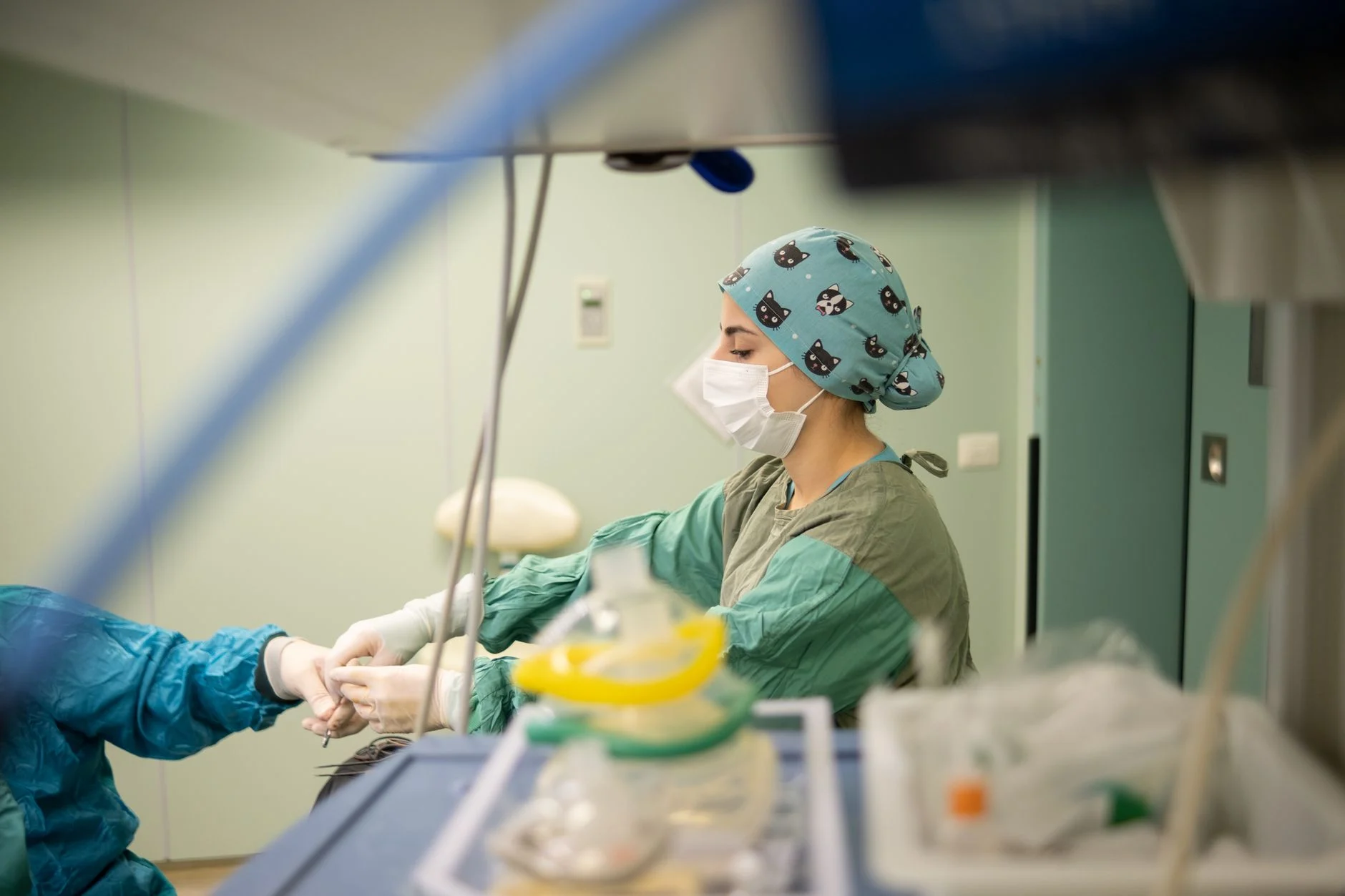
In urban tertiary care centers, nurse anesthetists frequently manage complex cardiac, neurological, pediatric, and trauma surgeries. In community hospitals and ambulatory surgical centers, they facilitate rapid turnover for orthopedic, endoscopic, and general surgical cases. Their role also extends to labor and delivery suites, where they place epidural catheters and provide surgical anesthesia for emergency cesarean sections.
According to the American Association of Nurse Anesthesiology, nurse anesthetists are essential to maintaining rural healthcare infrastructure. In many medically underserved areas, community facilities rely exclusively on nurse anesthetists to keep emergency surgical suites and obstetrical services operational, eliminating the need to transfer patients over significant distances for routine or emergency interventions.
CRNA vs Anesthesiologist: A Structured Comparison
When evaluating the discussion of CRNA vs anesthesiologist, clinicians and prospective students encounter two distinct training routes leading to overlapping clinical responsibilities. The primary differences lie in educational philosophy, entry pathways, years spent in graduate medical education, and supervisory models defined by state law.
The following table outlines the key educational, clinical, and regulatory differences between the two professions:

| Factor | Certified Registered Nurse Anesthetist (CRNA) | Physician Anesthesiologist (MD/DO) |
|---|---|---|
| Foundational Degree | Bachelor of Science in Nursing (BSN) or direct equivalent | Bachelor’s Degree (Pre-Med or related sciences) |
| Prerequisite Experience | Minimum 1–3 years in critical care (ICU) as an RN | Medical College Admission Test (MCAT), clinical shadowing |
| Terminal Professional Training | Doctor of Nursing Practice (DNP) or Doctor of Nurse Anesthesia Practice (DNAP) | Doctor of Medicine (MD) or Doctor of Osteopathic Medicine (DO) |
| Postgraduate Training | 36-month integrated doctoral program (optional fellowships available) | 4-year medical school plus 4-year anesthesia residency (optional fellowships) |
| Certifying Organization | National Board of Certification and Recertification for Nurse Anesthetists (NBCRNA) | American Board of Anesthesiology (ABA) or American Osteopathic Board of Anesthesiology (AOBA) |
| Practice Models | Independent practice, physician collaboration, or Anesthesia Care Team (ACT) model | Independent practice or medical direction within the Anesthesia Care Team (ACT) model |
Within healthcare facilities, these providers may work independently or side by side. In the Anesthesia Care Team (ACT) model, an anesthesiologist provides medical direction for up to four concurrent cases while nurse anesthetists manage each individual operating room continuously. In independent practice models, nurse anesthetists manage cases from induction to emergence without physician anesthesiologist involvement.
Education and Certification Requirements
Entering the nurse anesthesia profession requires extensive academic preparation and intensive clinical training. The requirements have evolved to reflect the increasing complexity of acute perioperative care.
The Transition to Doctoral Entry
Historically, nurse anesthetists earned a Master of Science in Nursing (MSN). However, the entry-level degree for new practitioners transitioned strictly to the doctoral level starting in 2022. All accredited nurse anesthesia programs in the United States now award either a Doctor of Nursing Practice (DNP) or a Doctor of Nurse Anesthesia Practice (DNAP).
Nurses who earned their credential under previous master’s degree standards maintain active certification and are fully grandfathered into practice. Prospective students applying to programs today, however, must enroll in a terminal doctoral curriculum spanning approximately 36 months of full-time, continuous study.

Checklist: Steps to Becoming a CRNA
- Earn a Baccalaureate Degree: Complete an accredited Bachelor of Science in Nursing (BSN) and obtain unencumbered registered nurse (RN) licensure.
- Accumulate Critical Care Experience: Work a minimum of one to three years as an RN in a high-acuity intensive care unit (such as medical, surgical, cardiothoracic, or trauma ICU). Candidates must demonstrate proficiency in hemodynamic monitoring, vasoactive infusions, and mechanical ventilation.
- Complete a Doctoral Anesthesia Program: Graduate from an accredited program recognized by the Council on Accreditation of Nurse Anesthesia Educational Programs, completing didactic coursework in advanced pharmacology, physiology, and anesthesia management alongside thousands of supervised clinical hours.
- Pass the National Certification Examination: Attain board certification through the National Board of Certification and Recertification for Nurse Anesthetists by passing the computer-adaptive national examination.
- Maintain Licensure and Recertification: Maintain state APRN licensure and complete the NBCRNA Continued Professional Certification (CPC) program, which runs in four-year cycles and requires continuing education, assessment modules, and regular practice verification.
How to Become a CRNA: Step by Step
- Earn a BSN (or another qualifying bachelor’s degree) and pass the NCLEX-RN.
- Gain critical care experience. Programs require at least one year of full-time acute care experience, and most competitive applicants have two or more years in an ICU. See how to become a critical care nurse.
- Consider CCRN certification to strengthen your application; see our CCRN certification guide.
- Complete a doctoral nurse anesthesia program (about 36 months). Since January 1, 2022, all new students must enroll in a doctoral-level program accredited by the COA.
- Pass the NCE from the NBCRNA and apply for APRN licensure in your state.
- Maintain certification through the NBCRNA CPC program on a four-year cycle.
For prerequisites, ICU experience rules, and state practice requirements in more detail, read our full guide to CRNA requirements.
CRNA Salary and Job Outlook
Nurse anesthetists are the highest-paid nursing role. The U.S. Bureau of Labor Statistics reports a median annual wage of $236,590 for nurse anesthetists in May 2025, compared with $132,300 for nurse practitioners. Employment of nurse anesthetists is projected to grow about 10% from 2025 to 2035. Pay is usually highest in outpatient surgery centers, rural and critical access hospitals that rely on CRNAs as the sole anesthesia provider, and locum tenens roles. Source: BLS Occupational Outlook Handbook. For other advanced practice pay, compare our nurse practitioner salary and FNP salary guides.
Practice Authority and Scope of Practice
The legal scope of practice for nurse anesthetists is governed at the state level by boards of nursing and state medical practice acts, rather than by a single federal standard. As a result, practice models vary substantially across state borders.
States generally fall into three practice categories:
- Full Practice Authority / Independent Practice: Nurse anesthetists practice to the full extent of their education and certification without statutory requirements for physician supervision, delegation, or written collaborative agreements.
- Collaborative Agreement: State law requires a formal, written agreement with a physician (who does not necessarily have to be an anesthesiologist) outlining communication protocols, clinical scope, and emergency escalation.
- Supervised Practice: State regulations require that anesthesia care be supervised or directed by a licensed physician or dentist, though the physical presence requirements vary by jurisdiction.
In addition to state licensure laws, Medicare facility reimbursement plays an important role in how hospitals utilize nurse anesthetists. Under federal Medicare regulations, hospitals must maintain physician supervision of nurse anesthetists to receive reimbursement unless the state governor signs an official “opt-out” letter. More than 20 states and territories have exercised this federal opt-out provision, allowing hospitals and critical access facilities to utilize autonomous nurse anesthesia services without physician supervision requirements.
Evaluating the Nurse Anesthetist Career Path
For registered nurses evaluating long-term career progression, nurse anesthesia represents one of the most demanding yet rewarding advanced practice specialties. The compensation reflects this clinical responsibility; data from the U.S. Bureau of Labor Statistics consistently ranks nurse anesthetists among the highest-earning advanced practice nursing specialties in the country.
Succeeding on this career path requires a strong clinical foundation in adult or pediatric critical care, comfort with high-stress decision-making, and dedication to multi-year doctoral education. For registered nurses ready to advance, understanding the credentialing, regulatory, and educational standards provides the roadmap required to transition into this essential perioperative leadership role.
Frequently Asked Questions
What is the difference between a nurse anesthetist and an anesthesiologist?
The core difference lies in their training pathways and initial licensure. Nurse anesthetists are registered nurses who complete critical care ICU experience followed by a doctoral anesthesia program (DNP or DNAP). Anesthesiologists are physicians who complete four years of medical school (MD or DO) followed by a four-year medical residency in anesthesiology. In practice, both administer identical types of anesthesia and manage perioperative care.
Is a DNP required to be a CRNA?
A doctoral degree is mandatory for all new entrants. Since 2022, all nurse anesthesia educational programs accredited by the COA must award a doctoral degree (either a DNP or DNAP) to graduating students. Nurse anesthetists who completed their education prior to 2022 under master's degree standards are fully grandfathered into practice and maintain their credentials.
Can CRNAs work without an anesthesiologist?
Yes. Nurse anesthetists can work independently in states that grant full practice authority, as well as in states that have opted out of the federal Medicare physician supervision requirement. In many rural and community hospitals across the United States, nurse anesthetists serve as the sole anesthesia providers without an anesthesiologist on staff.
How long does it take to become a CRNA?
It typically takes 7 to 10 years to become a nurse anesthetist. This includes earning a four-year Bachelor of Science in Nursing (BSN), spending at least one to three years working as an RN in an intensive care unit, and completing a 36-month full-time doctoral nurse anesthesia program.
What organization certifies nurse anesthetists in the United States?
Nurse anesthetists are nationally certified by the National Board of Certification and Recertification for Nurse Anesthetists (NBCRNA). Graduates of accredited programs must pass the NBCRNA National Certification Examination and maintain their credential through the Continued Professional Certification (CPC) program.
What does CRNA stand for?
CRNA stands for Certified Registered Nurse Anesthetist, an advanced practice registered nurse who is nationally certified to provide anesthesia care.
Is a CRNA a doctor?
A CRNA is not a physician. New CRNAs graduate with a doctoral degree (DNP or DNAP), so they hold a doctorate, but they are licensed as advanced practice nurses, not as medical doctors.
How long does it take to become a CRNA?
Most nurses need about 7 to 10 years: four years for a BSN, one to three years of ICU experience, and about three years in a doctoral nurse anesthesia program.
How much does a CRNA make?
The median annual wage for nurse anesthetists was $236,590 in May 2025, according to the U.S. Bureau of Labor Statistics.
About This Article
Written by the Nurse CE Hub Editorial Team. We base state requirements and certification details on official board of nursing and certifying-organization sources, linked within the article.
Rules and fees can change. Confirm current requirements with your state board of nursing or certifying organization before you renew or apply. This article is general information, not legal or professional advice. How we research our content