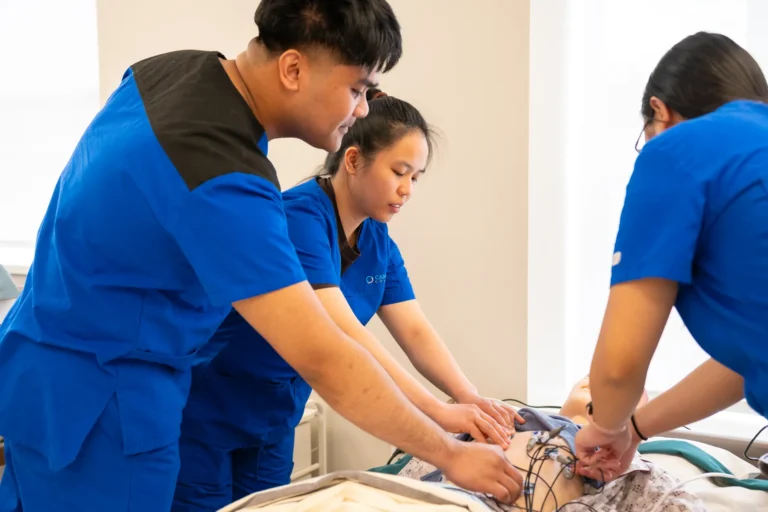
Geriatric Nurse Career and Certification Guide
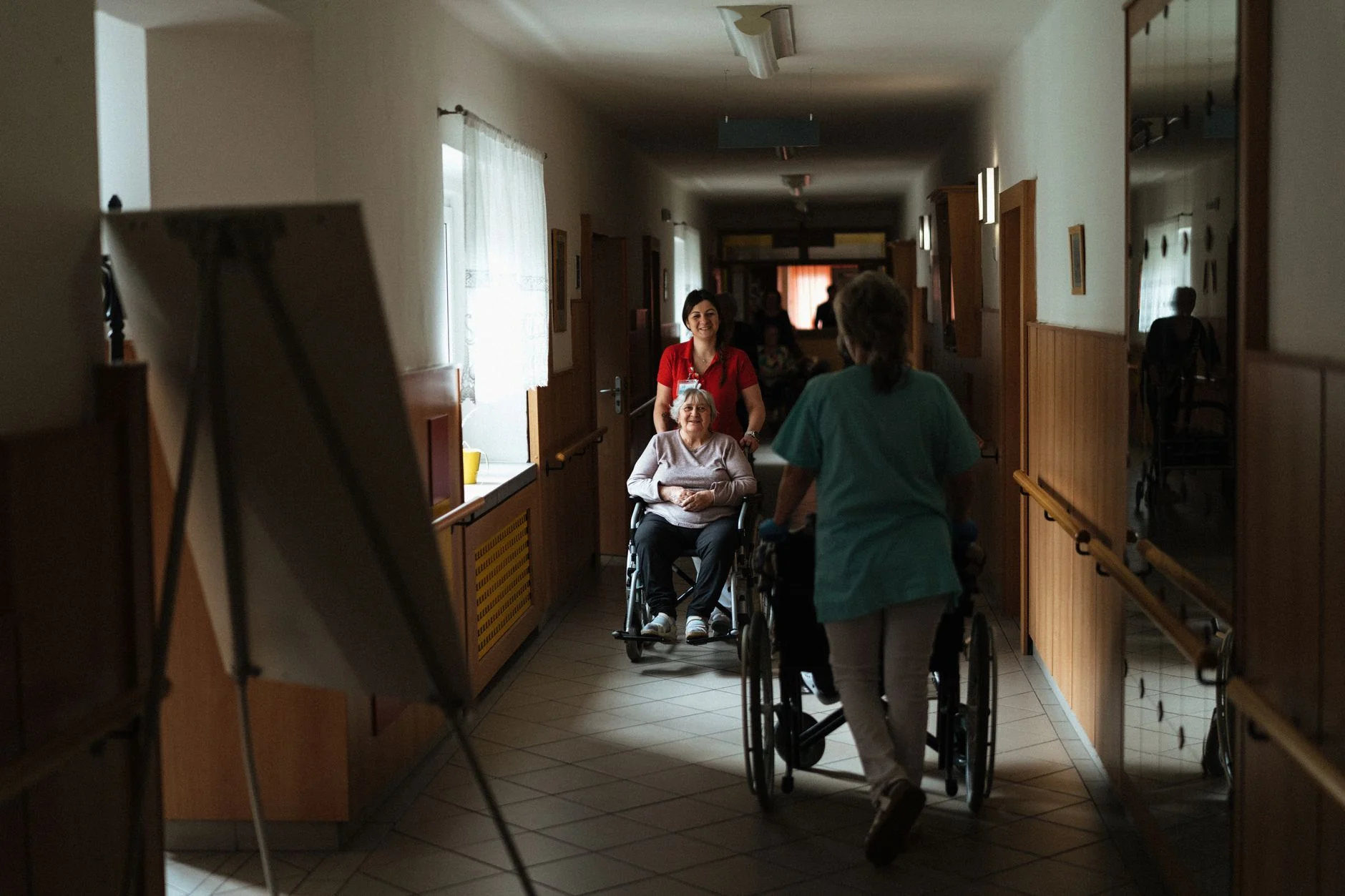
A geriatric nurse is a registered nurse who specializes in the unique health needs of the aging population. This practice involves addressing the complex physiological, psychological, and social changes that occur throughout the aging process. By focusing on health promotion, disease prevention, and the management of chronic conditions, these professionals help older adults maintain their independence and quality of life. This geriatric nurse career and certification guide provides a framework for nurses looking to transition into this rewarding specialty, whether in acute care, long-term care, or community-based settings.
Core Responsibilities
The core geriatric nurse duties extend beyond standard clinical care. Because older adults often present with atypical symptoms and multiple comorbidities, specialized assessment skills are essential. Your daily responsibilities typically include:
- Performing comprehensive geriatric assessments to evaluate cognitive function, mobility, and nutritional status.
- Managing polypharmacy by reviewing medication regimens to identify potential drug-drug interactions or adverse effects.
- Providing patient and family education regarding chronic disease management, such as heart failure, diabetes, and dementia.
- Implementing evidence-based fall prevention and safety interventions.
- Collaborating with interdisciplinary teams, including physical therapists, social workers, and physicians, to coordinate care plans.
- Facilitating discussions regarding advance directives and end-of-life care preferences to ensure patient-centered outcomes.
The Path to Certification
Learning how to become a geriatric nurse involves a blend of clinical experience and specialized knowledge. While you can practice in geriatric settings as a generalist registered nurse, obtaining board certification distinguishes your expertise and commitment to the specialty. The primary credential for this field is the Gerontological Nurse Certification (GERO-BC), managed by the American Nurses Credentialing Center (ANCC).
Certification vs. Licensure
| Feature | Nursing Licensure | GERO-BC Certification |
|---|---|---|
| Purpose | Legal requirement to practice | Validation of specialty expertise |
| Issuer | State Board of Nursing | Professional body (e.g., ANCC) |
| Requirement | Mandatory for all nurses | Voluntary/Optional |
| Renewal | Based on state-specific cycles | Five-year recertification cycle |
Checklist: Requirements for GERO-BC Eligibility
To qualify for the GERO-BC credential, you must meet the specific criteria outlined in the official ANCC certification handbook. Eligibility generally requires:

- Holding a current, active RN license in a US state or territory.
- Practicing as a full-time RN for at least two years.
- Documenting a minimum of 2,000 hours of clinical practice in gerontological nursing within the last 3 years.
- Meeting current professional development requirements as defined in the official ANCC handbook.
Geriatric Nursing Career Path
The geriatric nursing career path is multifaceted, offering diverse opportunities for professional growth. Many nurses begin their journey in medical-surgical settings to build a strong foundation in acute care before moving into specialized gerontology roles. As you gain experience, you may pursue advanced practice positions, such as a Gerontological Clinical Nurse Specialist or a Geriatric Nurse Practitioner. For those interested in broader systemic roles, our registered nurse career guide provides additional insights into navigating specialty transitions. According to the U.S. Bureau of Labor Statistics (BLS) Occupational Outlook Handbook (accessed 2024), the demand for registered nurses remains strong, particularly in settings serving the aging population; you should review the official BLS data for the most current employment and salary projections.
Maintaining Competence: CE and Renewal
Professional development is essential for maintaining your certification and staying current with evolving geriatric care standards. The GERO-BC certification requires renewal every five years. Maintaining your certification involves demonstrating continued professional development and ongoing clinical practice. You must consult the ANCC recertification handbook to identify the specific contact hour requirements and professional development categories applicable to your current cycle. It is critical to distinguish these requirements from the continuing education (CE) needed for your state license renewal, as state boards of nursing maintain independent mandates for licensure.
Professional Development Checklist
To advance your career in gerontology, consider these actionable steps:
- Track your clinical hours: Maintain a log of your hours spent caring for older adults to simplify the GERO-BC application process.
- Targeted CE: Seek accredited providers offering courses on geriatric pharmacology, cognitive impairment, and palliative care.
- Mentorship: Connect with certified gerontological nurses to gain insights into clinical challenges and career advancement.
- Professional Organizations: Join nursing associations that focus on gerontology to access journals, research updates, and networking opportunities.
- Scope of Practice Review: Regularly check your state’s Nurse Practice Act to ensure your clinical activities remain within legal boundaries.
Geriatric Nursing vs. Hospice and Palliative Care
A common point of confusion for nurses entering this field is the distinction between general gerontological nursing and specialized end-of-life care. While a geriatric nurse career and certification guide focuses on the broad spectrum of aging, hospice and palliative care are distinct sub-specialties. Geriatric nursing is defined by the promotion of healthy aging, the management of chronic conditions, and the prevention of geriatric syndromes, such as falls, delirium, and frailty, across all settings including primary care and rehabilitation. You may work with patients who have significant life expectancies and are focused on maintaining functional independence.

In contrast, hospice nursing is strictly focused on comfort measures for patients with a terminal prognosis, typically with a life expectancy of six months or less. Palliative care, while similar in its focus on symptom management and quality of life, can be provided at any stage of a serious illness, regardless of prognosis. While many geriatric nurses will encounter patients who transition into palliative or hospice care, the core geriatric nurse duties emphasize proactive, restorative, and maintenance care rather than the terminal care model. Understanding this boundary is vital when selecting your clinical environment and pursuing specialized certifications.
Understanding CE Requirements for GERO-BC
Maintaining your GERO-BC certification requires a commitment to lifelong learning that goes beyond standard state licensure. The American Nurses Credentialing Center (ANCC) requires you to complete a specific number of professional development contact hours during your five-year certification cycle. These hours must be directly relevant to the gerontological nursing specialty. It is important to note that the contact hours you use to satisfy your state board of nursing requirements for active RN licensure may not always count toward your GERO-BC renewal unless they align with the ANCC’s specific content criteria.
To ensure your continuing education (CE) is accepted for renewal, verify that your chosen providers are accredited. The ANCC maintains detailed documentation in their official certification renewal requirements regarding the types of activities that qualify, which may include academic coursework, professional service, or clinical practice hours. Always retain certificates of completion and detailed logs of your professional development activities in a secure, accessible format, as you may be required to provide this evidence during an audit of your certification status.

Strategic Career Progression
The geriatric nursing career path is highly adaptable, allowing you to pivot between direct patient care, leadership, and education. If you are currently exploring how to become a geriatric nurse, consider the long-term trajectory of your role. Many nurses begin by mastering the foundational clinical skills required for geriatric assessment, then transition into roles such as a Geriatric Care Manager or a Quality Improvement Coordinator in a long-term care facility. As you advance, you may find that obtaining a graduate degree—such as a Master of Science in Nursing (MSN) or a Doctor of Nursing Practice (DNP)—opens doors to advanced practice roles as a Gerontological Nurse Practitioner (GNP). These roles allow for greater autonomy in diagnosis and treatment planning for older adults, further cementing your expertise within the healthcare system.
Next Steps for Your Career
To move forward, start by reviewing the current ANCC eligibility criteria to see how your current practice aligns with the requirements. If you are not yet working in a geriatric-focused role, seek opportunities to volunteer for hospital committees related to older adult safety or request rotations in units with high geriatric patient volumes. For those looking to expand their educational reach, resources like our nurse educator certification guide may also be relevant if you intend to teach others about best practices in geriatric care.
Frequently Asked Questions
Is geriatric nursing the same as hospice nursing?
No. Geriatric nursing focuses on the broad spectrum of health and wellness for older adults, including chronic disease management and maintaining independence. Hospice nursing is a specialized field dedicated specifically to end-of-life care, symptom management, and comfort for patients with a terminal prognosis.
How many hours of practice do I need for GERO-BC?
To be eligible for the ANCC GERO-BC certification, you must document at least 2,000 hours of clinical practice in gerontological nursing within the three years immediately preceding your application.
How often do I need to renew my geriatric nursing certification?
The GERO-BC certification must be renewed every five years. Renewal requires evidence of continued professional development and adherence to the requirements outlined in the official ANCC recertification handbook.
How do I find accredited CE courses for geriatric nursing?
You should look for providers accredited by the American Nurses Credentialing Center (ANCC) or your state board of nursing. Always verify that the specific course content aligns with the specialty requirements for GERO-BC renewal or your state license renewal mandates.
Are there specific CE requirements for geriatric nurses in different states?
State CE requirements for license renewal vary significantly by jurisdiction. You must consult your specific State Board of Nursing for license renewal mandates. Certification maintenance (such as GERO-BC) is separate and governed by the national certifying body, which requires CE specifically focused on your specialty.
About This Article
Written by the Nurse CE Hub Editorial Team. We base state requirements and certification details on official board of nursing and certifying-organization sources, linked within the article.
Rules and fees can change. Confirm current requirements with your state board of nursing or certifying organization before you renew or apply. This article is general information, not legal or professional advice. How we research our content