Nurse Practitioner Conferences 2026

Attending national and regional nurse practitioner conferences 2026 provides an effective way to earn continuing education contact hours, fulfill APRN pharmacology requirements, and connect with clinical peers. Choosing the right event depends on your specialty, your state board mandates, and whether you prefer in-person networking or flexible virtual formats. This guide outlines major professional gatherings scheduled for the year, breaks down credit types, and explains how to document your attendance for license renewal.
For clinicians looking to understand broader educational pathways and career definitions before committing to specific events, reviewing resources such as what is a nurse practitioner can help clarify core scope distinctions across different practice settings. Planning ahead allows advanced practice registered nurses to secure early-bird registration rates and align their continuing education budgets with annual professional development goals.
Major National Nurse Practitioner Conferences in 2026
National professional gatherings offer extensive multi-day educational tracks, clinical skills workshops, and large exhibit halls showcasing medical technology and pharmacology updates. The American Association of Nurse Practitioners (AANP)—representing over 450,000 members—hosts marquee national events that draw thousands of clinicians from family practice, acute care, and specialized subspecialties. These massive annual conventions typically feature dedicated sessions for family practice, adult-gerontology, emergency care, and pediatric primary care.
When evaluating national events during NP conferences in 2026, look closely at the primary program tracks and abstract submission deadlines. National meetings also offer structured poster presentations where doctoral and clinical nurse specialists share evidence-based practice improvements, giving attendees access to cutting-edge research before it reaches standard clinical literature.
State and Regional NP Conferences: What to Look For
State-level and regional symposia offer distinct advantages over massive national conventions. Local events usually focus heavily on your specific state board of nursing regulations, local prescriptive authority laws, and regional health disparities. For example, a state association symposium will often dedicate keynotes to local legislative updates affecting APRN practice autonomy and controlled substance monitoring.

Regional nurse practitioner CE conferences tend to feature smaller attendee-to-faculty ratios, making it easier to ask detailed questions during pharmacology workshops or clinical breakout sessions. Travel expenses for regional meetings are generally lower, and many state associations provide hybrid attendance options for clinicians who cannot travel on weekdays.
Maximizing CE Hours and Pharmacology Credits at Conferences
Not all continuing education credits are weighted equally when it comes to board renewal or national board recertification. State boards of nursing and certifying bodies such as the American Nurses Credentialing Center (ANCC) or the American Association of Nurse Practitioners Certification Board (AANPCB) often enforce strict minimum quotas for pharmacology-specific contact hours.
Before registering for any event, review the accreditation statement on the official conference portal to verify how many total contact hours are available and how many of those hours qualify specifically as pharmacology credit. Sessions covering pharmacokinetics, pharmacodynamics, adverse drug reactions, and safe prescribing practices usually count toward this specialized requirement.
Guidance on Verifying Accreditation and Board Acceptance
Verifying conference accreditation requires a systematic mechanism to ensure your contact hours apply directly toward your license renewal. First, examine the provider’s official accreditation statement to confirm approval by an accepted national body, such as the ANCC or AANP Provider Unit. The practical effect of this verification is that your state board of nursing will recognize the certificate during an audit without rejecting the credit hours.
However, an important limitation exists: national accreditation does not automatically override specific state board mandates. For instance, certain state boards require separate coursework on human trafficking, controlled substance laws, or state jurisprudence that general national conferences may not cover. To select compatible education, always cross-reference the conference’s credit breakdown with your specific state board administrative code before registering.
When organizing your schedule, consider the following evaluation checklist:
- Accreditation Provider: Verify that the event is officially approved by an accredited provider unit recognized by your state board.
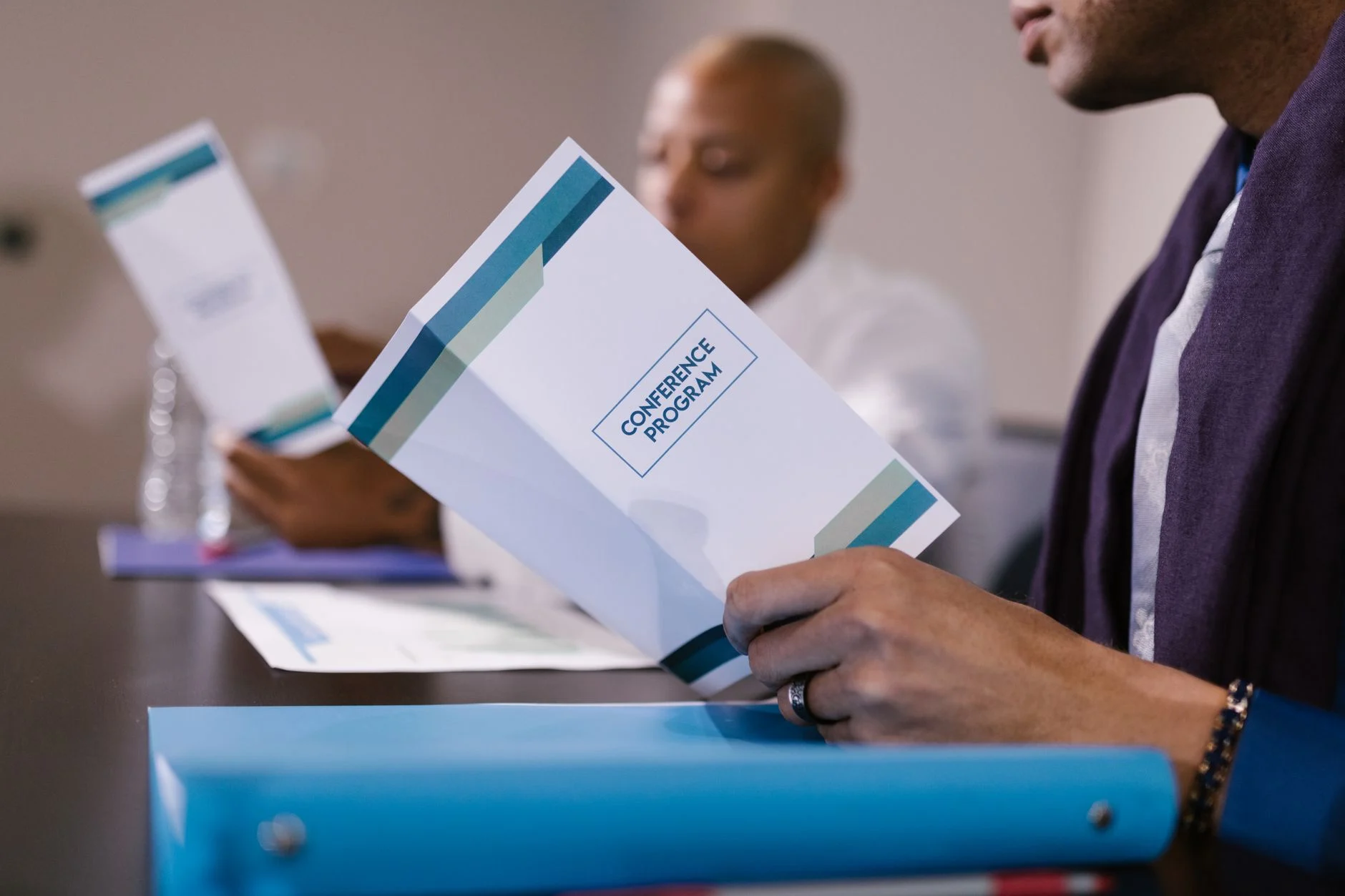
- Pharmacology Breakdown: Check the pre-conference brochure for a clear itemization of pharmacology hours versus general clinical hours.
- Evaluation and Certificates: Ensure you understand the deadline for completing post-event evaluations to download your official CE certificate.
For nurse practitioners advancing into specialized roles or expanding their clinical scope, understanding foundational training pathways outlined in resources like how to become a nurse practitioner helps contextualize advanced continuing education needs.
Comparing National and Regional NP Conferences
Selecting between a large national convention and a smaller regional symposium involves weighing cost, networking scale, and educational focus. The following comparison highlights structural differences between these event categories:
| Feature | National Conferences | Regional and State Conferences |
|---|---|---|
| Typical Attendance | Thousands of clinicians nationwide | Hundreds of regional or state clinicians |
| Regulatory Focus | Broad national trends, federal policy, and broad clinical guidelines | State-specific scope of practice, local laws, and regional health issues |
| CE and Pharmacology Output | High volume of total contact hours and diverse pharmacology tracks | Moderate contact hours with targeted pharmacology workshops |
| Networking Scale | Extensive national networking and large exhibitor halls | Local peer connections and regional clinical collaboration |
How Conference Credits Fit Into Your Renewal Requirements
Earning contact hours at major professional events is only the first step; proper documentation and alignment with your specific licensing board rules are essential. State boards of nursing maintain independent audit criteria, requiring licensees to retain certificates of completion, session objectives, and proof of attendance for a set number of years following renewal.

If you hold a multistate license or single-state licenses in multiple jurisdictions, you must verify whether a specific state accepts out-of-state ANCC-accredited provider credits without extra administrative hurdles. Most state boards accept ANCC-accredited provider units, but a small number mandate specific mandatory courses such as human trafficking identification, controlled substance prescribing laws, or state-specific jurisprudence.
Planning Your Continuing Education Budget
Attending professional events requires balancing registration fees, travel expenses, and lodging against your annual professional development budget. Many employers offer educational stipends or professional leave days for clinical staff who attend accredited national meetings. When planning your attendance, take advantage of early-bird registration windows, membership discounts offered by professional associations, and virtual registration tiers that eliminate airfare and hotel costs while still granting full CE credit for livestreamed sessions.
Selecting the Ideal Event for Your Clinical Specialty
When evaluating nurse practitioner conferences 2026, the primary filter should always be your specific patient population and clinical focus. Large-scale national events often provide a broad overview suitable for generalists, but they may lack the granular detail required for niche roles. For instance, if you practice in psychiatric-mental health, prioritize conferences that feature dedicated tracks on psychopharmacology or neurobiology, as these sessions are more likely to offer the specialized contact hours required for your specific certification renewal.
Conversely, acute care and emergency nurse practitioners may find more value in state or regional meetings that provide hands-on procedural workshops. These smaller settings often allow for better interaction with instructors, which is critical when learning new physical assessment techniques or diagnostic interpretations. Always check the event’s preliminary agenda for session titles that match your current clinical challenges, such as managing complex comorbidities or interpreting specific laboratory panels.

Checklist for Evaluating Conference Accreditation
Before finalizing your registration for any of the upcoming nurse practitioner CE conferences, use this checklist to ensure the credits will be accepted by your state board of nursing:
- Confirm Provider Accreditation: Verify that the conference is approved by an organization recognized by your state board, such as the American Nurses Credentialing Center (ANCC) or the American Association of Nurse Practitioners (AANP).
- Review Credit Types: Distinguish between general contact hours and pharmacology-specific hours. Not all CE hours count toward the pharmacology requirement for prescriptive authority.
- Check State-Specific Mandates: Determine if your state requires specific topics—such as opioid prescribing, ethics, or domestic violence training—that may not be covered in standard national conference curricula.
- Verify Documentation: Ensure the provider offers a clear, downloadable certificate of completion that includes the provider’s accreditation number and the exact number of contact hours awarded.
Virtual vs. In-Person Attendance Considerations
The rise of hybrid and virtual formats has made NP conferences in 2026 more accessible than ever, but it is important to understand how your state board views these formats. Most state boards of nursing now accept virtual CE credits as equivalent to in-person attendance, provided the activity is accredited by an approved provider. However, some jurisdictions may limit the total number of home-study or online hours you can apply toward a single renewal cycle.
When opting for a virtual track, ensure you have a reliable way to verify your attendance. Many platforms track your login time or require you to complete post-session quizzes to prove engagement. If you are relying on these credits for license renewal, keep digital copies of your certificates in a secure, backed-up location, as you will need to produce them immediately if your license is selected for a random audit.
Next Steps for Professional Development
To prepare effectively for the upcoming calendar year, review your specific licensing board renewal cycle and identify any specialized pharmacology or clinical hours you need to acquire. Visit official association portals to check abstract submission dates, secure early-bird pricing, and verify that your selected sessions meet all applicable accreditation standards before committing funds.
Frequently Asked Questions
How many CE hours can I earn at a typical NP conference?
A multi-day national nurse practitioner conference typically offers between 15 and 30 contact hours depending on whether you attend pre-conference workshops and post-event recorded sessions. Regional and state-level symposia usually offer between 8 and 15 contact hours over a weekend.
Do all state boards of nursing accept out-of-state conference CEs?
Most state boards of nursing accept continuing education credits issued by ANCC-accredited providers, regardless of where the conference took place. However, certain states require specific mandatory courses on local topics such as controlled substance laws or domestic violence. Always verify your specific state board rules before relying on out-of-state credits.
What is the difference between general contact hours and pharmacology hours?
General contact hours apply to broad clinical knowledge, pathophysiology, diagnostics, and patient care management. Pharmacology hours are strictly dedicated to pharmacotherapeutics, drug administration, pharmacokinetics, and prescribing safety, which are mandatory for APRNs to maintain prescriptive authority.
How do I verify if a conference offers pharmacology-specific CE hours?
Check the official event brochure or session schedule for specific credit designations. Accredited providers must explicitly state the total number of contact hours and designate which individual sessions or total hours qualify as pharmacology credit.
Are virtual attendance options common for 2026 NP conferences?
Yes, live-streamed virtual and hybrid conference attendance is widely available for 2026 events. These formats count fully toward license renewal and board recertification, provided the event uses a verified attendance tracking mechanism and issues an official certificate with ANCC or AANP accreditation details.
About This Article
Written by the Nurse CE Hub Editorial Team. We base state requirements and certification details on official board of nursing and certifying-organization sources, linked within the article.
Rules and fees can change. Confirm current requirements with your state board of nursing or certifying organization before you renew or apply. This article is general information, not legal or professional advice. How we research our content