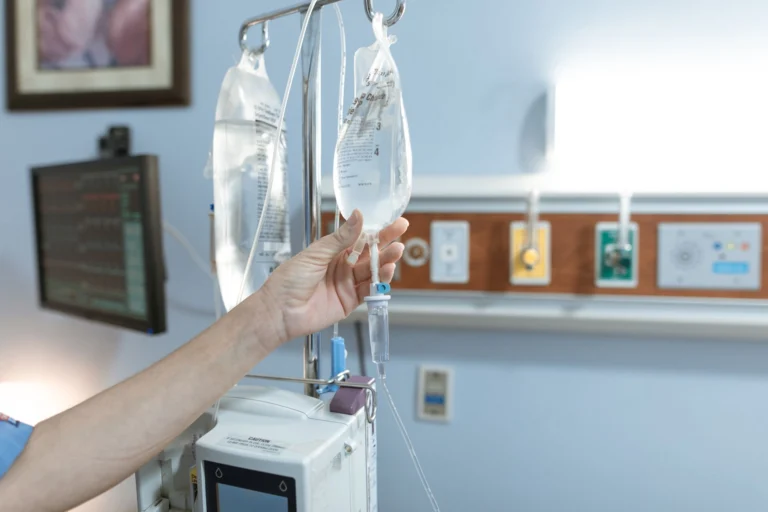
Acute Care NP Certificate Programs

Acute care np certificate programs are specialized post-graduate educational pathways designed for licensed advanced practice registered nurses seeking to expand their clinical scope into critical care environments. These programs provide targeted instruction in managing complex, unstable, and acutely ill patient populations across hospital and specialized unit settings. Because you already hold an advanced practice degree, these curricula bypass foundational graduate coursework, focusing strictly on pathophysiology, advanced assessment, and pharmacotherapeutics specific to acute or critical care specialties.
Choosing the right postgraduate pathway requires examining how institutions structure credit transfers, verify prior clinical competencies, and partner with regional healthcare systems for mandatory preceptor hours. Understanding these structural mechanics ensures you select an accredited curriculum that aligns with national certification standards set by bodies like the American Association of Critical-Care Nurses and the American Nurses Credentialing Center. For registered nurses exploring broader educational pathways before committing to a specialty track, reviewing online nursing certificate programs can provide helpful context on credit structures and distance-learning formats.
Core Program Pathways: Adult-Gerontology Versus Pediatric Acute Care
Post-master’s acute care NP certificate options are generally divided into two distinct patient-population tracks: Adult-Gerontology Acute Care Nurse Practitioner (AG-ACNP) and Pediatric Acute Care Nurse Practitioner (PNP-AC). Selecting the correct track depends entirely on your intended patient demographic, licensing requirements, and career goals within inpatient environments. Mixing these populations in clinical practice violates board certification parameters, making your initial program selection critical.
The Adult-Gerontology track focuses on young adults, older adults, and geriatric patients experiencing acute, critical, or complex chronic illnesses. You will train to manage hemodynamic instability, invasive monitoring lines, multi-organ failure, and surgical complications in intensive care units and emergency departments. Conversely, the pediatric acute care track concentrates exclusively on infants, children, and adolescents with severe, life-threatening acute conditions.
Reviewing how these specialized tracks differ from primary care roles can help clarify your scope. For instance, understanding the operational boundaries between family practice and adult-gerontology roles is detailed in our analysis on FNP vs Adult-Gerontology NP, highlighting why acute care tracks demand specific inpatient procedural competencies.

To help compare these distinct educational routes, the table below outlines their primary population foci, clinical environments, and governing certification bodies.
| Specialty Track | Target Patient Population | Primary Clinical Settings | Governing Certifying Bodies |
|---|---|---|---|
| Adult-Gerontology Acute Care (AG-ACNP) | Young adults, adults, and older adults with acute or critical illness | ICUs, trauma units, emergency departments, inpatient specialty services | AACN Certification Corporation, ANCC |
| Pediatric Acute Care (PNP-AC) | Neonates, infants, children, and adolescents with critical conditions | PICUs, NICUs, pediatric emergency rooms, acute inpatient units | ANCC, PNCB |
Curriculum Structure, Credit Counts, and Clinical Hour Requirements
Post-master’s programs do not start your education from scratch. Instead, academic institutions conduct a rigorous gap analysis of your previous master of science in nursing transcripts to determine which core advanced practice requirements—such as advanced pathophysiology, pharmacology, and physical assessment—transfer directly from your original degree.
If your previous coursework meets current national standards and was completed recently, you may only need to complete specialized acute care didactic courses and clinical practicums. Credit counts and program duration vary significantly by institution depending on how many core graduate nursing credits transfer over and whether you study full-time or part-time. To verify current program costs and length estimates, check with the specific university’s financial aid and registrar offices.
Clinical hour mandates represent the most logistically demanding component of any acute care nurse practitioner postgraduate certificate. National accreditation standards and certifying boards typically require a minimum of 500 supervised direct patient care clinical hours within the chosen acute care specialty. Securing preceptors in high-acuity environments like intensive care units or trauma centers requires careful coordination, and many universities expect you to assist in identifying qualified clinical sites that hold active institutional affiliation agreements with the school.
Evaluating Prerequisites and Credit Transfers
Navigating post masters acute care NP programs requires a structured approach to ensure your prior education is properly credited. Academic evaluators review your master’s transcripts against current certification requirements to identify any foundational coursework gaps.

- Request a formal transcript audit from your target institution before applying.
- Compare your prior advanced pathophysiology, pharmacology, and physical assessment course syllabi with current program prerequisites.
- Confirm the institution’s policy on course expiration timelines, as older credits may require remediation.
- Verify that clinical practice hours from previous degrees do not overlap with your mandatory acute care practicum requirements.
Understanding these transfer mechanics protects you from repeating redundant courses while highlighting exact areas where additional didactic study is required.
Board Certification Eligibility and Licensing Pathways
Completing your coursework and clinical hours establishes your eligibility to sit for national board certification examinations. For adult-gerontology acute care, you may apply for examination through the American Association of Critical-Care Nurses Certification Corporation or the American Nurses Credentialing Center via the ANCC official certification guidelines. Pediatric acute care graduates pursue certification through equivalent national boards such as the Pediatric Nursing Certification Board or the ANCC.
Passing one of these national board exams is a mandatory prerequisite for state licensure as an advanced practice registered nurse in your jurisdiction. State boards of nursing rely on national certification to verify that you possess the specialized competencies required to manage invasive procedures, ventilator management, and vasoactive infusions safely. Always verify that your chosen certificate program is recognized by your state board of nursing before enrollment to ensure seamless post-graduation licensure.
Evaluating and Choosing Among Program Options
Evaluating multiple acute care NP certificate options involves looking beyond promotional marketing materials and examining concrete educational mechanics. Start by requesting a formal individual transcript evaluation and gap analysis to see exactly how your prior graduate credits will apply without forcing you to repeat coursework.

Next, investigate the institution’s clinical placement support. Ask whether the university guarantees preceptor placement in acute care facilities or if you bear sole responsibility for securing hospital contracts. High-acuity clinical placements are fiercely competitive, and lack of institutional backing can significantly delay your graduation timeline.
Examine programmatic accreditation through recognized bodies such as the Commission on Collegiate Nursing Education or the Commission on Education for Nursing Accreditation. Accreditation status dictates your eligibility for federal financial aid, institutional credentialing, and board exam registration. Finally, review historical board certification pass rates and program completion metrics published by the school to gauge the quality of academic preparation.
Navigating Clinical Preceptor Requirements for Acute Care Placements
Securing supervised clinical hours in high-acuity environments remains one of the most significant hurdles when completing an acute care nurse practitioner postgraduate certificate. Unlike primary care settings where outpatient clinics readily accept advanced practice nursing students, intensive care units, trauma centers, and specialized surgical units often maintain stringent internal policies regarding student placements. Universities frequently require formal clinical affiliation agreements or legal contracts with healthcare systems before you can step foot onto a unit with a preceptor.
Preceptors must typically hold active board certification in the specific specialty track you are pursuing, such as the adult-gerontology acute care credential, alongside an unencumbered advanced practice registered nurse license and relevant clinical experience. Many academic programs require students to shoulder part of the burden in identifying potential preceptors who meet these institutional and accreditation criteria. Beginning this networking process months before your clinical rotations start prevents costly delays in your graduation timeline.
Understanding Board Certification Examination Parameters
Once you successfully finish your didactic coursework and clinical hours, you must pass a rigorous national board examination to secure your formal credentials. The American Association of Critical-Care Nurses Certification Corporation and the American Nurses Credentialing Center administer the primary examinations for adult-gerontology specialists, testing your competence in advanced diagnostics, hemodynamic management, and complex pharmacology. Pediatric acute care graduates face similar rigorous evaluations administered through equivalent national boards.

These examinations evaluate your ability to manage rapid clinical deterioration, interpret advanced diagnostic imaging and laboratory findings, and execute safe procedural interventions in high-stress environments. Passing the board exam is a mandatory statutory prerequisite for obtaining state-level advanced practice licensure. State boards of nursing review your official test results alongside your program transcripts to authorize your prescriptive authority and clinical scope within hospital networks.
Strategic Evaluation of Program Credit Transfers
Transferring credits from a prior master of science in nursing degree requires a systematic review of your historical academic transcripts by the target institution’s registrar and nursing faculty. Because post-master’s tracks build directly upon foundational graduate education, courses like advanced pathophysiology, physical assessment, and pharmacology taken within the last several years are frequently eligible for direct transfer, provided they meet current national accreditation benchmarks.
However, if your previous degree is older or lacks the specific focus required for critical care environments, academic evaluators may require bridge coursework or targeted remediation before you can enroll in advanced clinical modules. Requesting a formal transcript audit early in your research phase clarifies your exact credit obligations and protects you from redundant tuition expenses.
Next Steps for Prospective Students
Begin your transition by gathering your original MSN transcripts, course syllabi, and active unencumbered registered nurse and advanced practice licenses. Contact prospective academic departments to schedule a formal transcript gap analysis to determine your precise credit requirements. Verify that your state board of nursing officially recognizes the certifying bodies associated with your chosen specialty track before submitting applications.
Frequently Asked Questions
Who is eligible to enroll in acute care np certificate programs?
Enrollment is generally restricted to licensed advanced practice registered nurses, such as family nurse practitioners or clinical nurse specialists, who hold a master's or doctoral degree in nursing and wish to obtain an additional specialty certification.
How long do post masters acute care NP programs typically take to complete?
Program duration varies significantly by institution, depending on part-time or full-time enrollment and the specific structure of clinical rotations required by the academic department.
Do I need to repeat core advanced practice nursing courses for an acute care nurse practitioner postgraduate certificate?
Usually, no. Academic institutions perform a transcript gap analysis to evaluate your prior master's level advanced pharmacology, pathophysiology, and physical assessment courses, allowing you to focus exclusively on acute care specialty classes.
What certifying body administers the exam for acute care nurse practitioners?
Adult-gerontology acute care certification exams are administered by the American Association of Critical-Care Nurses Certification Corporation and the American Nurses Credentialing Center, while pediatric tracks utilize equivalent specialized national boards.
How are clinical site placements managed for working nurses?
Many academic institutions require students to collaborate with faculty to identify approved clinical preceptors and facilities. Because high-acuity intensive care units have strict affiliation requirements, verifying a university's placement support before enrollment is essential for timely graduation.
About This Article
Written by the Nurse CE Hub Editorial Team. We base state requirements and certification details on official board of nursing and certifying-organization sources, linked within the article.
Rules and fees can change. Confirm current requirements with your state board of nursing or certifying organization before you renew or apply. This article is general information, not legal or professional advice. How we research our content