Acute Care Nurse Practitioner
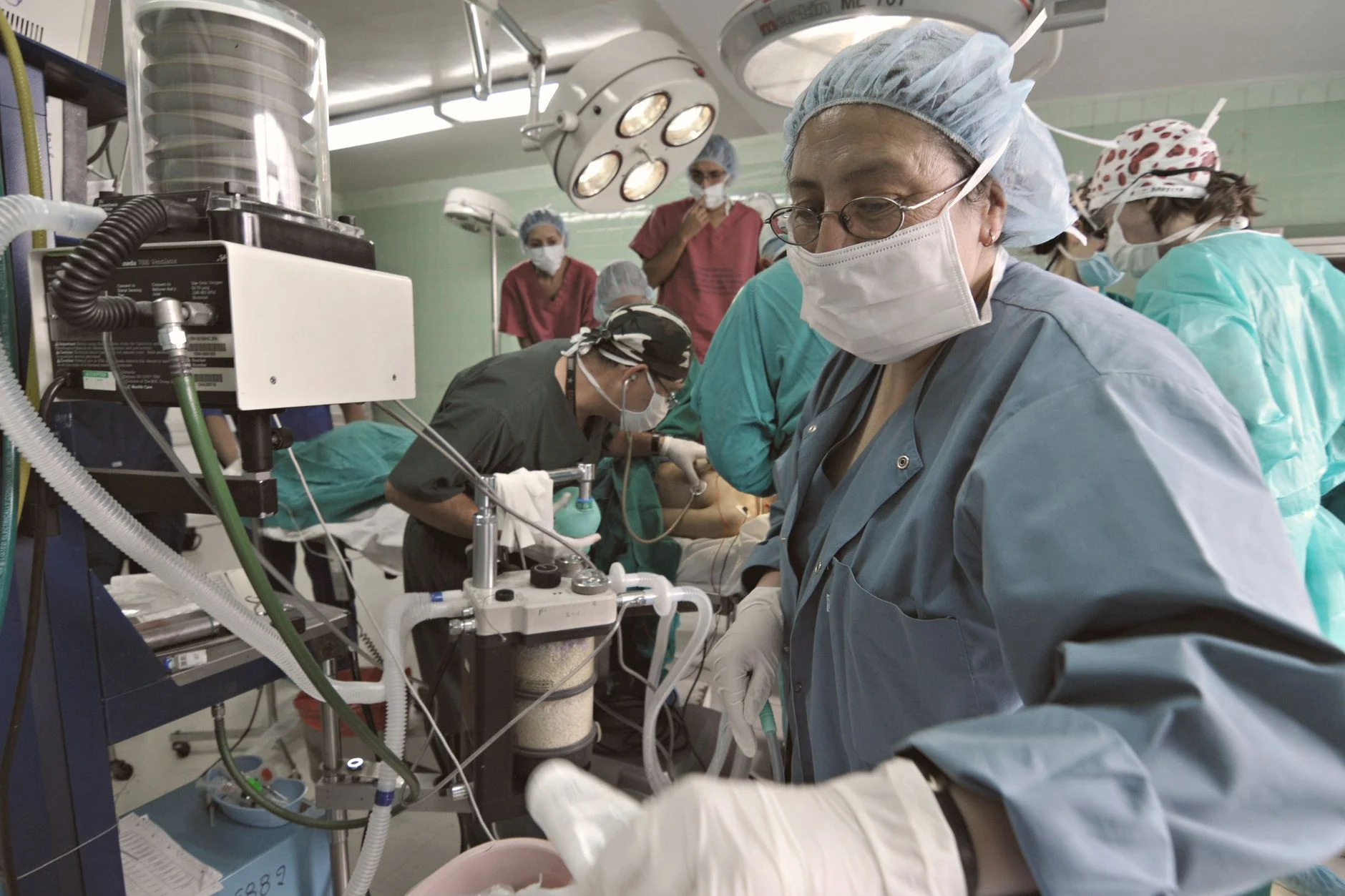
An acute care nurse practitioner is an advanced practice registered nurse who provides specialized, comprehensive care to patients with complex, unstable, or acute critical conditions. Operating primarily in inpatient hospital units, emergency departments, trauma centers, and specialized intensive care units, these clinicians manage unstable physiological states, perform invasive clinical procedures, and coordinate multi-disciplinary medical interventions.
Understanding the exact responsibilities, educational milestones, and licensing pathways helps clinicians evaluate this career path. Whether you are transitioning from bedside critical care or planning graduate studies, knowing how the acute care nurse practitioner role differs from primary care is essential for scope-of-practice compliance and career development.
Understanding Population Focus versus Practice Specialty
Advanced practice nursing education distinguishes between a patient population focus and a practice specialty. National certifying boards and nursing regulatory bodies evaluate APRN credentials based on these distinct educational boundaries rather than institutional department assignments.
The population focus for most inpatient critical care practitioners is Adult-Gerontology, spanning young adults through geriatric populations. The practice specialty defines the setting and acuity level—specifically acute care rather than primary care. An Adult-Gerontology Acute Care Nurse Practitioner is trained specifically for unstable, episodic, and complex physiological states, whereas a primary care provider focuses on long-term health maintenance, chronic disease management in outpatient settings, and preventative care.
For a broader view of advanced nursing roles, review what is a nurse practitioner to understand how educational tracks branch into different clinical specialties.
Core Responsibilities in Inpatient and High-Acuity Settings
The acute care nurse practitioner role centers on managing acutely ill patients experiencing multi-organ system failure, severe trauma, or acute surgical recovery. Daily clinical responsibilities typically involve performing comprehensive physical assessments, formulating differential diagnoses, ordering and interpreting advanced diagnostic tests, and managing mechanical ventilation or hemodynamic monitoring.
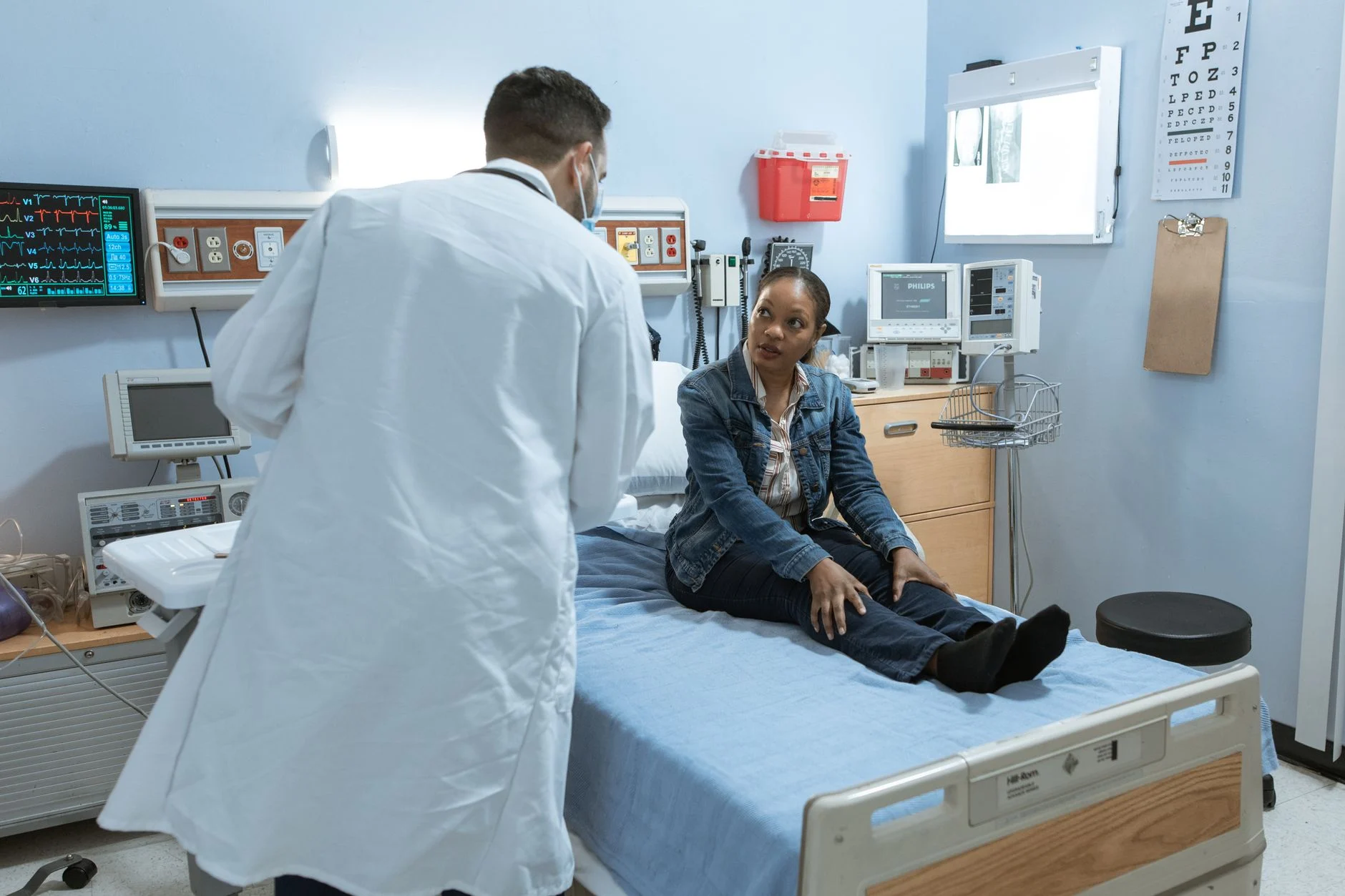
These clinicians also perform diagnostic and therapeutic procedures within their accredited scope of practice, such as central line placement, arterial line insertion, lumbar punctures, and thoracentesis. Because inpatient units operate around the clock, schedules often involve shift rotations, night shifts, and on-call duties depending on the employing hospital system.
To evaluate how these responsibilities compare with other clinical pathways, examine how to become a critical care nurse or review nurse practitioner vs physician assistant scope comparisons.
| Feature | Acute Care Nurse Practitioner | Primary Care Nurse Practitioner |
|---|---|---|
| Primary Practice Setting | Inpatient units, ICUs, emergency departments, trauma centers, specialty clinics | Outpatient private practices, community health centers, ambulatory clinics |
| Patient Acuity | Unstable, complex, critical, or rapidly deteriorating physiological states | Stable, chronic disease management, wellness visits, preventative care |
| Core Focus | Episodic stabilization, procedural intervention, short-term critical management | Long-term health continuity, chronic disease optimization, preventative education |
Acute Care Nurse Practitioner Education Requirements
Meeting acute care nurse practitioner education requirements begins with holding an active, unencumbered registered nurse license and earning a Bachelor of Science in Nursing. Graduate programs leading to advanced practice licensure are offered at the Master of Science in Nursing or Doctor of Nursing Practice level.
Curricula focus heavily on advanced pathophysiology, advanced pharmacotherapeutics, and comprehensive physical assessment tailored to high-acuity patient populations. In addition to didactic coursework, graduate programs require supervised direct patient care clinical hours completed in specialized environments such as medical, surgical, or cardiovascular intensive care units under the direct supervision of qualified clinical preceptors. Prospective students should review specific institutional program guidelines alongside national board criteria to understand exact hour thresholds and rotational prerequisites.
How to Become an Acute Care Nurse Practitioner
Entering this advanced specialty requires completing a structured, multi-step progression from general bedside nursing to certified autonomous practice.

- Maintain RN Licensure: Earn an initial nursing degree, pass the NCLEX-RN, and maintain an active, unencumbered registered nurse license.
- Gain Bedside Experience: Work in high-acuity inpatient settings such as intensive care units, emergency departments, or step-down units to build strong foundational assessment and critical thinking skills.
- Complete an Accredited Graduate Program: Enroll in and graduate from a master’s or doctoral program with a dedicated acute care population focus, ensuring all supervised clinical hour requirements are fulfilled.
- Pass a National Certification Exam: Apply for and pass a board certification examination administered by a recognized national certifying organization.
- Secure State Licensure and Practice: Apply for APRN state licensure, obtain a National Provider Identifier, and complete institutional credentialing before beginning clinical practice.
Before applying to graduate school, review how to become a nurse practitioner to understand general admission prerequisites and national educational standards.
National Certifications and Continuing Education Pathways
Upon graduation from an accredited graduate program, candidates must pass a national board examination to establish legal eligibility for advanced practice licensure. National certification options for adult-gerontology acute care include credentials administered by the American Nurses Credentialing Center and the American Association of Critical-Care Nurses (AACN), which set rigorous certification standards for acute care practice. Maintaining these credentials requires ongoing professional development, clinical practice hours, and structured continuing education contact hours aligned with renewal cycles.
Licensed clinicians must also verify state-specific requirements governing prescriptive authority, controlled substance registration, and collaborative practice agreements. To explore prescriptive rules across different jurisdictions, examine can a nurse practitioner prescribe medication. For earning professional credits during license renewal, clinicians should select accredited continuing education providers that meet state board documentation rules.
Practical Next Steps
If you are planning a transition into high-acuity advanced practice, begin by reviewing your state board of nursing APRN guidelines and identifying accredited graduate tracks matching your career goals. Evaluate your current bedside clinical hours, speak with advanced practice clinicians in your facility’s intensive care units, and verify prerequisite coursework before submitting graduate applications.
Navigating Outpatient Settings and Specialized Clinic Roles
While inpatient critical care units remain the primary environment for advanced practice clinicians, an acute care nurse practitioner frequently extends clinical expertise into specialized outpatient environments. Complex chronic illness management often transitions patients from intensive care units into structured outpatient clinics, such as advanced heart failure clinics, post-transplant services, and multidisciplinary pulmonary rehabilitation centers. In these specialized ambulatory settings, clinicians evaluate recovering surgical patients, adjust heavy pharmacotherapy regimens, and monitor deteriorating baseline trajectories to prevent avoidable hospital readmissions.
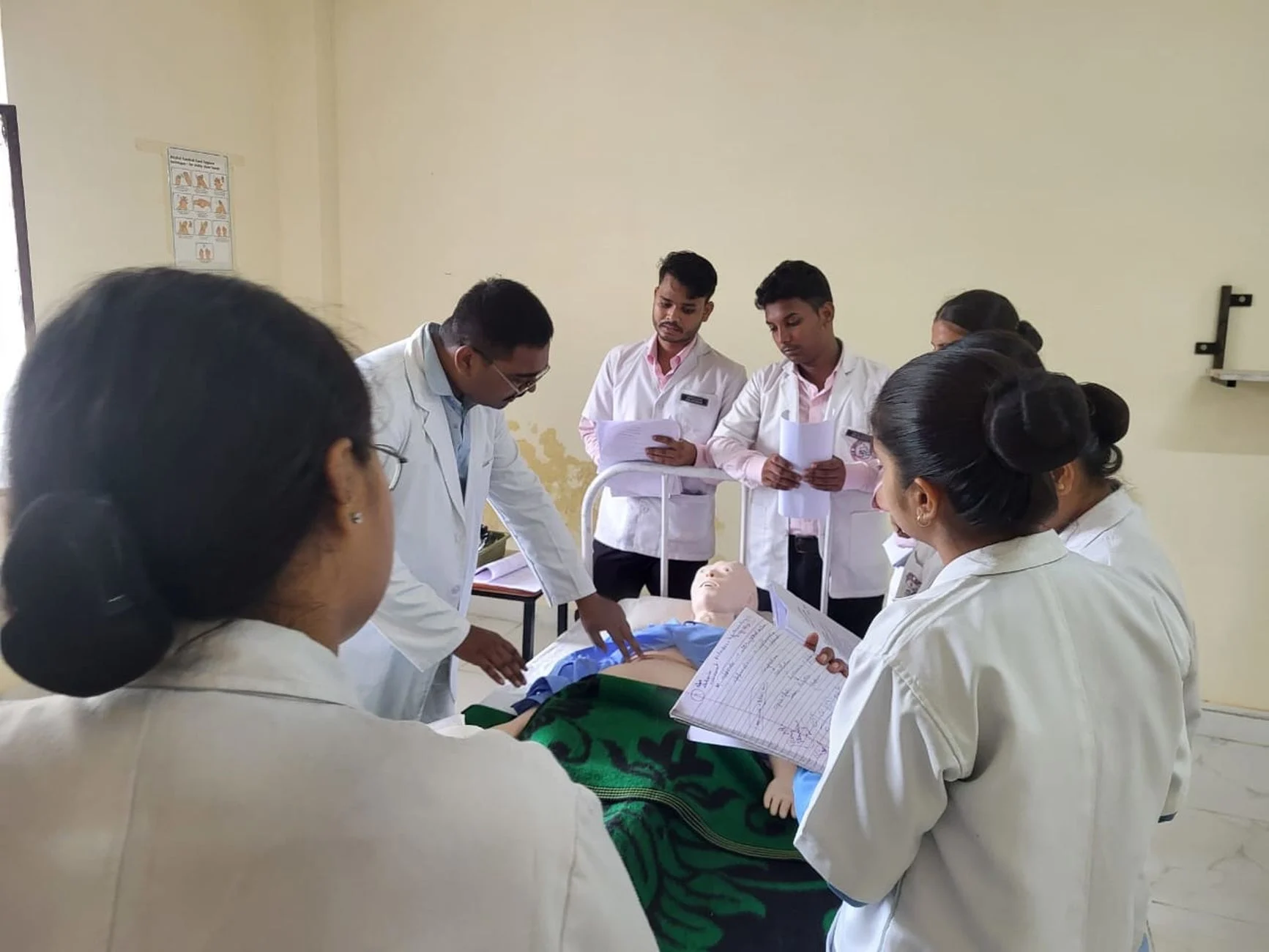
Practicing in an outpatient specialty clinic differs significantly from primary care practice. Rather than providing broad health maintenance and episodic wellness screenings, these specialty outpatient units focus entirely on single-organ system optimization and chronic critical illness stabilization. Understanding these distinct practice environments ensures that clinicians practice within approved regulatory parameters while meeting institutional credentialing standards.
Clinical Hour Prerequisites and Graduate Program Benchmarks
Meeting graduate program admissions and graduation criteria requires fulfilling rigorous clinical hour thresholds established by national nursing education standards. Graduate tracks specializing in high-acuity practice mandate hundreds of hours of direct, supervised patient care in specialized inpatient units. These hours must be completed alongside qualified advanced practice preceptors who hold active credentials in the appropriate specialty population.
When evaluating program structures, prospective students should examine how clinical rotations are arranged across various high-acuity settings:
- Medical Intensive Care Units: Direct management of septic shock, acute respiratory distress syndrome, and multi-organ dysfunction syndrome.
- Surgical and Trauma Units: Post-operative recovery management, invasive line maintenance, and acute hemorrhagic shock resuscitation.
- Cardiovascular Units: Hemodynamic monitoring, vasoactive drip titration, and management of acute myocardial infarctions.
Fulfilling these requirements bridges theoretical pathophysiology with autonomous clinical decision-making, ensuring graduates possess the technical and diagnostic competencies required for safe bedside practice.
Frequently Asked Questions
What is the difference between acute care and primary care nurse practitioners?
Acute care nurse practitioners manage unstable, complex, or critically ill patients primarily in inpatient hospital settings, ICUs, and emergency departments. Primary care nurse practitioners focus on health maintenance, preventative care, and managing stable chronic conditions in outpatient clinics and ambulatory settings.
What clinical experience is required before entering an acute care NP program?
Most graduate programs and national certifying bodies recommend or require at least one to two years of recent full-time RN experience in high-acuity environments, such as medical, surgical, or cardiovascular intensive care units, to build the foundational assessment skills required for graduate study.
Which certification exam should an acute care nurse practitioner take?
Graduates of accredited adult-gerontology acute care programs typically take certification exams offered by the American Nurses Credentialing Center or the American Association of Critical-Care Nurses to establish board certification eligibility for state APRN licensure.
Can an acute care nurse practitioner work in outpatient clinics?
Yes, while their primary training prepares them for inpatient hospital environments, acute care nurse practitioners frequently work in specialized outpatient clinics, such as heart failure clinics, trauma follow-up centers, and acute surgical follow-up practices.
How many clinical hours are typically required in an acute care NP program?
Graduate programs require supervised direct patient care clinical hours completed in high-acuity inpatient settings under the direct supervision of qualified clinical preceptors, with exact totals varying by institutional curriculum.
About This Article
Written by the Nurse CE Hub Editorial Team. We base state requirements and certification details on official board of nursing and certifying-organization sources, linked within the article.
Rules and fees can change. Confirm current requirements with your state board of nursing or certifying organization before you renew or apply. This article is general information, not legal or professional advice. How we research our content