Trauma Nurse Certification (TCRN)
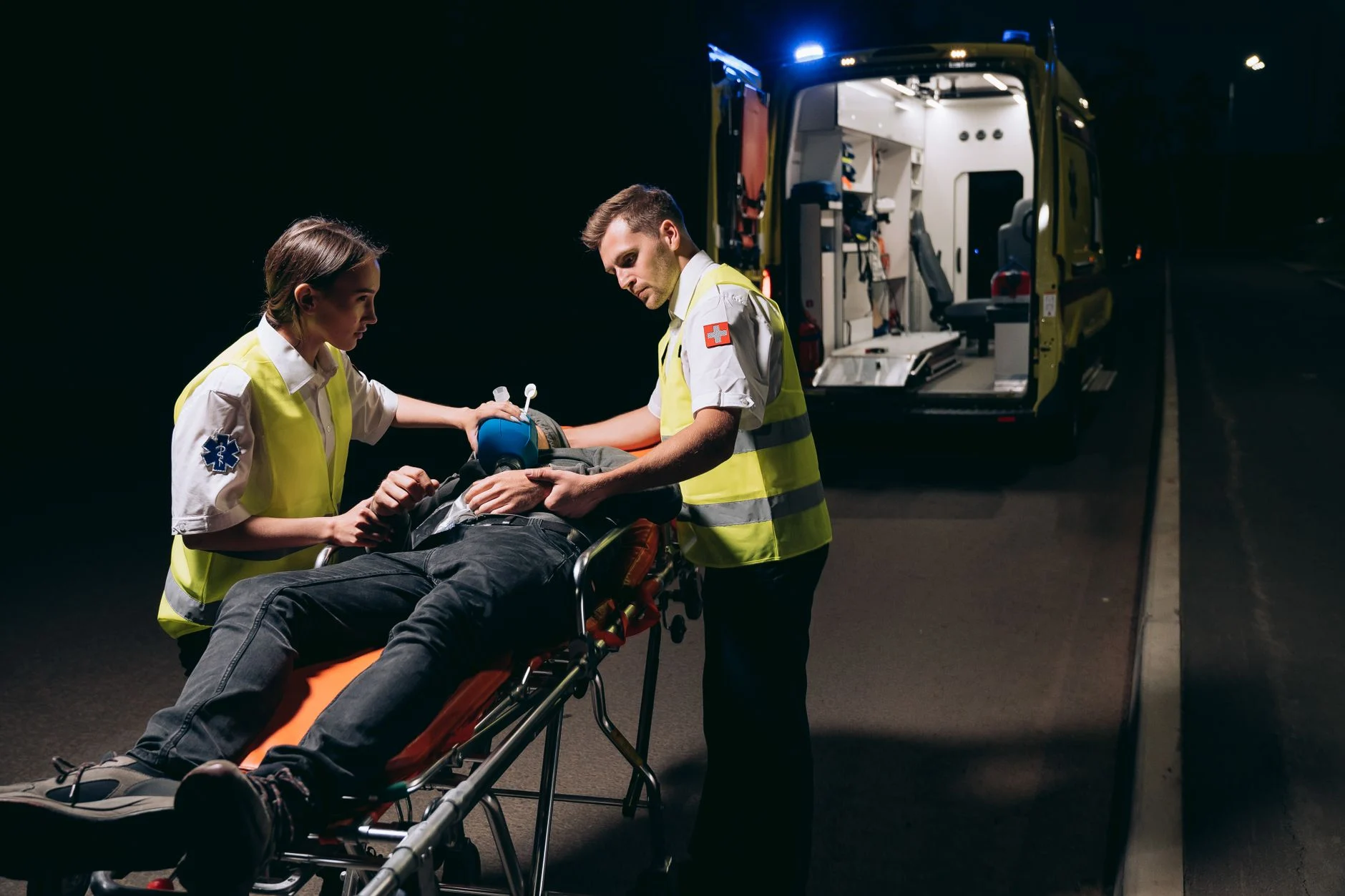
The Trauma Certified Registered Nurse (TCRN) credential is a specialty certification for nurses who provide care to trauma patients across the continuum of care. It is administered by the Board of Certification for Emergency Nursing (BCEN). Unlike certifications that focus on a specific clinical setting, the TCRN covers the entire scope of trauma nursing, including injury prevention, pre-hospital care, acute care, rehabilitation, and post-acute care.
Obtaining this trauma nurse certification demonstrates a standardized level of knowledge in trauma nursing practice. It is a voluntary credential and is not a legal requirement for employment, even in designated trauma centers, though some organizations may prefer or incentivize it for career advancement. As an independent resource, we provide this overview to help you determine if the TCRN aligns with your professional goals, independent of the certification body’s marketing.
TCRN vs. Other Certifications
Nurses often choose between various emergency and critical care credentials. The following table differentiates the TCRN from other common emergency nursing credentials based on clinical utility.
| Certification | Primary Clinical Focus | Typical Practice Setting |
|---|---|---|
| TCRN | Trauma-specific care across the continuum | Trauma centers, ED, ICU, OR |
| CEN | General emergency nursing (all ages/conditions) | Emergency Department |
| CCRN | Physiological stability in critical care | ICU, CCU |
While the CEN focuses on the broad scope of emergency department care—including medical, surgical, and pediatric emergencies—the TCRN is specifically dedicated to the trauma patient. You might consider the CCRN certification guide if your primary practice is in a critical care unit, as that credential emphasizes physiological stability and organ support in the ICU setting.

Eligibility: Do you qualify?
To be eligible for the TCRN certification, you must hold a current, unrestricted registered nurse (RN) license in the United States or its territories. There is no requirement to work in a Level I trauma center; however, the BCEN recommends that candidates have clinical experience in trauma nursing to ensure they have the foundational knowledge required for the exam.
Regarding clinical hour requirements, the BCEN suggests a baseline of 1,000 to 3,000 hours of trauma nursing experience. It is important to clarify that this is a recommendation rather than a strict eligibility cutoff. Your experience should involve direct patient care, including assessment, intervention, and evaluation of trauma patients. Always consult the current BCEN handbook for the most accurate details on application prerequisites and documentation.
Exam Preparation: A realistic roadmap
The TCRN exam covers several content domains, including head, neck, and spine trauma, thoracic and abdominal trauma, and genitourinary and orthopedic trauma. It also tests knowledge on psychosocial issues and trauma program management.
Effective preparation involves more than just purchasing a single course. Consider these actionable study strategies:

- Analyze the Blueprint: Download the official exam content outline to conduct a self-assessment. Map your current clinical experience against the domains to identify areas needing deeper review.
- Leverage Clinical Guidelines: Supplement your study with evidence-based trauma guidelines, such as those published by the Eastern Association for the Surgery of Trauma (EAST) or the American College of Surgeons (ACS) Committee on Trauma.
- Active Recall: Instead of passive reading, use question banks to simulate the exam environment. Focus on the rationale for both the correct and incorrect answers to understand the clinical logic required.
- Peer Case Reviews: Discuss complex trauma cases with colleagues. Explaining the pathophysiology and management of a patient to another nurse is one of the most effective ways to solidify your knowledge.
Maintenance: Recertification and CEs
The trauma certified registered nurse credential is valid for four years. To maintain your certification, you must meet specific requirements before your expiration date. You can recertify by either passing the exam again or by completing continuing education (CE) contact hours and professional development activities.
If you choose the CE pathway, ensure your activities are directly relevant to trauma nursing. You are responsible for maintaining accurate documentation of your CE certificates, as you may be audited by the certifying body. Always verify the current recertification handbook, as policies regarding the number of required hours and acceptable activities can shift in each cycle.
Distinguishing Trauma-Specific Certification from Emergency Nursing
A common point of confusion for clinicians is determining whether they need the CEN or the TCRN. While both are administered by the same certifying body, their clinical focus differs significantly. The CEN is a broad-based credential that validates knowledge across the entire spectrum of emergency medicine, including medical emergencies, psychiatric crises, and environmental hazards. In contrast, the TCRN certification is laser-focused on the trauma patient, covering the continuum of care from the moment of injury through resuscitation, surgical intervention, and rehabilitation.

If you work in a high-acuity emergency department where trauma constitutes a large percentage of your patient volume, the TCRN provides a deeper, more specialized validation of your skills. However, if your role requires managing a diverse array of non-trauma patients—such as those presenting with cardiac, neurological, or pediatric medical emergencies—the CEN may offer a more comprehensive reflection of your daily practice. Many experienced nurses eventually pursue both to demonstrate versatility in both general emergency and specialized trauma care.
Clinical Hour Requirements and Eligibility Realities
One of the most frequent questions regarding trauma nursing certification requirements is whether a specific type of facility is mandatory for eligibility. The answer is no. You do not need to be employed at an American College of Surgeons (ACS) verified Level I trauma center to qualify for the exam. The certifying body focuses on your exposure to trauma care rather than the trauma designation level of your institution.
The recommended 1,000 to 3,000 hours of experience are intended to ensure you have encountered a sufficient variety of patient presentations to succeed on the exam. If you work in a smaller community hospital, you can still meet these requirements by documenting your involvement in the care of trauma patients, including those who are stabilized and transferred to higher levels of care. It is essential to keep a personal log of your clinical hours and the types of trauma cases you have managed, as this documentation is invaluable if you are ever asked to verify your experience during the application process.
Strategic Preparation for the TCRN Certification Exam
Preparing for the TCRN certification requires a disciplined approach that moves beyond simple memorization. Because the exam tests your ability to synthesize information, your study roadmap should prioritize clinical reasoning. Start by reviewing the exam content blueprint to identify your knowledge gaps. If you feel confident in orthopedic trauma but struggle with the nuances of trauma program management or the psychosocial impact of injury, allocate more of your study time to those specific domains.

Utilize a mix of resources to build a well-rounded foundation:
- Evidence-Based Practice Guidelines: Familiarize yourself with current clinical practice guidelines from recognized trauma organizations. Understanding the rationale behind these guidelines is more important than memorizing specific protocols.
- Case-Based Learning: Reflect on your own patient encounters. When you see a complex trauma case, analyze the care provided against standard trauma nursing practices. Ask yourself why specific interventions were prioritized over others.
- Simulated Testing: Use high-quality question banks to practice answering multiple-choice questions under timed conditions. This helps you become accustomed to the exam’s format and improves your ability to identify the most critical information in a clinical scenario.
Remember that the trauma certified registered nurse exam is designed to test your mastery of the entire trauma continuum. By focusing on the “why” behind each intervention, you will be better prepared to apply your knowledge to the varied scenarios presented on the exam.
Professional and Financial Considerations
Before committing to the exam, investigate whether your facility offers financial support. Many hospitals provide reimbursement for certification fees as part of their professional development programs. Check your internal policies or speak with your nurse manager to see if your organization covers the cost of the exam or provides bonuses for obtaining specialty credentials. Additionally, consider the long-term impact on your career; while the TCRN is voluntary, it serves as a powerful indicator of your commitment to excellence in trauma nursing, which can be a significant asset when applying for leadership roles or specialized trauma positions.
Next Steps for Trauma Nurses
Before applying, review your current clinical practice and long-term career goals. If you frequently care for trauma patients, this certification can validate your expertise and provide a structured way to stay current with trauma care standards. Check with your employer regarding potential reimbursement; many hospitals offer financial support for certification fees, which currently range from $285 for STN members to $380 for non-members, depending on your professional organization status.
Frequently Asked Questions
What is the difference between the TCRN and the CEN?
The TCRN focuses specifically on the trauma patient across the entire continuum of care, from injury prevention to rehabilitation. The CEN is a broader credential that covers the general scope of emergency nursing, including medical, surgical, and trauma emergencies seen in the emergency department.
Do I need to work in a Level I trauma center to be eligible for the TCRN?
No, you do not need to work in a Level I trauma center to be eligible. The requirement is a current, unrestricted RN license. While clinical experience with trauma patients is highly recommended to pass the exam, the BCEN does not mandate employment at a specific trauma center level.
What are the clinical hour requirements for the TCRN?
There is no strict minimum number of hours mandated for eligibility. However, the BCEN suggests a baseline of 1,000 to 3,000 hours of trauma nursing experience to ensure you possess the necessary clinical knowledge to pass the examination successfully.
How much does the TCRN exam cost and can I get reimbursed?
As of late 2026, the exam fee is $285 for members of the Society of Trauma Nurses (STN) and $380 for non-members. Many employers offer tuition or certification reimbursement programs; check your hospital's human resources or professional development policy to see if these fees are covered.
How long does the TCRN certification last?
The TCRN certification is valid for four years. To maintain the credential, you must complete the recertification process before your expiration date, which involves either passing the exam again or completing a required number of continuing education contact hours and professional development activities.
About This Article
Written by the Nurse CE Hub Editorial Team. We base state requirements and certification details on official board of nursing and certifying-organization sources, linked within the article.
Rules and fees can change. Confirm current requirements with your state board of nursing or certifying organization before you renew or apply. This article is general information, not legal or professional advice. How we research our content