Labor and Delivery Nurse Career and Certification Guide
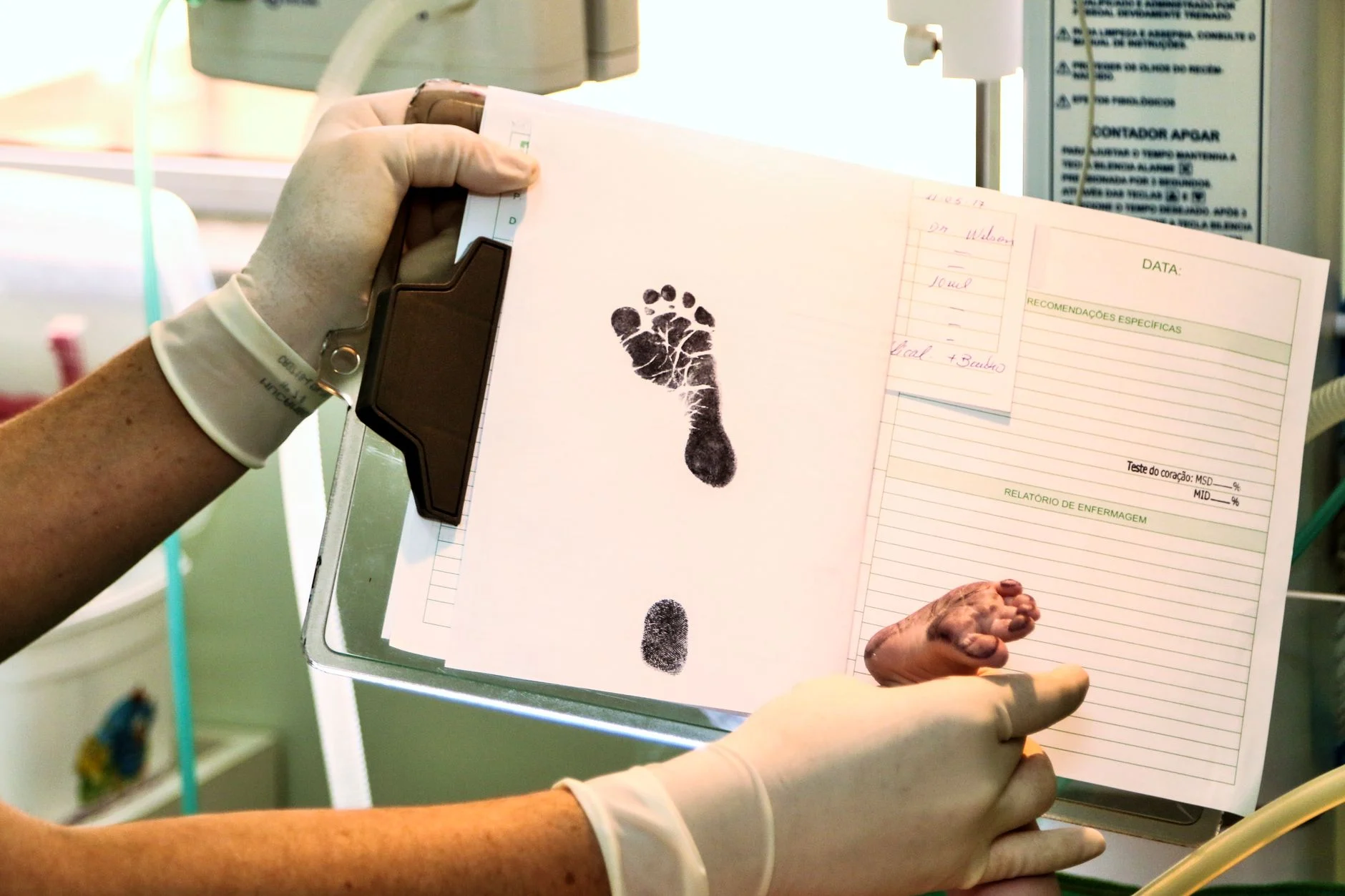
A labor and delivery nurse provides specialized care to patients during the antepartum, intrapartum, and immediate postpartum periods. This role requires high-level clinical assessment skills, the ability to interpret complex fetal monitoring data, and the capacity to support families during the birthing process. As an essential member of the maternal-child healthcare team, you must be prepared to manage both routine labor and emergency obstetric interventions. This labor and delivery nurse career and certification guide provides the roadmap for entering this specialty and maintaining your professional credentials.
Core Labor and Delivery Nurse Duties
The primary labor and delivery nurse duties involve continuous assessment of the laboring patient and the fetus. You are responsible for identifying changes in fetal heart rate patterns, managing labor induction or augmentation, and assisting obstetricians or midwives during vaginal deliveries and emergency cesarean sections. Unlike general medical-surgical nursing, this specialty requires you to care for two patients simultaneously, necessitating rapid prioritization and clinical judgment.
Your daily responsibilities often include:
- Continuous monitoring of uterine activity and fetal heart rate.
- Administration of medications, including oxytocin or magnesium sulfate.
- Assisting with epidural placement and monitoring for maternal response.
- Immediate neonatal resuscitation and stabilization following birth.
- Providing emotional support and advocacy to patients and their families.
How to Become a Labor and Delivery Nurse
The roadmap for how to become a labor and delivery nurse begins with obtaining a nursing degree, either an Associate Degree in Nursing (ADN) or a Bachelor of Science in Nursing (BSN). While some hospitals hire ADN-prepared nurses, many Magnet-designated facilities prioritize BSN-prepared candidates. If you are currently a student, prioritize clinical rotations in maternal-child units to build your professional network and gain exposure to the unit culture.
After graduation, seek out new graduate residency programs specifically designed for labor and delivery. These programs provide the structured mentorship necessary to bridge the gap between academic theory and the high-acuity reality of the unit. If a direct-hire position is unavailable, many nurses gain foundational experience in a medical-surgical unit or a postpartum unit first. This experience helps you develop time management and assessment skills that are essential when you eventually transition to an L&D unit.

The Labor and Delivery Nursing Career Path
The labor and delivery nursing career path is distinct from other maternal-child specialties. While postpartum nursing focuses on recovery and education after birth, and NICU nursing focuses on the care of the critically ill or preterm newborn, L&D nursing centers on the active process of labor and birth. As you progress, you may choose to pursue advanced roles, such as becoming a clinical nurse specialist, a nurse practitioner, or a certified nurse-midwife. Understanding these distinctions is vital for long-term career planning, as the skill sets for these roles vary significantly.
Certification and Continuing Education
Professional certification is a voluntary step that validates your expertise and is distinct from mandatory state licensure. While your state nursing license allows you to practice, certifications like those offered by the National Certification Corporation (NCC) represent voluntary professional standards. It is vital to distinguish between general hospital-specific credentialing—where a facility may require you to maintain internal competencies like NRP or ACLS—and national professional certification, which is recognized across the country.
Furthermore, you must distinguish between state-mandated continuing education (CE) for license renewal and the professional development points required to maintain a specialty certification. State-mandated CE hours are required to keep your active RN license, whereas NCC certification maintenance points are specific, evidence-based requirements to keep your specialty credential current. These points often require specific clinical activities or approved educational programs as outlined in the NCC certification standards.
Comparison of NCC Certifications
| Certification | Clinical Focus | Primary Purpose |
|---|---|---|
| RNC-OB | Inpatient Obstetric Nursing | Validates comprehensive expertise in labor and delivery care. |
| C-EFM | Electronic Fetal Monitoring | Focuses on the interpretation of fetal heart rate and uterine data. |
Always verify your specific state’s Registered Nurse Career Guide requirements to ensure your CE activities satisfy both your license and your professional goals. For those interested in broader maternal-child health, exploring a Nurse Educator Certification may also provide additional career flexibility.

Practical Next Steps
To succeed in this specialty, focus on building your clinical foundation early. If you are a new graduate, prioritize residency programs that offer extended orientation periods. Once you are established in the unit, aim to sit for the C-EFM exam within your first two years of practice to solidify your monitoring skills. Finally, keep a personal log of your continuing education and certification maintenance points to ensure you never lapse on your credentials. By staying proactive with your learning, you ensure that your practice remains aligned with current evidence-based standards.
Navigating Certification Renewal and Maintenance
Maintaining your professional standing is a continuous process that extends well beyond passing an initial exam. For labor and delivery nurses, the National Certification Corporation (NCC) requires a structured maintenance cycle to ensure clinicians remain current with evolving obstetric practices. Unlike general state licensure, which focuses on public safety and scope of practice, specialty certification maintenance demonstrates a commitment to evidence-based care in a high-acuity environment.
To keep your RNC-OB or C-EFM credential active, you must participate in the Maintenance of Certification (MOC) program. This process typically involves a combination of continuing education and professional development activities. It is essential to track your hours carefully; NCC provides a specific portal for logging these credits. You should distinguish between general contact hours, which satisfy state board requirements, and specialty-specific points that count toward your NCC renewal. Always verify your renewal cycle dates in your NCC account profile to avoid a lapse in your certification status.

Tracking Your Continuing Education
Effective tracking is the most reliable way to manage your credentials without last-minute stress. Create a dedicated folder—digital or physical—for all certificates of completion. When selecting activities, prioritize programs that offer accredited contact hours, as these are universally accepted by state boards and certifying bodies. If you are balancing multiple certifications, such as C-EFM and RNC-OB, check if your educational activities can be applied to both. Many high-quality CE providers allow you to designate credits toward specific certification domains, maximizing the value of your study time.
Clinical Decision-Making for New Graduates
The transition into a labor and delivery unit requires more than just clinical knowledge; it demands the development of rapid assessment skills. New nurses often find that the most challenging aspect of the role is the shift from stable patient care to managing the unpredictable nature of childbirth. During your orientation or residency, focus on mastering the unit’s specific protocols for obstetric emergencies, such as shoulder dystocia or umbilical cord prolapse. These rare but critical events require immediate, coordinated action from the entire team.
To build your confidence and competence, utilize the following preparation checklist:
- Master Fetal Monitoring: Prioritize understanding fetal heart rate patterns and uterine activity early in your career.
- Seek Mentorship: Identify senior nurses who are willing to discuss complex patient cases and the rationale behind their interventions.
- Participate in Simulation: Engage in unit-based mock codes and emergency drills to practice your response to obstetric crises.
- Review Evidence-Based Guidelines: Regularly consult resources from professional organizations to stay updated on best practices for labor management.
- Document Diligently: Learn the specific documentation requirements for your unit, as accurate record-keeping is vital for both patient safety and legal protection.
By focusing on these areas, you build a foundation that supports long-term success in the specialty. Remember that expertise is developed over time through a combination of hands-on experience, ongoing education, and reflective practice. Whether you are just starting or looking to advance your career, staying engaged with the latest research and professional standards will ensure you remain a highly skilled and effective member of the maternal-child healthcare team.
Frequently Asked Questions
Do I need a BSN to work in L&D?
While many hospitals prefer or require a Bachelor of Science in Nursing (BSN) for labor and delivery positions, it is not a universal legal requirement for RN licensure. However, Magnet-designated facilities or highly competitive units often prioritize BSN-prepared candidates during the hiring process.
What is the difference between RNC-OB and C-EFM certifications?
The RNC-OB (Inpatient Obstetric Nursing) certification demonstrates comprehensive knowledge of the entire labor and delivery process. The C-EFM (Electronic Fetal Monitoring) certification focuses specifically on the clinical skill of interpreting fetal heart rate patterns and uterine activity, as defined by the National Certification Corporation.
How often do I need to renew my L&D certification?
NCC certifications generally require renewal every three years. You must maintain your credential by earning specific maintenance points as defined by the National Certification Corporation. These requirements are separate from your state-mandated CE hours for license renewal.
Is L&D certification required to work in the unit?
No, national specialty certification is voluntary and not required by state boards of nursing to work in an L&D unit. However, many hospitals require specific internal competencies, such as Advanced Cardiac Life Support (ACLS) and the Neonatal Resuscitation Program (NRP), and may provide incentives or require certification after a certain number of years of experience.
How do I track my CE hours for certification renewal?
You should maintain a personal log of all completed continuing education activities, including the course title, provider, date of completion, and the number of contact hours or maintenance points earned. The NCC provides specific guidelines on what types of activities qualify for their maintenance points, which may differ from the CE requirements for your state nursing license.
About This Article
Written by the Nurse CE Hub Editorial Team. We base state requirements and certification details on official board of nursing and certifying-organization sources, linked within the article.
Rules and fees can change. Confirm current requirements with your state board of nursing or certifying organization before you renew or apply. This article is general information, not legal or professional advice. How we research our content