CCRN vs PCCN: Patient Acuity, Eligibility, and Exam Choice

CCRN Direct Care focuses on critically ill, unstable patients; PCCN focuses on acutely ill, moderately stable patients at risk of becoming unstable. Your unit’s name alone does not determine eligibility. See AACN’s official CCRN/PCCN comparison and the current pathway handbooks, checked October 7, 2026.
CCRN Vs PCCN: The Main Difference
For nurses working in high-acuity settings, pursuing board certification is a significant milestone in professional development. When evaluating CCRN vs PCCN, the primary factor is the acuity of the patient population you serve. Both certifications are offered by the American Association of Critical-Care Nurses (AACN), but they are designed for distinct practice environments.
The CCRN certification is intended for nurses who manage acutely and critically ill patients in areas such as intensive care units. In contrast, the PCCN credential focuses on nurses working with patients who are at high risk for clinical deterioration but do not necessarily require the intensity of a critical care unit. Understanding these nuances is essential when choosing CCRN or PCCN for your career advancement.
Comparing Patient Acuity And Environments
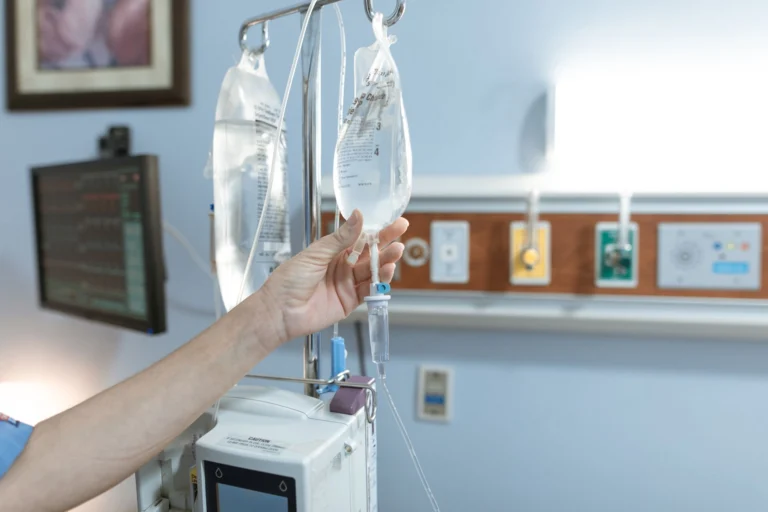
The core difference between critical care vs progressive care certification lies in the stability of the patient. Critical care environments involve patients with complex, unstable physiology who often require advanced life support, invasive monitoring, and frequent titration of vasoactive medications. CCRN-certified nurses are experts in managing these high-intensity situations where physiological instability is the norm.
Progressive care units, often referred to as step-down, telemetry, or transitional care units, house patients who are stable enough to leave the ICU but still require closer monitoring than a general medical-surgical floor. PCCN-certified nurses focus on early recognition of subtle changes in patient status, preventing the need for ICU escalation. Assessing your daily clinical practice—specifically the level of monitoring and intervention required—will clarify which certification aligns with your current role.
Eligibility And Exam Requirements
Both certifications require a current, unencumbered RN or APRN license. Beyond licensure, the eligibility criteria differ based on clinical hours. For the CCRN, you must demonstrate clinical practice hours caring for acutely or critically ill patients. The AACN provides specific definitions for these hours, which must be completed in a US-based or equivalent facility.
When looking at PCCN vs CCRN eligibility, the PCCN also requires a specific number of clinical hours in a progressive care setting. Because these requirements can change, it is vital to consult the official AACN Certification Handbook before beginning your application. Ensuring your clinical hours meet the current standards is the first step in the certification process.
Exam Content And Preparation Strategies
The exams for these credentials reflect the patient populations they cover. The CCRN exam is heavily weighted toward cardiovascular, pulmonary, and endocrine systems, with a strong focus on hemodynamic monitoring and mechanical ventilation. Candidates must be prepared to answer questions regarding complex pathophysiology and acute interventions.
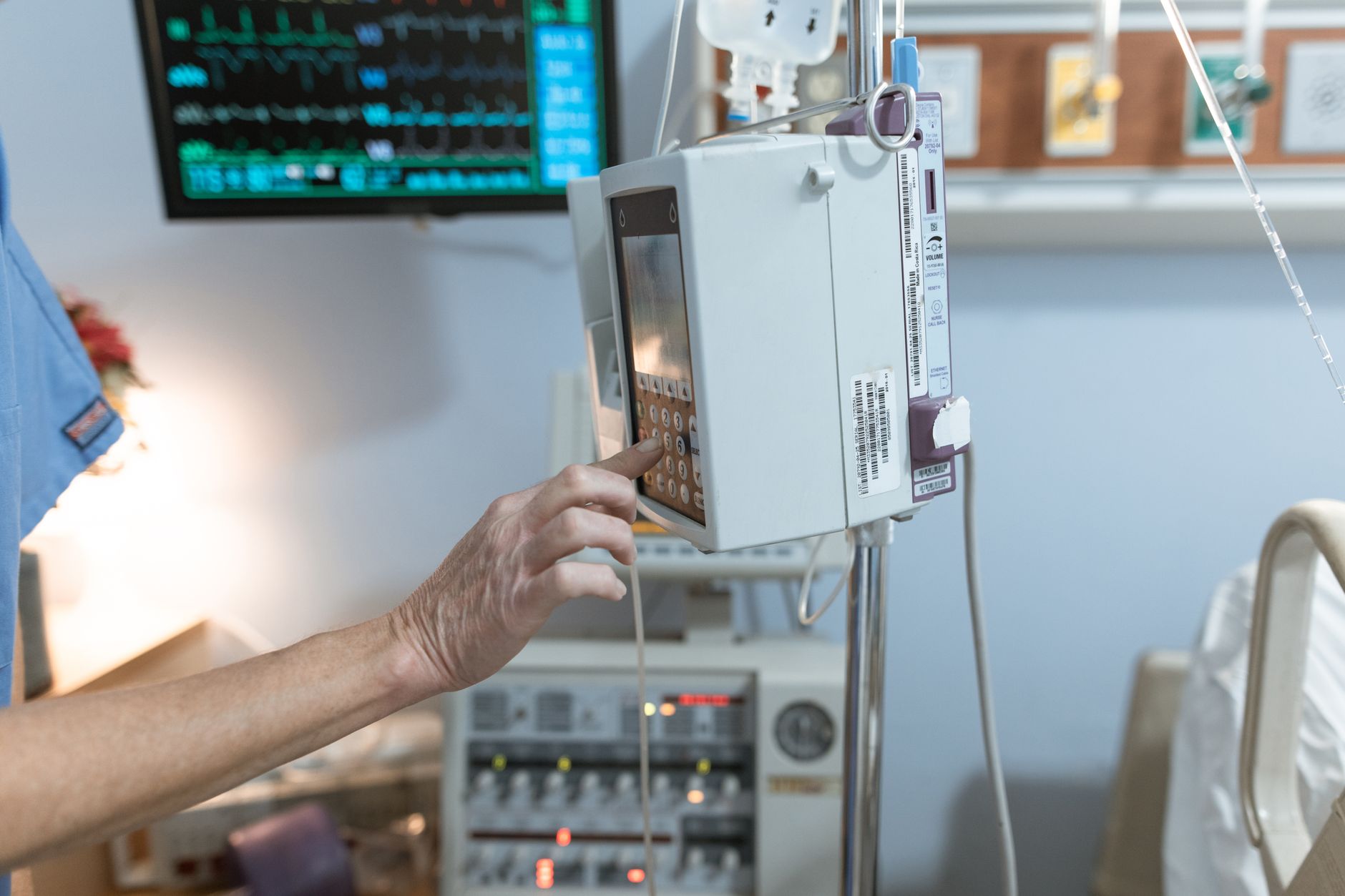
Conversely, the PCCN exam emphasizes telemetry interpretation, management of patients with stable chronic conditions, and the early identification of signs that a patient is trending toward instability. Candidates should utilize review books, practice exams, and professional development courses to prepare. Because the exams test clinical judgment, applying your daily experiences to the theoretical framework provided in study materials is an effective way to prepare for either test.
Impact On Career Development
Choosing between these certifications can influence your professional trajectory. A CCRN is often considered a standard for nurses seeking to transition into specialized critical care roles, flight nursing, or advanced practice programs like CRNA school. It signals a high level of competency in managing life-threatening conditions.
The PCCN is equally valuable for nurses who wish to demonstrate mastery of the progressive care environment. It validates your ability to manage complex telemetry patients and intervene during early clinical decline. Both certifications require renewal every three years, which helps ensure that your clinical knowledge remains current with the latest evidence-based practices.
Decision Framework For Certification
If you are still weighing your options, consider these three questions to guide your decision:
- Where do you spend the majority of your clinical time? Compare patient acuity rather than the unit name alone. AACN bases eligibility on the patients you care for, and placement can vary across facilities.
- What are your long-term career goals? If you aim for ICU-specific roles or advanced anesthesia programs, prioritize the CCRN. If you enjoy the rhythm and patient population of progressive care, the PCCN offers excellent professional recognition.
- What does your facility prefer? Some hospitals offer incentives or reimbursement for specific certifications. Check with your unit manager or clinical educator to see if your facility prioritizes one over the other.
Commitment To Excellence
Regardless of which path you choose, obtaining board certification is a testament to your dedication to patient safety and clinical excellence. It demonstrates to your peers, management, and patients that you have met a rigorous, nationally recognized standard of knowledge. As healthcare continues to evolve, maintaining these credentials ensures that you remain at the forefront of nursing practice, capable of delivering high-quality care in an increasingly complex medical landscape.
Navigating The Financial And Institutional Benefits
Beyond the clinical expertise gained, many nurses evaluate the financial and professional incentives associated with these certifications. It is worth investigating your current employer’s policy regarding certification pay or clinical ladder advancement. Many healthcare systems offer a salary differential or a one-time bonus for nurses who achieve and maintain board certification. Because both credentials are nationally recognized, they often serve as key metrics for hospitals seeking Magnet status or other quality designations.

Furthermore, the investment in certification goes beyond the initial exam fee. You must also factor in the costs of continuing education units (CEUs) required for renewal. Both certifications require a commitment to lifelong learning, which keeps you updated on the latest clinical guidelines. Consider which credential aligns better with the educational resources your facility already provides, such as in-house review courses or subscription access to nursing journals.
Strategic Timing For Your Certification Journey
Timing your certification is just as important as selecting the right exam. Many nurses wait until they have reached the minimum required clinical hours, but you can begin your preparation long before you are eligible to sit for the test. Reviewing the exam blueprints early in your career can help you identify knowledge gaps in your daily practice. For instance, if you are working in a progressive care unit but aspire to move to the ICU, familiarizing yourself with critical care concepts can make your eventual transition smoother.
Consider your current workload and personal life balance. Both exams require significant study time, often spanning several months of dedicated preparation. It is often beneficial to align your study schedule with a period of relative stability in your professional life. If you are currently undergoing a major unit transition or a change in shift, you might consider delaying your exam date until you have settled into a consistent routine.
Evaluating The Depth Of Clinical Knowledge
The distinction between certifications is fundamentally about the depth and breadth of the physiological systems you are expected to master. While there is significant overlap in the core nursing concepts—such as ethics, professional caring, and patient advocacy—the clinical application differs. CCRN candidates are tested on their ability to manage life-sustaining interventions, whereas PCCN candidates are tested on their ability to detect subtle clinical trends that indicate a patient is no longer stable enough for a step-down environment.
To help you decide, use the following checklist to evaluate your daily clinical focus:
- Monitoring: Do you manage invasive hemodynamic lines (arterial lines, CVP, PA catheters) daily? If yes, the CCRN is likely your target.
- Pharmacology: Do you frequently titrate vasoactive drips or manage complex mechanical ventilation? If yes, focus on CCRN preparation.
- Observation: Do you focus on early warning signs, telemetry monitoring, and preventing patient decline? If yes, the PCCN is a strong match for your expertise.
- Stability: Are your patients generally stable enough to participate in their own care, or are they largely dependent on life support? This is the primary indicator of whether to pursue critical care or progressive care certification.
Frequently Asked Questions
Can I hold both CCRN and PCCN certifications?
Yes, you can hold both certifications if you meet the eligibility requirements for each. However, most nurses choose the one that most closely aligns with their current clinical practice and long-term career goals.
Which certification is more difficult, CCRN or PCCN?
Difficulty is subjective and depends on your clinical experience. The CCRN focuses on the management of unstable, critically ill patients, while the PCCN focuses on progressive care and telemetry. Both exams require rigorous study of the respective patient populations.
How often do I need to renew my CCRN or PCCN?
Both credentials have three-year renewal cycles. Meet the current license and pathway-specific practice requirements, then use the applicable Synergy CERP or exam renewal route. Check AACN’s current renewal handbook for your credential and pathway.
Do CCRN and PCCN certifications offer the same number of contact hours?
Certification renewal requirements are specific to the credential. You should always verify the current renewal criteria for your specific certification through the official AACN website to ensure you are meeting the required contact hours and clinical practice standards.
Related CCRN And Career Guides
- CCRN Clinical Hours and Eligibility
- CCRN Exam and Study Guide
- CCRN Exam and Renewal Fees
- Nursing Career and Certification Hub
About This Article
Written by the Nurse CE Hub Editorial Team. We base state requirements and certification details on official board of nursing and certifying-organization sources, linked within the article.
Rules and fees can change. Confirm current requirements with your state board of nursing or certifying organization before you renew or apply. This article is general information, not legal or professional advice. How we research our content