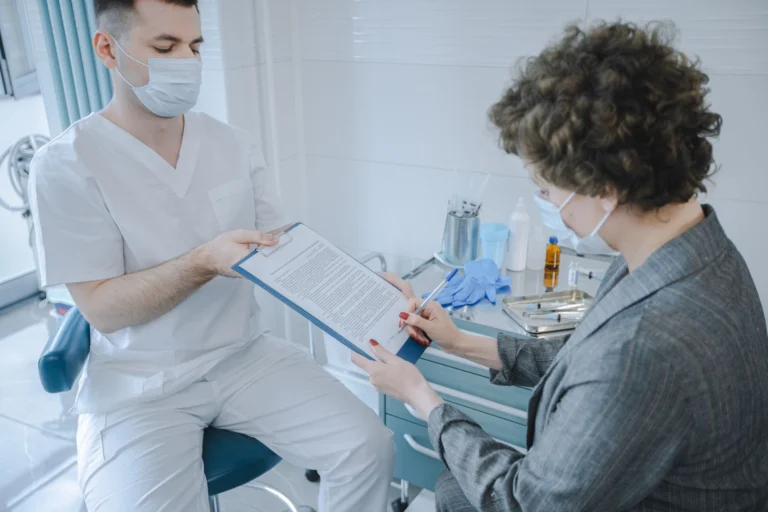
Pediatric Nursing Certification

Earning a pediatric nursing certification validates your clinical expertise and demonstrates a commitment to the specialized care of infants, children, and adolescents. In the United States, two primary organizations offer these credentials: the American Nurses Credentialing Center (ANCC) and the Pediatric Nursing Certification Board (PNCB). Choosing between them often depends on your specific clinical focus, your facility’s requirements, and your long-term career goals.
The ANCC offers the Pediatric Nurse Certification (PED-BC), which is a broad-based credential for RNs working in various pediatric settings. The PNCB offers the Certified Pediatric Nurse (CPN) credential, which is specifically designed for RNs who provide direct care to pediatric patients. While both signify high professional standards, they operate under different governance, eligibility criteria, and renewal structures.
| Feature | ANCC (PED-BC) | PNCB (CPN) |
|---|---|---|
| Focus | General Pediatric Nursing | Direct Pediatric Patient Care |
| Clinical Hours | 2,000 hours in past 3 years | 1,800 hours in past 2 years |
| Practice Requirement | 2 years full-time RN practice | 1,800 hours of pediatric experience |
Pediatric Nurse Certification Requirements
To qualify for either pediatric nursing certification, you must hold a current, active RN license in the United States or its territories. While both boards require documented clinical experience, the way you calculate these hours is critical. You should maintain a personal log of your clinical hours, including dates, facility names, and the specific pediatric populations served, to ensure you meet the eligibility thresholds defined by the ANCC Pediatric Nurse Certification eligibility page.

For the CPN, you must demonstrate 1,800 hours of pediatric clinical practice within the past two years. The ANCC requires 2,000 hours of practice within the past three years. If you are transitioning between specialties, ensure your hours reflect actual time spent at the bedside or in the direct clinical management of pediatric patients. For nurses who have recently transitioned to new roles, you may also find value in reviewing nursing career resources to understand how these credentials influence professional mobility.
Preparing for the Pediatric Nursing Certification Exam
The pediatric nursing certification exam serves as a comprehensive assessment of your clinical knowledge, ranging from growth and development to the management of acute and chronic conditions. Rather than relying on generic study guides, focus on the official exam content outlines provided by the certifying boards. These blueprints detail the percentage of questions assigned to specific domains, such as pathophysiology, family-centered care, and pharmacology.
Effective preparation involves reviewing current clinical guidelines and your facility’s evidence-based practice protocols. If you are currently working in a specialized area like emergency nursing, you might also consider how your experience aligns with other credentials, such as those discussed in the CEN Certification guide. For nurses who need to maintain their active license while studying, identifying how to get nursing CEUs can help you stay compliant with state requirements simultaneously.

Maintaining Your Credential
Certification is not a permanent status; it requires ongoing professional development to remain active. Both ANCC and PNCB require a mix of continuing education (CE) and professional practice hours for renewal. It is vital to distinguish between contact hours used for state license renewal and those required for your specialty certification. Always verify that your CE providers are accredited, as some boards have specific requirements regarding the type of activity that qualifies for recertification.
Renewal cycles typically occur every three to five years. Failing to meet these requirements can lead to the expiration of your credential, which may necessitate re-testing. Keep a organized folder—physical or digital—containing your certificates of completion, conference transcripts, and records of clinical practice hours. This documentation is essential should you be selected for a random audit by the certifying body.
Next Steps for Certification
- Verify eligibility: Review the most recent handbook from the ANCC or PNCB to confirm you meet the specific clinical hour and practice requirements.
- Select your path: Choose the credential that best aligns with your current clinical setting and professional development goals.
- Create a study plan: Use the official exam blueprint to identify knowledge gaps and allocate time for focused review.
- Document your hours: Start a formal log of your pediatric clinical hours today to simplify the application process when you are ready to apply.
Frequently Asked Questions
How long is the pediatric nursing certification valid?
Both ANCC and PNCB certifications are typically valid for a period of five years. You must meet specific professional development and clinical practice requirements during this timeframe to be eligible for renewal. It is the responsibility of the nurse to track their expiration date and complete the necessary renewal activities before the deadline to avoid a lapse in certification.
Can I take the exam before I have 2,000 hours of experience?
No. Both the ANCC and PNCB have strict eligibility requirements regarding clinical practice hours. You must document the required number of hours in pediatric patient care before you are permitted to sit for the examination. Attempting to apply without meeting these minimums will result in an incomplete application and may cause delays in your testing timeline.
Does my employer pay for this certification?
Many healthcare facilities offer tuition reimbursement or certification assistance programs as part of their benefits package. You should check with your unit manager or human resources department to see if your employer covers exam fees or provides bonuses for obtaining specialty certification. Some organizations also provide paid time off for study or exam preparation.
What is the difference between CE and contact hours for renewal?
In the context of certification, contact hours are a specific unit of measurement for continuing education, where one contact hour typically equals 60 minutes of educational activity. While often used interchangeably with CE, always check the specific terminology used by your certifying board. Ensure that the activities you choose meet the board's specific accreditation requirements for specialty renewal.
What happens if I fail the exam on the first attempt?
If you do not pass the exam, you are generally eligible to reapply after a waiting period defined by the certifying body. You will need to submit a new application and pay the required examination fee again. Most boards provide a score report detailing your performance by content area, which can help you focus your studies for your next attempt.
About This Article
Written by the Nurse CE Hub Editorial Team. We base state requirements and certification details on official board of nursing and certifying-organization sources, linked within the article.
Rules and fees can change. Confirm current requirements with your state board of nursing or certifying organization before you renew or apply. This article is general information, not legal or professional advice. How we research our content