Hospice Nurse Certification: CHPN Eligibility and Renewal
Earning a hospice nurse certification validates specialized expertise in end-of-life care, symptom management, and psychosocial support for patients and their families. For registered nurses and licensed practical nurses dedicated to palliative environments, professional credentialing demonstrates clinical competence and a deep commitment to high standards of comfort care. Achieving this milestone requires navigating specific eligibility pathways, documenting clinical practice hours, and passing a national examination administered by recognized certifying bodies.
Whether you are an experienced bedside clinician or transitioning into specialty care, understanding the various credentials available helps clarify your career trajectory. Palliative and end-of-life nursing spans multiple levels of licensure, meaning requirements and exam blueprints differ depending on whether you hold an RN, APRN, or LVN/LPN license.
Understanding Available Hospice and Palliative Credentials
Several distinct credentials serve nurses working in end-of-life care, each tailored to specific educational backgrounds and scopes of practice. The most widely recognized credential for registered nurses is the certified hospice and palliative nurse (CHPN) designation. This credential establishes a national standard for professional knowledge in pain and symptom management, disease trajectories, and ethical decision-making. By achieving this status, clinicians signal to employers and patient families that they have met rigorous, standardized benchmarks for excellence in the field.
Other credentials include certifications for advanced practice registered nurses, licensed practical and vocational nurses, nursing assistants, and hospice administrators. Selecting the correct credential depends strictly on your current state license type and the number of professional hours you have dedicated to palliative or hospice care within a designated timeframe.
Hospice Nursing Certification Requirements
Before applying for an exam, candidates must meet specific professional prerequisites set by the credentialing board. Meeting these hospice nursing certification requirements is a critical step in the professional journey. For the standard registered nurse examination, applicants must hold a current, active, unencumbered registered nurse license in the United States or its territories.
For CHPN eligibility, HPCC requires at least 500 hours of hospice and palliative RN practice in the latest 12 months OR 1,000 hours in the latest 24 months before application. Check the license and practice criteria in the official CHPN candidate handbook.
- Active RN licensure without disciplinary restrictions.
- Documented clinical practice hours in hospice and palliative nursing within the previous two years.
- Adherence to professional conduct standards and agreement with ongoing recertification policies.
Verifying exact eligibility hours and application windows directly through the official certifying body’s candidate handbook ensures your clinical experience qualifies before submitting fees. Documentation is vital; keeping an accurate log of your patient care hours early in your career can simplify the application process significantly.

Preparing for the Certification Exam
Success on a national examination relies on thorough preparation across multiple clinical domains. The exam blueprint typically covers comprehensive symptom assessment, disease management for terminal illnesses such as end-stage cardiac or pulmonary disease, and grief and bereavement support. Candidates should approach their study plan with the same dedication they bring to patient care.
Effective study strategies combine clinical experience with targeted review materials. Candidates often utilize practice questions, core curriculum textbooks, and continuing education modules focused on pain pharmacology and spiritual care. Setting up a structured study calendar several months in advance helps manage the extensive breadth of palliative care concepts. Many nurses find that forming or joining a study group provides additional accountability and diverse perspectives on complex clinical scenarios.
Clinical Competency and Professional Growth
Beyond the test itself, the process of obtaining certification fosters a deeper understanding of the holistic nature of end-of-life care. It encourages nurses to stay updated on the latest evidence-based practices regarding pain management, non-pharmacological interventions, and family-centered communication. As the demand for high-quality hospice care grows, certified professionals are increasingly valued for their ability to lead care teams and mentor junior staff.
Use certification preparation to identify gaps in your knowledge and plan relevant education. Certification does not by itself establish that an individual nurse will improve patient outcomes; evaluate clinical practice and education using appropriate evidence.
Maintaining and Renewing Your Credential
The CHPN credential has a four-year certification period. Renewal requires the Hospice and Palliative Accrual for Recertification (HPAR) process and the Situational Judgment Exercise (SJE), with applicable practice and professional-development requirements. Do not substitute a general contact-hour total or assume retaking the initial exam is the CHPN renewal route. Other HPCC credentials have different options. See HPCC’s credential-specific recertification instructions.
Keeping meticulous records of your continuing education certificates ensures a smooth renewal process when your recertification window opens. Always verify that your continuing education providers are accredited through accepted national bodies so your contact hours meet board specifications. Staying proactive about your renewal deadline prevents any lapse in certification, which could otherwise require you to re-apply from the beginning.
Strategic Career Planning for Hospice Professionals
Choosing the right time to pursue certification involves balancing your current clinical workload with your long-term professional goals. For many, the decision to seek credentialing occurs after reaching a specific milestone in clinical practice, such as completing one or two years of full-time experience in a palliative setting. This timeline allows you to gain the necessary exposure to diverse patient populations and complex symptom management scenarios that are heavily emphasized on national examinations.

Before you commit to an exam date, conduct a self-assessment of your clinical strengths and weaknesses. If you find that your daily practice focuses heavily on wound care or administrative tasks, you may need to dedicate extra time to studying advanced pain management pharmacology or the psychosocial aspects of bereavement. Mapping your current skills against the official exam content outline provided by the certifying body helps you identify knowledge gaps early, turning your study plan into a targeted professional development roadmap.
Decision Aid: Are You Ready for Certification?
Use the following checklist to evaluate your readiness to begin the formal application process for your chosen credential:
- Experience Threshold: Have you met the minimum number of hours in hospice or palliative care required by the certifying board?
- Clinical Exposure: Do you have consistent experience with interdisciplinary team meetings, goals-of-care discussions, and complex symptom management?
- Educational Foundation: Have you completed relevant continuing education units (CEUs) that align with the core competencies of the exam?
- Employer Support: Does your current organization offer financial reimbursement for exam fees or provide paid study time for staff seeking professional growth?
- Documentation: Do you have access to verifiable records of your practice hours, including dates, facility names, and supervisor contact information?
Leveraging Your CHPN Certification for Professional Advancement
Use your credential to document verified specialty knowledge when applying for relevant roles. Check each employer’s actual requirements for leadership, education, case management or quality positions. Our Nursing Career Resources guide helps you compare the experience and education a role requires.
Salary and advancement depend on employer policy, role requirements, experience and local conditions. Certification does not guarantee a pay increase. When planning education, use our free nursing CE verification checklist to check provider approval and documentation before relying on a course.
Navigating the Administrative Path to Certification
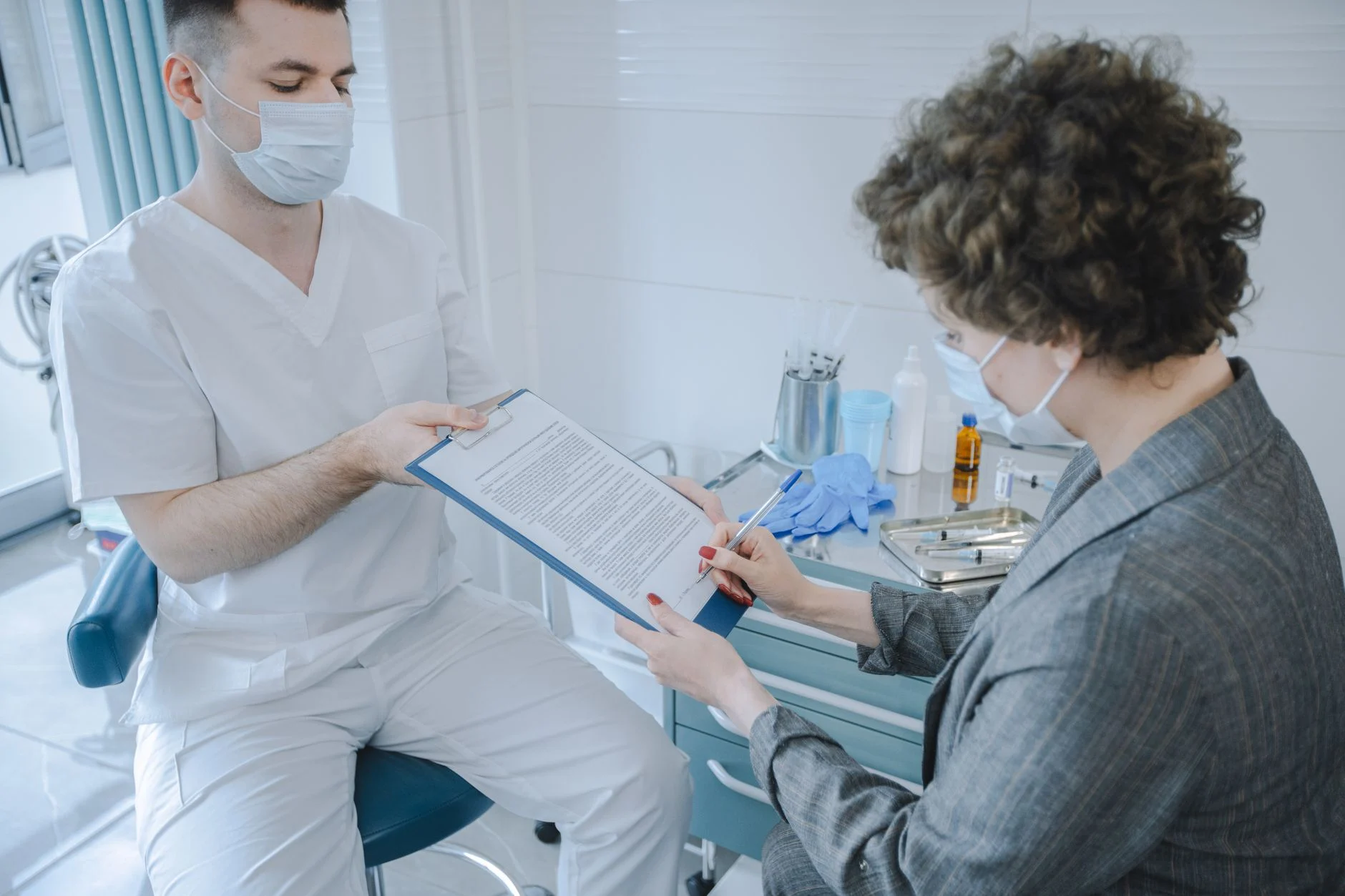
Successfully navigating the application phase requires attention to detail. Many candidates underestimate the time required to gather necessary documentation, such as proof of licensure and verification of clinical practice hours. Start by creating a dedicated folder—physical or digital—to store your continuing education certificates, performance reviews, and any documentation of specialized training you have received. This proactive approach eliminates the stress of searching for records when the application window opens.
Once your application is submitted and approved, focus your energy on the testing environment. Because these exams are often administered through secure, proctored testing centers, familiarizing yourself with the testing interface and the types of questions—such as multiple-choice items based on clinical vignettes—is essential. By treating the administrative and preparation phases with the same rigor you apply to patient care, you ensure that your journey toward professional recognition is as seamless and rewarding as possible.
Frequently Asked Questions
What is hospice nurse certification?
Hospice nurse certification is a voluntary credential that validates a registered nurse’s specialized knowledge, clinical skills, and commitment to providing high-quality end-of-life and palliative care.
Who is eligible to take the CHPN certification exam?
CHPN applicants must meet HPCC’s license criteria and have at least 500 hours of hospice and palliative RN practice in the latest 12 months, or 1,000 hours in the latest 24 months before application. Verify the full current candidate handbook before applying.
How often must hospice nursing credentials be renewed?
CHPN certification lasts four years. Renewal requires HPAR and the Situational Judgment Exercise, plus the applicable practice and professional-development requirements. Other hospice credentials use different renewal routes; check the instructions for your exact credential.
Are there certification options for LPNs in hospice care?
Yes, credentialing organizations offer specialized certification pathways for licensed practical and vocational nurses who work directly under the supervision of registered nurses in hospice and palliative settings.
Eligibility and renewal sources checked October 4, 2026.
Related Nursing Certification Guides
- Ambulatory Care Nursing Certification
- CCRN Requirements and Clinical Hours
- Verify Nursing CE Provider Approval
- Nursing Certification Resources
- Nursing Career Planning Resources
About This Article
Written by the Nurse CE Hub Editorial Team. We base state requirements and certification details on official board of nursing and certifying-organization sources, linked within the article.
Rules and fees can change. Confirm current requirements with your state board of nursing or certifying organization before you renew or apply. This article is general information, not legal or professional advice. How we research our content