How to Become a Critical Care Nurse

To become a critical care nurse, you must first earn a nursing degree (ADN or BSN), pass the NCLEX-RN exam to obtain licensure, and gain specialized clinical experience in a high-acuity environment. While an Associate Degree in Nursing (ADN) meets the minimum legal requirement for licensure, most hospitals prioritize Bachelor of Science in Nursing (BSN) graduates for Intensive Care Unit (ICU) positions. Many nurses enter the field through structured New Graduate Residency programs or by transitioning from acute care units like med-surg or telemetry.
Critical care nursing is a demanding specialty that requires a high degree of clinical judgment and technical proficiency. If you eventually plan to advance your career further, understanding how to become a nurse practitioner can help you map out your long-term educational goals while you gain your initial bedside experience in the ICU.
Educational Foundation and Licensure
The first step in the critical care nursing career path is completing an accredited nursing program. In the United States, you have two primary options for entry-level education:
- Associate Degree in Nursing (ADN): Usually a two-year program offered by community colleges. This is the fastest route to becoming an RN, but it may limit your employment options in large academic medical centers or Magnet-designated hospitals.
- Bachelor of Science in Nursing (BSN): A four-year university degree. The BSN is widely considered the preferred critical care nurse education and experience requirements baseline by hiring managers because it includes advanced training in leadership, research, and public health.
After graduation, you must pass the National Council Licensure Examination (NCLEX-RN). Once you pass, you apply for licensure through your state board of nursing. If you live in a state that is part of the Nurse Licensure Compact (NLC), you can apply for a multistate license, which allows you to practice in other compact states without obtaining additional licenses—a useful tool for travel nurses in critical care.
The Path to the ICU: Residencies and Clinical Experience
Historically, hospitals required nurses to work one to two years on a medical-surgical floor before applying to the ICU. While this is still a valid path, many modern healthcare systems now offer Critical Care New Graduate Residency programs. These programs provide 6 to 12 months of structured mentorship, didactic classes, and precepted clinical hours specifically designed to bridge the gap between nursing school and the high-stakes ICU environment.
If you are already an experienced nurse in another department, the transition requires a focus on hemodynamics, pharmacology (specifically titratable drips), and advanced assessment skills. When considering different types of nurse practitioners or advanced roles later in your career, the foundational skills you learn during an ICU residency will serve as a critical clinical base.
Required vs. Recommended Qualifications
| Qualification | Status | Purpose |
|---|---|---|
| RN License (ADN or BSN) | Mandatory | Legal authority to practice nursing. | Mandatory | National standard for competency. |
| BLS & ACLS | Mandatory | Basic and Advanced Cardiovascular Life Support. |
| ICU Residency | Recommended | Structured onboarding for new graduates. |
| CCRN Certification | Optional | Professional validation after 1,750 hours of practice. |
Understanding Critical Care Nurse Duties
To succeed in this role, you must understand the daily critical care nurse duties. Unlike med-surg units where a nurse may care for five or six patients, ICU nurses typically have a 1:1 or 1:2 patient ratio. This allows for the constant, minute-by-minute monitoring required for unstable patients.
Your daily responsibilities will include:
- Advanced Assessment: Monitoring neurological status, cardiac rhythms, and respiratory patterns every hour or more frequently.
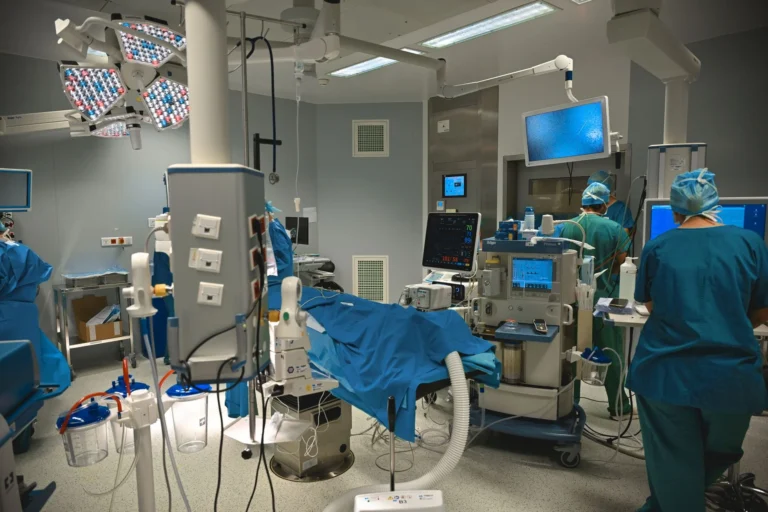
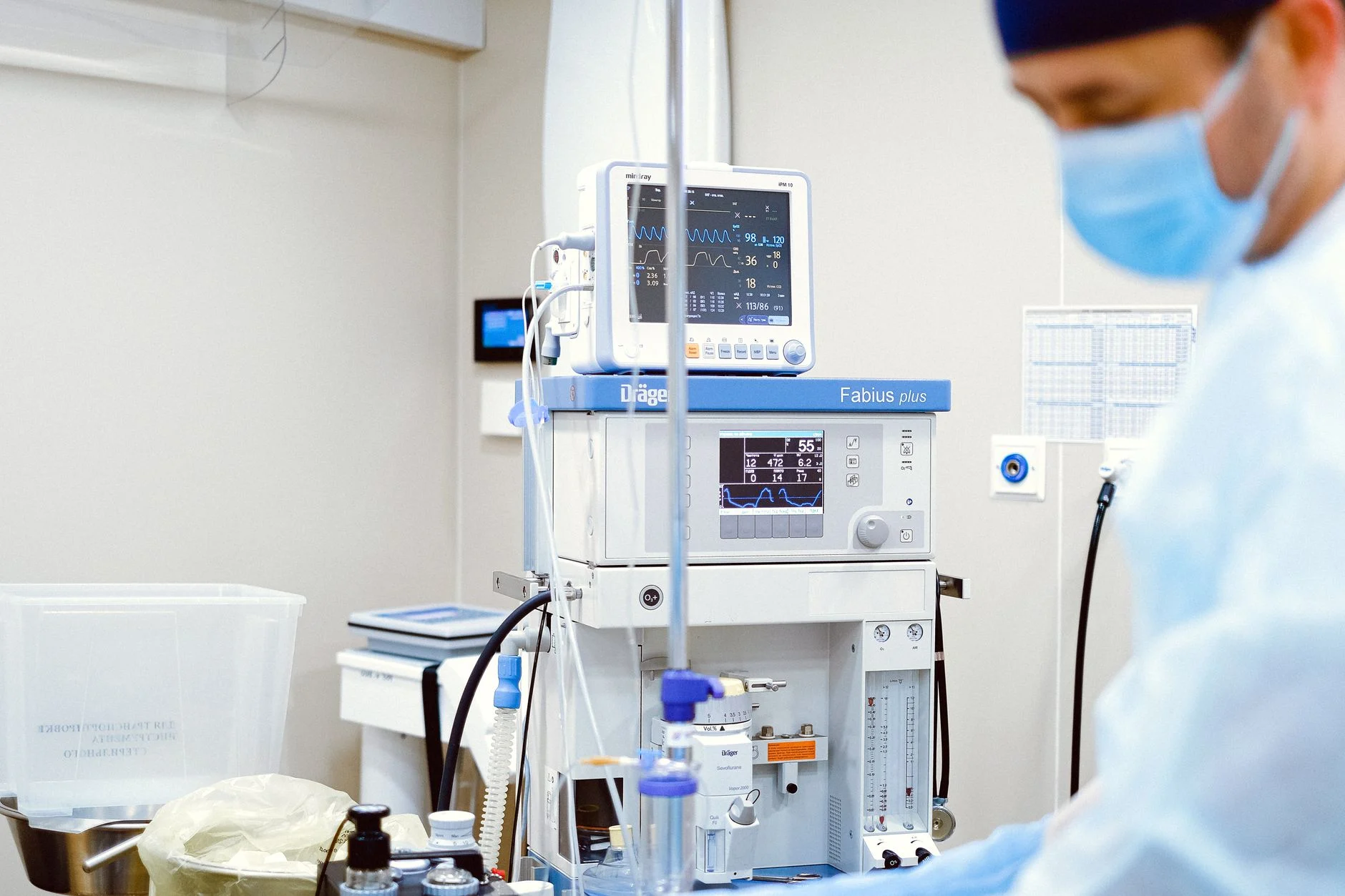
- Device Management: Operating mechanical ventilators, continuous renal replacement therapy (CRRT) machines, and intra-aortic balloon pumps (IABP).
- Medication Titration: Managing potent intravenous medications, such as vasopressors or sedatives, where small dose changes significantly impact the patient’s vital signs.
- Interdisciplinary Collaboration: Working closely with intensivists, respiratory therapists, and pharmacists to adjust care plans in real-time.
Critical care nursing also involves significant emotional labor. You will often act as the primary liaison for families during end-of-life discussions or sudden clinical declines. Many nurses find that the high-intensity nature of the work leads to higher compensation over time, particularly as they move toward roles like a nurse practitioner salary level in acute care specialties.
Professional Certifications (CCRN, ACLS, PALS)
Beyond your initial license, certifications demonstrate your expertise to employers and peers. Basic Life Support (BLS) and Advanced Cardiovascular Life Support (ACLS) are non-negotiable requirements for almost every ICU in the United States. If you work in a Pediatric ICU (PICU) or Neonatal ICU (NICU), you will also need Pediatric Advanced Life Support (PALS).
The gold standard for professional validation is the CCRN (Critical Care Registered Nurse) credential offered by the American Association of Critical-Care Nurses (AACN). To be eligible for the CCRN (Adult) exam, you must meet specific clinical practice requirements. According to the AACN, you need a minimum of 1,750 hours in direct bedside care of acutely or critically ill patients during the previous two years.
Professional certification is rarely a requirement for your first day on the job, but it is often a requirement for clinical ladder promotions or for applying to CRNA (Certified Registered Nurse Anesthetist) programs.
Choosing Your ICU Specialty
Not all ICUs are the same. Part of learning how to become a critical care nurse is identifying which patient population aligns with your interests. Common specialties include:

- Medical ICU (MICU): Focuses on patients with multi-system organ failure, sepsis, or severe respiratory illness.
- Surgical ICU (SICU): Cares for patients recovering from complex surgeries, such as transplants or major abdominal procedures.
- Cardiovascular ICU (CVICU): Specializes in post-open-heart surgery recovery and mechanical circulatory support.
- Neuro ICU: Focuses on strokes, traumatic brain injuries, and neurosurgical recovery.
Each unit has a different “rhythm.” For example, the SICU often involves rapid patient turnover, while the MICU may involve longer-term management of chronic critical illness. Shadowing a nurse on these different units before applying can provide valuable insight into which environment suits your temperament.
Next Steps for Your Critical Care Career
If you are ready to pursue this path, start by refining your resume to highlight high-acuity clinical rotations or any experience with complex technology. For nursing students, securing a “senior practicum” or “capstone” in an ICU is the most effective way to secure a residency spot after graduation.
Prepare for interviews by practicing “behavioral” questions. Managers in critical care look for candidates who demonstrate strong critical thinking, the ability to remain calm under pressure, and a willingness to ask for help when a situation exceeds their current knowledge. Critical care is a team sport; showing that you are a reliable and teachable colleague is often more important than having perfect clinical knowledge on day one.
Frequently Asked Questions
Can I work in the ICU immediately after graduation?
Yes, many hospitals now offer New Graduate Residency programs specifically for the ICU. These programs provide the additional training and mentorship necessary for a new RN to safely transition into critical care. However, some facilities may still prefer or require one year of experience in a lower-acuity setting like med-surg before moving to the ICU.
What is the difference between a BSN and a CCRN?
A BSN (Bachelor of Science in Nursing) is an academic degree required for entry into many nursing roles and is a prerequisite for most graduate programs. A CCRN (Critical Care Registered Nurse) is a professional specialty certification awarded by the AACN. You can only earn a CCRN after you are already an RN and have completed 1,750 hours of direct critical care experience.
Do I need specialized certifications before applying to an ICU?
Generally, no. Most hospitals require you to have your BLS (Basic Life Support) at the time of hire and will provide or pay for your ACLS (Advanced Cardiovascular Life Support) training during your orientation. Specialty certifications like the CCRN cannot be obtained until you have significant bedside experience in a critical care unit.
How long does it take to become a critical care nurse?
The timeline typically takes four to five years. This includes four years to earn a BSN degree and pass the NCLEX-RN, followed by several months of a specialized ICU orientation or residency program. If you choose the ADN route, you can become an RN in two to three years, though you may still need to complete a BSN later to meet hospital requirements.
What soft skills are most important for critical care nursing?
Critical thinking and emotional resilience are paramount. You must be able to process complex data quickly and remain calm during emergencies. Additionally, strong communication skills are essential for collaborating with a large interdisciplinary team and supporting family members during high-stress situations.
About This Article
Written by the Nurse CE Hub Editorial Team. We base state requirements and certification details on official board of nursing and certifying-organization sources, linked within the article.
Rules and fees can change. Confirm current requirements with your state board of nursing or certifying organization before you renew or apply. This article is general information, not legal or professional advice. How we research our content