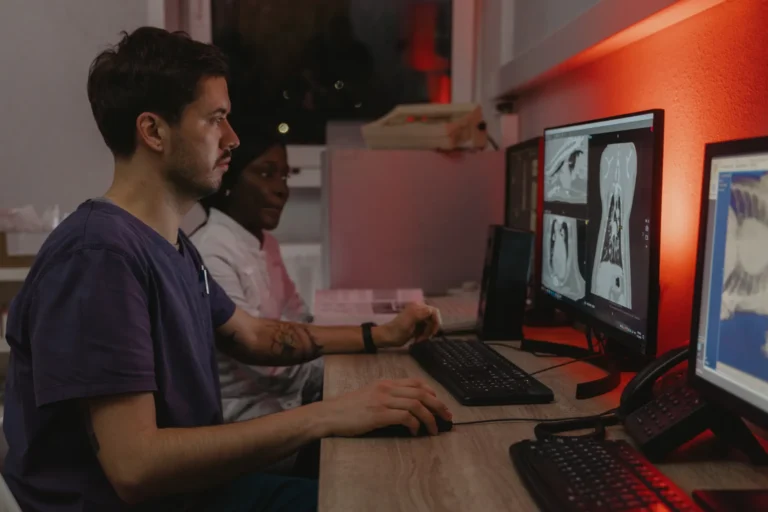
What Is a Clinical Nurse Specialist (CNS)?

A clinical nurse specialist is an advanced practice registered nurse (APRN) who possesses graduate-level education and clinical expertise in a specialized area of nursing. Unlike roles focused exclusively on direct patient care, these professionals operate across three distinct spheres of influence: the patient, the nurse, and the system. By integrating evidence-based practice with organizational leadership, they improve health outcomes, elevate nursing competency, and enhance the efficiency of healthcare delivery systems.
The APRN Context and Regulatory Framework
The clinical nurse specialist role is one of the four recognized pillars of advanced practice nursing in the United States, as defined by the NCSBN APRN Consensus Model. This model provides a framework for consistent regulation, licensure, and certification across state lines. While the role is nationally recognized, the actual scope of practice—including the ability to diagnose, treat, and prescribe—is governed by individual state boards of nursing.
Because regulations vary by jurisdiction, it is critical to consult the specific nurse practice act in the state where you intend to work. Some states allow for full autonomous practice, while others require formal collaborative agreements with physicians. Understanding these legal boundaries is essential for any nurse pursuing this career path.
The Three Spheres of Influence
The hallmark of this specialty is the application of the NACNS practice standards, which require the clinician to function simultaneously within three domains:

- Patient and Family Sphere: Providing direct, expert care for patients with complex, chronic, or high-acuity conditions. This involves advanced assessment, diagnostic reasoning, and the implementation of specialized therapeutic interventions.
- Nurse and Nursing Practice Sphere: Acting as a clinical mentor and educator. Specialists in this role translate research into bedside protocols, lead unit-based education, and provide the clinical guidance necessary to improve the overall standard of care within a nursing department.
- Organization and Systems Sphere: Influencing the environment of care. This includes leading quality improvement initiatives, managing resource allocation, reducing hospital-acquired conditions, and participating in policy development to ensure safe and cost-effective clinical workflows.
Clinical Nurse Specialist vs. Nurse Practitioner
While both are APRNs, the focus of their daily work differs. The following table illustrates the primary distinctions between these two advanced practice roles.
| Feature | Clinical Nurse Specialist (CNS) | Nurse Practitioner (NP) |
|---|---|---|
| Primary Focus | Patient outcomes, nursing staff development, and system-wide quality. | Direct patient diagnosis, treatment, and management. |
| Practice Domains | Patient, nurse, and system spheres of influence. | Clinical diagnosis and management of individual patients. |
| Work Settings | Inpatient units, hospital systems, and administration. | Outpatient clinics, private practice, and urgent care. |
| Scope of Practice | Focuses on improving the clinical environment and nursing care. | Focuses on individual patient health and primary/acute care. |
For those interested in the diagnostic and treatment-focused path, you may wish to review What Is A Nurse Practitioner or explore How To Become A Nurse Practitioner.
How to Choose Clinical Nurse Specialist Programs
When evaluating potential programs, it is vital to select an institution that prepares you for national certification. Use this checklist to assess your options:

- Accreditation: Verify that the program is accredited by the Commission on Collegiate Nursing Education (CCNE) or the Accreditation Commission for Education in Nursing (ACEN).
- Specialty Alignment: Ensure the curriculum offers a specific population focus (e.g., adult-gerontology, pediatrics, or psychiatric-mental health) that matches your career goals.
- Clinical Placement: Determine if the school provides dedicated clinical placements or if you are responsible for securing your own preceptors.
- Program Rigor: Look for programs that explicitly integrate the three spheres of influence into their clinical hour requirements.
Certification and Professional Requirements
To practice as a specialist, you must obtain national certification. The American Nurses Credentialing Center (ANCC) and the AACN Certification Corporation are the primary organizations that administer these exams. Eligibility for these exams typically requires the completion of an accredited graduate program (MSN or DNP) with a verified number of clinical hours in the chosen specialty.
Once certified, you must maintain your credential through professional practice hours and ongoing continuing education. This ensures that your knowledge remains aligned with the latest evidence-based standards in your specific population focus.
Next Steps for Your Career
Transitioning into this role requires careful planning. Start by reviewing the requirements set by your state board of nursing, as these will dictate your legal scope of practice. Research graduate programs that offer the specific population focus you desire, and consider reaching out to current specialists in your facility to shadow their work within the systems and nursing spheres. By aligning your education with national standards, you position yourself to lead improvements in patient care and nursing practice.
Frequently Asked Questions
Can a clinical nurse specialist prescribe medication?
Prescriptive authority is not universal for this role and is determined entirely by state nursing regulations and institutional bylaws. You must verify the specific scope of practice in the state where you are licensed to practice.
What is the difference between a clinical nurse specialist and a nurse practitioner?
A nurse practitioner focuses primarily on the diagnosis and treatment of individual patients in clinical settings. A clinical nurse specialist balances direct patient care with responsibilities in the nursing and systems spheres, focusing on staff development and organizational quality improvement.
Do I need a DNP to be a clinical nurse specialist?
A Doctor of Nursing Practice is not mandatory for entry into this role. A Master of Science in Nursing (MSN) with a clinical nurse specialist concentration is a standard and widely accepted academic requirement for national certification.
What certifications are available for a clinical nurse specialist?
National certifications are provided by organizations such as the American Nurses Credentialing Center and the AACN Certification Corporation. The specific exam you take will depend on your chosen population focus, such as adult-gerontology, pediatrics, or psychiatric-mental health.
Is a CNS a doctor?
No, a clinical nurse specialist is an advanced practice registered nurse, not a medical doctor. While some specialists may hold a Doctor of Nursing Practice (DNP) degree, this is a clinical doctoral degree in nursing, distinct from a medical degree.
About This Article
Written by the Nurse CE Hub Editorial Team. We base state requirements and certification details on official board of nursing and certifying-organization sources, linked within the article.
Rules and fees can change. Confirm current requirements with your state board of nursing or certifying organization before you renew or apply. This article is general information, not legal or professional advice. How we research our content