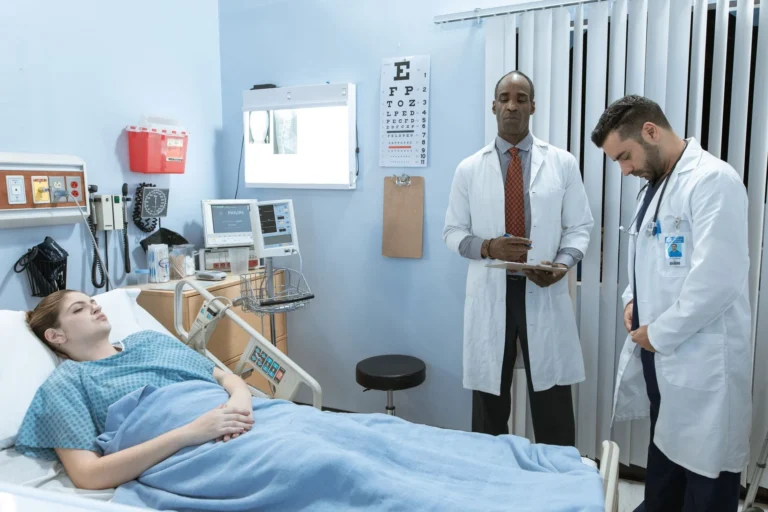
Nursing Specialties List (With Quiz)

Choosing the right clinical focus requires balancing your personal strengths, preferred work environment, and long-term career goals. Because modern healthcare encompasses dozens of distinct career paths, reviewing a structured nursing specialties list helps you evaluate where your skills match patient needs. Whether you prefer the fast-paced intensity of emergency medicine or the long-term relationships built in outpatient clinics, understanding the requirements for each option ensures a smoother transition.
Many registered nurses and student nurses feel overwhelmed by the sheer number of available career tracks. To simplify your decision-making process, this resource breaks down major practice categories, explores the differences between clinical roles and formal certifications, and provides a text-based self-assessment matrix to point you toward a fulfilling professional direction.
The Reality of Specialty Choice: Factors to Consider
Transitioning into a new area of practice involves more than just applying for an open position. Before committing to a specific clinical area, you must evaluate how your current experience, lifestyle preferences, and professional interests align with daily demands. For instance, critical care environments often require managing rapid physiological changes under high stress, whereas ambulatory or administrative roles typically focus on scheduled patient education, care coordination, or quality improvement.
You should also examine how your state license type influences your options. Registered nurses (RNs), licensed practical or vocational nurses (LPN/LVNs), and advanced practice registered nurses (APRNs) operate under distinct regulatory scopes defined by state boards of nursing and summarized by the NCSBN Nursing Scope of Practice. While general staff positions are open to various license holders, specialized advanced practice roles require graduate-level education, supervised clinical hours, and specific board credentials.

Categorized Nursing Specialties List (A-Z)
To help you navigate the wide array of professional options, the following categorized table outlines common types of nursing specialties, their primary practice settings, and the general educational or certification expectations associated with them. Certification standards are maintained by independent professional bodies such as the ANCC Certification Center, which establishes national eligibility criteria for many recognized credentials.
| Specialty | Category | Primary Setting | Common Credential / Requirement |
|---|---|---|---|
| Ambulatory Care Nurse | Ambulatory / Outpatient | Clinics, Physician Offices | RN license; Ambulatory Care Nursing Certification (AMB-BC) optional |
| Critical Care Nurse (CCRN) | Acute / Critical Care | ICU, Trauma Units | RN license; CCRN credential via AACN requiring direct patient care hours |
| Emergency Nurse (CEN) | Acute / Emergency | Emergency Departments | RN license; CEN credential via BCEN |
| Informatics Nurse | Administrative / Tech | Health Systems, IT Vendors | RN license; Nursing Informatics Certification (NI-BC) |
| Nurse Practitioner (NP) | Advanced Practice | Primary Care, Specialty Clinics | Master’s or DNP degree; National APRN board certification |
| School Nurse | Community / Public Health | K-12 Schools, Universities | RN license; State school nurse endorsement or NCSN credential |
Exploring these options is easier when you also examine broader professional pathways, such as those detailed in our guide to professional nursing organizations, which offer networking and mentorship opportunities for specialists.
Self-Assessment Matrix: Which Nursing Specialty Is Right for Me?
If you are wondering which nursing specialty is right for me, this interactive text-based matrix categorizes professional personas based on daily preferences and skill sets. Read through the descriptions below to see which persona aligns most closely with your career style.

- The Critical Thinker: You thrive in high-stakes environments, enjoy analyzing complex physiological data, and prefer managing one or two acutely ill patients at a time. Recommended paths: Emergency Nursing, Intensive Care Unit (ICU) Nursing, or Flight Nursing.
- The Community Advocate: You value disease prevention, health education, and building long-term relationships with patients and families in outpatient or neighborhood settings. Recommended paths: Public Health Nursing, School Nursing, or Home Health Nursing.
- The Educator and Mentor: You enjoy explaining disease processes, guiding new staff members through orientation, and helping patients understand their discharge instructions. Recommended paths: Clinical Nurse Specialist (CNS), Staff Development Coordinator, or Patient Navigator.
- The Systems Optimizer: You prefer working behind the scenes to improve workflows, analyze clinical data, streamline electronic health records, and enhance patient safety protocols. Recommended paths: Nursing Informatics, Quality Improvement Coordinator, or Clinical Documentation Improvement (CDI) Specialist.
Specialty vs. Certification: Understanding the Difference
It is important to distinguish between working in a clinical specialty and holding a formal specialty certification. A specialty refers to the specific clinical focus area or patient population you serve, such as pediatrics, oncology, or gerontology. You can work within a specialty unit or department as a general registered nurse while gaining clinical experience.
A certification, by contrast, is a formal credential awarded by a professional accrediting organization after you meet specific practice hour prerequisites and pass a rigorous national exam. While many employers prefer or require certification for career advancement or Magnet hospital designation, initial entry into a specialty typically begins with on-the-job orientation, continuing education, and mentorship rather than immediate testing.
How to Transition to a New Clinical Specialty
Shifting your career focus requires careful planning, especially if you are moving from an outpatient setting to acute care or vice versa. Most hospital systems and healthcare facilities facilitate this transition through structured nurse residency or fellowship programs that combine classroom instruction with preceptor-led clinical shifts.
To prepare for a transition, review your current state licensing requirements and ensure your continuing education aligns with your new clinical interest. You can explore targeted learning opportunities through resources covering free nursing CEUs to fulfill initial educational requirements without incurring high upfront costs. Additionally, joining a specialty nursing association provides access to webinars, study groups, and networking contacts who can mentor you through the transition.
Conclusion: Taking Your Next Professional Step
Selecting your professional focus is an evolving journey that can shift at different stages of your career. By evaluating your daily preferences, understanding the regulatory boundaries of your license, and utilizing structured self-assessment tools, you can choose a clinical path that aligns with your professional aspirations and personal values.
Frequently Asked Questions
How long does it take to specialize as a nurse?
The timeline to specialize varies depending on your background and the clinical area you choose. Most specialty certifications require one to two years of full-time practice in that specific field before you are eligible to sit for a national board examination.
Do I need a master's degree for all nursing specialties?
No. Most clinical specialties, such as emergency, critical care, and perioperative nursing, can be entered with an RN or LPN/LVN license and on-the-job training. Advanced practice roles, such as nurse practitioners and clinical nurse specialists, require graduate-level education.
Can I hold multiple nursing certifications at the same time?
Yes. Many registered nurses hold multiple certifications if they work across different clinical domains or have expanded their expertise over time, provided they meet the ongoing recertification and continuing education requirements for each credential.
Does my current state license restrict my specialty choices?
Your state license determines your general scope of practice as defined by your state board of nursing, but it does not restrict your choice of specialty. However, advanced practice roles and prescriptive authority are strictly regulated by individual state jurisdictions.
What is the difference between a clinical specialty and a functional role?
A clinical specialty focuses on a specific patient population or medical condition, such as pediatrics or cardiac care. A functional role defines your professional duty, such as administration, informatics, education, or direct patient care.
About This Article
Written by the Nurse CE Hub Editorial Team. We base state requirements and certification details on official board of nursing and certifying-organization sources, linked within the article.
Rules and fees can change. Confirm current requirements with your state board of nursing or certifying organization before you renew or apply. This article is general information, not legal or professional advice. How we research our content