Pharmacology CE for Nurses

Pharmacology CE for nurses is a specialized category of continuing education that focuses on the study of medications, including their mechanisms of action, therapeutic uses, side effects, and drug interactions. For many nursing professionals, these credits are not just optional professional development but a mandatory component of license renewal or the maintenance of prescriptive authority. Because medication errors remain a significant concern in clinical settings, state boards of nursing and national certifying bodies use these requirements to ensure that practitioners remain current with evolving drug therapies and safety protocols. This guide provides objective, practical educational guidance to help you navigate these requirements without regulatory ambiguity.
Understanding Nursing Pharmacology CE Requirements and Credit Types
When searching for pharmacology continuing education, you will encounter several different terms used to describe the value of a course. The most common unit is the contact hour, which represents 60 minutes of organized instruction. In the United States, the American Nurses Credentialing Center (ANCC) is the primary body that sets standards for these hours. You may also see references to pharmacology nursing CEUs (Continuing Education Units). Technically, one CEU equals 10 contact hours, though many nurses and some providers use the terms interchangeably in casual conversation. It is essential to verify which unit your state board uses to avoid a shortfall in your required totals.
Pharmacology-specific hours are a subset of general nursing contact hours. While a course on wound care provides general credit, only courses specifically focused on pharmacotherapeutics, drug metabolism, or clinical pharmacology count toward a pharmacology mandate. Because rules vary significantly by jurisdiction, you should always consult the state CE requirements for your specific license type to determine how many of your total hours must be dedicated to this subject. In some states, you may also need to complete specific topics such as implicit bias training alongside your pharmacology requirements.
| Credit Type | Standard Definition | Regulatory Application |
|---|---|---|
| Contact Hour | 60 minutes of instruction | The standard unit for most State Boards and the ANCC; directly measures time spent in educational activity. |
| CEU (Continuing Education Unit) | 10 contact hours | Commonly used in academic settings; requires conversion when reporting to boards that mandate contact hours. |
| Pharmacology Hour | 60 minutes of drug-focused instruction | A specific designation required for APRN prescriptive authority; must focus on pharmacotherapeutics or drug management. |
| CME (Continuing Medical Education) | Variable (Category 1 or 2) | Designed for physicians; acceptance for nursing renewal depends on individual state board statutes and accreditation. |
To ensure you are looking at the most accurate rules for your area, you can visit the NCSBN State Nurse Boards Directory to find the official website for your jurisdiction. Each board maintains its own statutes regarding which topics qualify for pharmacology credit and whether those hours must be earned through an accredited provider.

RN vs. APRN Pharmacology Mandates
The requirement for pharmacology continuing education for nurses differs drastically based on the level of licensure and the scope of practice. For Registered Nurses (RNs) and Licensed Practical/Vocational Nurses (LPN/LVNs), pharmacology is often a recommended topic but not always a standalone requirement. However, some states have implemented specific mandates. For example, the Texas nursing CE requirements include specific jurisprudence components, while the Alabama nursing CE requirements may have different focus areas for license maintenance.
For Advanced Practice Registered Nurses (APRNs), including Nurse Practitioners (NPs), Clinical Nurse Specialists (CNSs), and Certified Registered Nurse Anesthetists (CRNAs), the rules are more stringent. Most APRNs with prescriptive authority must complete a specific number of pharmacology hours every renewal cycle. National certifying bodies, such as the American Academy of Nurse Practitioners Certification Board (AANPCB) or the ANCC, have historically required a significant portion of total credits to be pharmacology-specific. Because these requirements are subject to periodic updates, practitioners must verify the exact number of hours in the current certification handbook for their specific specialty.
Furthermore, many states now require specific pharmacology hours dedicated to controlled substances or opioid prescribing. These mandates were created in response to the opioid crisis and are often non-negotiable for any nurse with a DEA registration. If you hold a multistate or compact license, remember that you must meet the specific requirements of your home state of residence, even if you are practicing elsewhere.
State Board Regulatory Considerations and Verification Steps
State boards of nursing (BONs) are the final authority on what qualifies as a valid pharmacology contact hour. It is a common misconception that all nursing pharmacology CE courses are universally accepted. In reality, a board may reject a certificate if the provider is not recognized by that specific state or if the content does not meet the state’s definition of “advanced pharmacology.”
The mechanism for determining pharmacology credit involves an analysis of the time spent on pharmacokinetics, pharmacodynamics, and clinical drug management within a course. The practical effect of this is that a broad clinical course—such as one on emergency room management—may only yield partial pharmacology credit rather than its full contact hour value. A limitation of this process is that the final determination rests with the accrediting body’s review of the syllabus, not the student’s perception of the content. To verify a course before enrolling, follow these steps:
- Review the Course Syllabus: Look for a specific breakdown of pharmacology hours versus general nursing hours.
- Check the Provider’s Accreditation Statement: Ensure it mentions ANCC or a recognized state board approval number.
- Consult the State Board Website: Use the NCSBN directory to check if your state has a list of pre-approved providers or specific excluded topics.
- Verify Reporting Requirements: Determine if the provider reports directly to a system like CE Broker or if you must maintain manual records.
How to Choose and Verify Accredited Pharmacology CE Courses
Not all pharmacology CE for nurses are created equal. To ensure your state board or certifying body accepts your certificate, you must verify the provider’s accreditation. The gold standard for nursing CE is accreditation by the ANCC Commission on Accreditation. When a provider is ANCC-accredited, their contact hours are generally accepted by all US state boards of nursing. You can verify a provider’s status directly through the ANCC Commission on Accreditation website.
When evaluating a course, look for a clear statement of the number of pharmacology hours awarded. The certificate of completion must explicitly state the breakdown of hours to be useful for APRN renewal or specific state mandates. If you are looking for cost-effective ways to meet these goals, you can explore free nursing CE options, but always double-check that the provider offers a pharmacology breakdown on the final certificate. Note that while some learning may be free, some providers charge a fee for the actual accredited certificate.
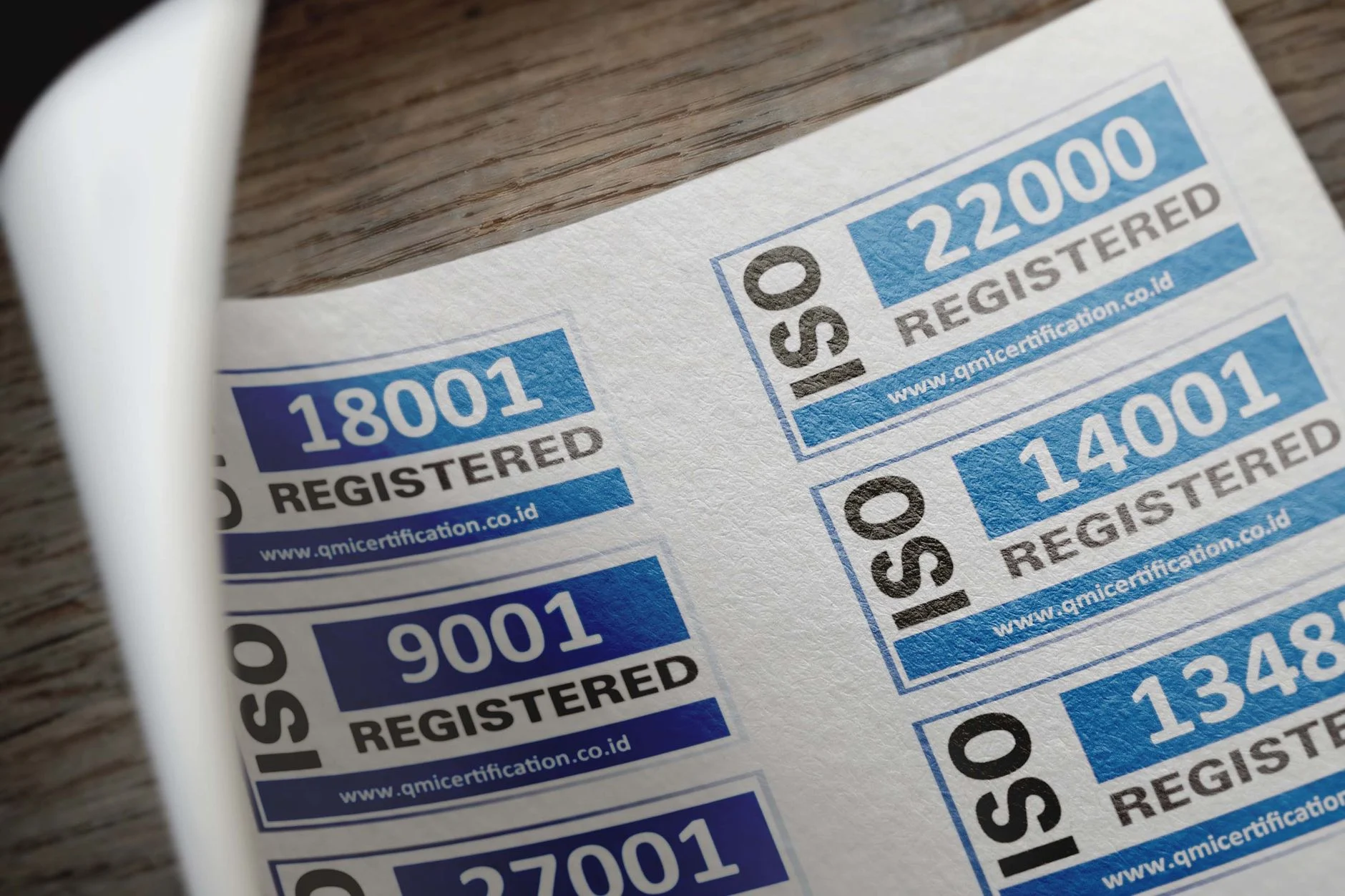
Avoid providers that offer certificates without a verifiable accreditation statement. A valid certificate should include the provider’s name, your name, the date of completion, the title of the activity, the number of contact hours awarded, and the specific accreditation statement with a provider number. If this information is missing, the credit may be rejected during an audit. Selection guidance for courses should prioritize providers who offer transparent access to their accreditation status and a clear curriculum map before purchase.
Editorial Transparency and Regulatory Disclaimers
NurseCEHub.com is an independent educational resource and is not affiliated with any state board of nursing, the ANCC, or the NCSBN. While we strive to provide the most current information regarding pharmacology continuing education for nurses, regulatory rules change periodically. It is the professional responsibility of every nurse to verify their specific renewal requirements with their primary regulatory body.
Our editorial review policy ensures that all guidance is based on current standards from accrediting bodies and state statutes. However, we do not award credits, approve providers, or guarantee that any specific course will be accepted by your board. We distinguish ourselves from commercial course catalogs by providing objective compliance guidance rather than transactional landing pages. Always distinguish between a CE provider (who sells the course) and the state board (who sets the rules for your license).

Practical Checklist for Fulfilling State Renewal Rules
Tracking your pharmacology hours requires organization, especially if you hold licenses in multiple states or maintain national certifications. Most boards of nursing do not require you to submit your certificates at the time of renewal; instead, you attest that you have completed the hours and must provide proof only if you are selected for a random audit. Failing an audit can lead to fines, mandatory remedial education, or even license suspension.
Follow these steps to ensure compliance:
- Identify your specific window: Determine if your renewal cycle is every one, two, or three years and when the deadline falls.
- Verify the pharmacology count: Confirm exactly how many hours must be pharmacology-specific and if any must cover controlled substances.
- Check for reporting requirements: Some states require providers to report hours to CE Broker. Other states require manual tracking.
- Maintain a digital folder: Save every certificate as a PDF immediately after completion. Do not rely on a CE provider to store your records indefinitely.
- Use a tracking tool: Refer to a CE audit checklist to ensure you have all the necessary documentation for each course, including the accreditation statement.
If you are unsure whether a specific course meets your needs, contact your state board of nursing directly. It is better to verify a course’s acceptance before spending time and money on the material than to discover a deficiency during your renewal window.
Next Steps for Your Nursing License Renewal
Fulfilling your pharmacology requirements is a critical step in maintaining your professional standing and ensuring safe patient care. Start by reviewing your current state requirements and comparing them against the credits you have already earned. If you find you are short on hours, prioritize courses that offer ANCC-accredited pharmacology credit to ensure maximum portability across states and certifications. By staying organized and choosing high-quality educational providers, you can complete your renewal process with confidence and avoid the stress of a last-minute scramble for credits.
Frequently Asked Questions
How many pharmacology CE hours do I need for my nursing license renewal?
Requirements vary significantly by state and license type. While many RNs do not have a specific pharmacology mandate, APRNs with prescriptive authority typically need a substantial number of pharmacology-specific contact hours per renewal cycle. You must verify the exact current total in your state board's statutes or your national certification handbook.
What is the difference between pharmacology nursing CEUs and general contact hours?
A contact hour is 60 minutes of instruction, while one CEU is technically equal to 10 contact hours. Pharmacology-specific hours are a subset of these credits that must focus exclusively on drug therapies, pharmacotherapeutics, or medication safety to count toward specific pharmacology mandates.
Do free nursing pharmacology CE courses count toward APRN prescriptive authority requirements?
Yes, free courses count as long as they are provided by an accredited body, such as an ANCC-approved provider, and the certificate explicitly states the number of pharmacology contact hours awarded. Be aware that some providers offer free learning but require payment for the accredited certificate.
Where can I find accredited nursing pharmacology CE courses?
Accredited courses are available through professional nursing organizations, universities, and private CE providers with ANCC accreditation. You can verify a provider's status on the ANCC website or check the NCSBN directory to find your state board's list of approved providers.
How do I report completed pharmacology hours to my state board?
Reporting methods depend on your state. Some states use electronic systems like CE Broker, where providers upload your credits automatically. In other states, you simply attest to completing the hours during your renewal application and only provide certificates if you are selected for a random audit.
About This Article
Written by the Nurse CE Hub Editorial Team. We base state requirements and certification details on official board of nursing and certifying-organization sources, linked within the article.
Rules and fees can change. Confirm current requirements with your state board of nursing or certifying organization before you renew or apply. This article is general information, not legal or professional advice. How we research our content