Code Red in a Hospital: Meaning and Staff Response
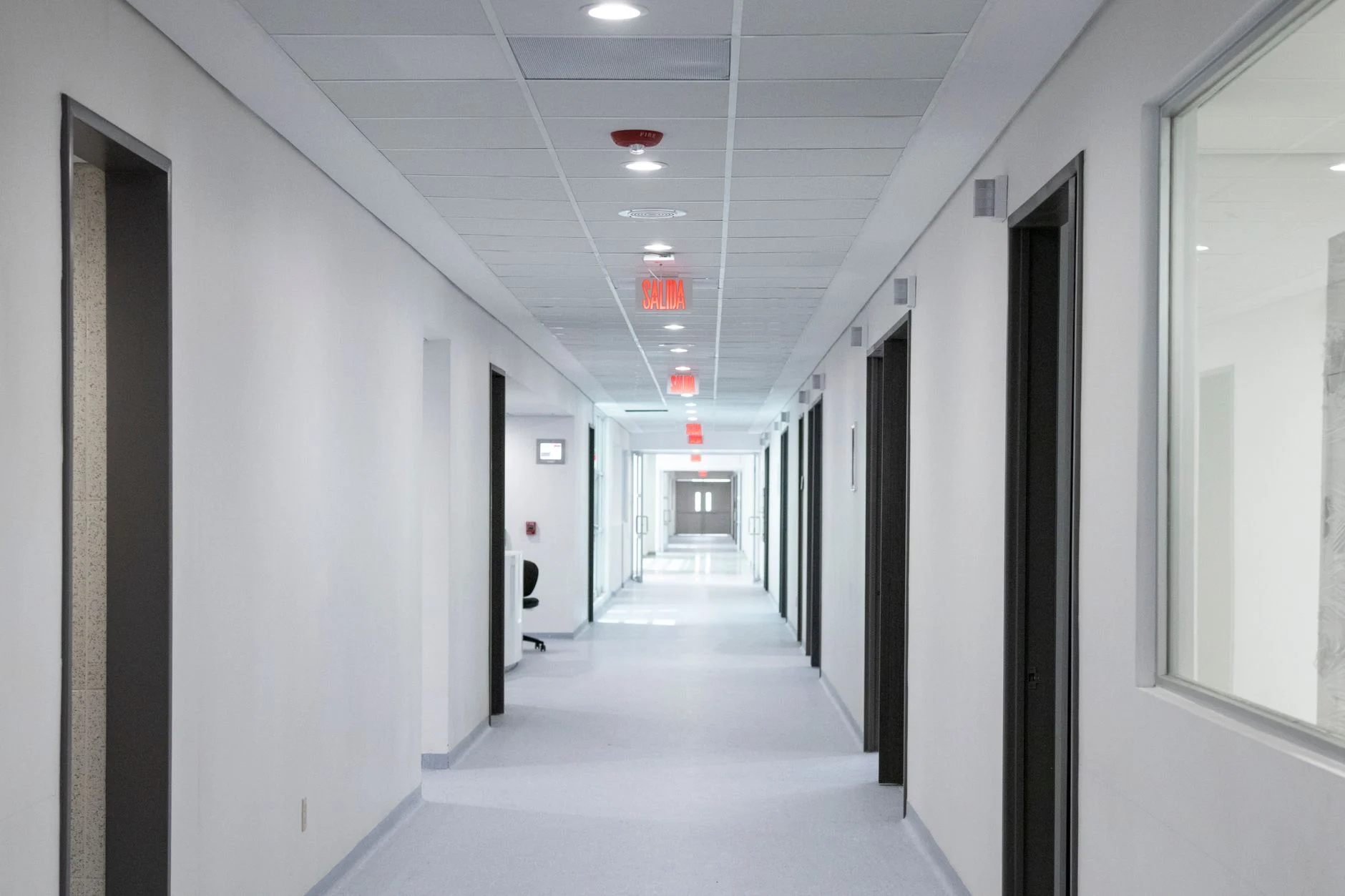
A code red hospital alert indicates a confirmed fire, smoke, or other combustion emergency within the facility. When this alarm sounds, the immediate priority is to safeguard patients, visitors, and staff by swiftly containing the hazard and adhering to established institutional safety frameworks. Understanding the code red meaning at hospital facilities ensures that clinical and administrative personnel can transition from routine patient care to coordinated emergency response without hesitation.
Immediate Staff Response (RACE)
Fire safety training across healthcare facilities relies heavily on standardized acronyms to guide behavior under pressure. The RACE framework outlines the prioritized sequence of actions you must take upon discovering smoke or flames in your clinical unit.
- R – Rescue: Immediately remove any patients or staff in immediate danger from the hazard zone. If a patient is in the affected room, transfer them horizontally across smoke barriers or beyond the nearest set of fire doors into a safe compartment.
- A – Alarm: Activate the nearest manual fire alarm pull station and contact the facility’s dedicated emergency telephone number. Communicate precise details, including your exact floor, unit name, room number, and the nature of the smoke or fire observed.
- C – Confine: Close all doors, windows, and fire-rated barriers within your immediate area. Confining the fire restricts oxygen supply and prevents the rapid spread of toxic smoke through ventilation and hallway corridors.
- E – Extinguish/Evacuate: If the fire is small and you have received proper training, use a portable fire extinguisher. If the blaze is too large, or if smoke compromises visibility and breathing, evacuate the area entirely according to your facility protocol and guidelines outlined by the NFPA 101 Life Safety Code.
When an alarm sounds outside your immediate workspace, avoid rushing blindly into hallways. Instead, secure your department by closing patient room doors, clearing corridors of rolling equipment, and preparing your unit to receive potential evacuees. Staff members can confirm whether a fire is in their designated zone by listening closely to overhead public address announcements or checking departmental emergency communication consoles.
Departmental layouts influence how staff execute these steps. In high-acuity environments like an intensive care unit, evacuating ventilated or unstable patients requires coordinated bed movement and specialized manual ventilation equipment, whereas administrative offices prioritize immediate horizontal evacuation and accountability.

Using Fire Equipment (PASS)
When confronting a small, localized fire, staff must deploy portable fire extinguishers correctly. Remembering the PASS acronym ensures you operate this equipment safely while maintaining a viable escape route behind you.
- P – Pull: Pull the metal pin located at the top of the extinguisher handle to break the tamper seal.
- A – Aim: Direct the hose, horn, or nozzle low, focusing squarely at the base of the fire rather than shooting directly into the flames.
- S – Squeeze: Squeeze the operating handles together to release the pressurized extinguishing agent.
- S – Sweep: Sweep the nozzle side to side across the base of the fire until flames are completely suppressed and the unit is empty.
Always maintain a safe distance from active flames. If the fire intensifies, fails to extinguish after emptying the device, or produces dense, toxic smoke, abandon firefighting efforts immediately, close the door behind you, and evacuate the smoke zone.
Understanding Hospital Emergency Codes
Hospitals utilize standardized color codes to communicate various internal crises quickly without causing widespread panic among visitors. While common terms are widely recognized, exact definitions and color designations can vary between healthcare networks. Always consult your facility safety manual for local policies.

| Code Name | Primary Meaning | Standard Staff Action |
|---|---|---|
| Code Red | Fire, smoke, or combustion hazard | Execute RACE protocol and prepare for containment or evacuation. |
| Code Blue | Cardiac or respiratory arrest | Initiate resuscitation, retrieve crash cart, and call the arrest team. |
| Code Black | Bomb threat or suspicious package | Secure immediate area, report unusual objects, and follow security directives. |
| Code White | Violent individual or security threat | Protect patients, clear hallways, and await trained security response. |
| Code Grey | Combative person or infrastructure failure | De-escalate aggressive behavior or prepare for utility disruption. |
Regulatory organizations such as The Joint Commission mandate regular fire drills and strict adherence to life safety codes to ensure hospitals remain prepared for unforeseen disasters. Multidisciplinary training ensures that clinical staff, housekeeping, and administration understand their distinct responsibilities during any emergency.
Preparedness and Next Steps
Maintaining a safe healthcare environment requires ongoing vigilance rather than passive compliance. You should inspect local fire pull stations and extinguisher cabinets during your initial orientation on any new unit. Review departmental evacuation maps, participate actively in scheduled fire drills, and verify that hallway fire doors remain unobstructed by stretchers or mobile carts at all times. If you have questions regarding your specific facility’s emergency response plan, discuss them with your charge nurse or unit safety coordinator during your next staff meeting.
Frequently Asked Questions
What happens when a code red is announced?
When a code red is announced, staff must immediately verify if the fire or smoke is in their zone. If affected, they initiate the RACE protocol to rescue, alarm, confine, and extinguish or evacuate; if not in their zone, they secure doors, clear corridors, and prepare for potential containment or receiving evacuees.
What is the difference between Code Red and Code Black?
A code red indicates a fire, smoke, or combustion emergency requiring containment and suppression. In contrast, a code black typically designates a bomb threat or the discovery of a suspicious package, which requires threat assessment and potential facility evacuation led by security and law enforcement.
Do all hospitals use the same color codes?
No. While many healthcare facilities utilize common colors like red for fire and blue for medical emergencies, there is no universal federal mandate enforcing identical color systems across every hospital network. Always review your specific employer's safety manual for local code definitions.
What is my responsibility if a fire starts in a patient room?
Your primary responsibility is to immediately rescue any patient in immediate danger from the room, activate the nearest fire alarm pull station, close the door to confine the fire and smoke, and follow your unit's emergency evacuation procedure.
What is the first thing a nurse should do when hearing a code red?
When you hear a code red alarm, you should immediately determine if the fire or smoke is located in your specific zone. If it is in your area, initiate the RACE protocol; if it is elsewhere, clear hallways, close patient room doors, and await instructions.
About This Article
Written by the Nurse CE Hub Editorial Team. We base state requirements and certification details on official board of nursing and certifying-organization sources, linked within the article.
Rules and fees can change. Confirm current requirements with your state board of nursing or certifying organization before you renew or apply. This article is general information, not legal or professional advice. How we research our content