
Code Grey in Hospitals: What It Means

A code grey hospital alert signals a security threat, combative person, or active violent situation within the facility. Unlike clinical emergencies such as cardiac arrests, this alert focuses entirely on personal safety and physical security. When an overhead announcement or mobile alert announces this code, it means staff members, visitors, or patients face an immediate physical threat from an aggressive individual who may be armed or unarmed.
Hospital security teams, designated staff responders, and local law enforcement often mobilize immediately. Understanding your facility-dependent responsibilities helps protect patients and colleagues while maintaining safety in high-stress clinical environments.
Why Hospital Emergency Codes Lack Universal Standardization
Emergency codes vary significantly across healthcare systems and geographic regions. While a specific color may indicate a security threat in one facility, another hospital network might use an entirely different color or plain-language paging system.
For example, some facilities use alternative phrases or color designations for behavioral threats or weapons. This lack of standardization means you must review your specific employer’s emergency response manual. Never assume that a code used in a previous hospital applies uniformly to your current workplace, and always verify whether your facility uses code gray hospital terminology interchangeably with standard regional definitions.
Common Triggers for a Security Threat Event
Behavioral emergencies and security threats stem from various clinical and environmental factors. Recognizing these triggers helps you anticipate escalation before an official alert sounds. Facility-dependent policies guide how staff should identify and report these risks:
- Acute delirium, severe dementia, or metabolic encephalopathy resulting in unpredictable physical aggression.
- Substance withdrawal, acute intoxication, or adverse drug reactions causing violent outbursts.
- Intense psychiatric distress, psychosis, or emotional trauma where individuals pose a danger to themselves or others.
- Visitors or unauthorized individuals breaching restricted clinical areas or exhibiting threatening behavior toward bedside staff.
De-Escalation Before Code Activation
When physical agitation begins, early intervention can prevent the need for an emergency security response. Best practices emphasize verbal de-escalation whenever it is safe to do so. Speak in a calm, low, and non-threatening tone while maintaining a safe physical distance and an open posture.
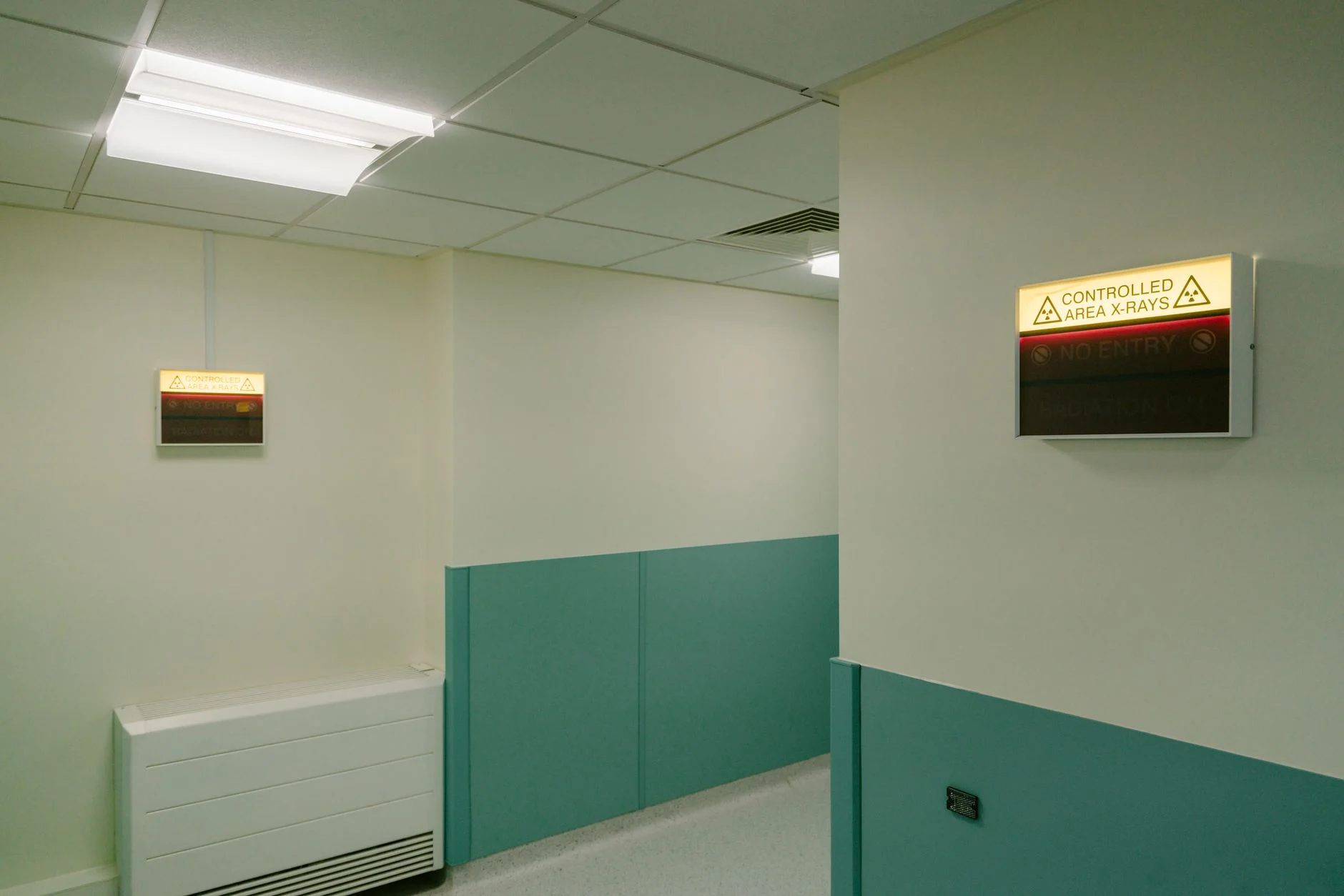
Acknowledge the individual’s frustration without validating aggressive behavior, offer clear choices where appropriate, and minimize environmental stimuli by dimming bright lights or reducing loud noises. If verbal strategies fail and the safety of staff or patients is compromised immediately, activate your facility-dependent emergency alert system without hesitation.
Code Grey Nurse Response Checklist
When a security emergency is declared in your unit, rapid and methodical action is essential. Implementing an organized code grey nurse response protects both patients and clinical staff during volatile incidents. Use this checklist to guide your immediate priorities:
- Secure your immediate location by closing doors or moving behind locked barriers if the threat is in your immediate vicinity.
- Protect vulnerable patients in your care by moving them away from hallways, windows, or common areas.
- Clear the corridor of unnecessary equipment, bedside tables, or items that could be used as projectiles.
- Stand by to provide critical clinical context, patient history, or behavioral triggers to arriving security personnel or law enforcement.
- Account for all staff members, patients, and visitors assigned to your zone once the immediate threat is contained.
Comparison of Common Hospital Emergency Codes
Hospitals utilize standardized or facility-specific color codes to communicate different types of crises quickly. The table below outlines how security alerts compare to other common hospital emergency codes and designations.
| Emergency Code | Standard Meaning | Typical Nurse Response |
|---|---|---|
| Code Grey | Combative person, security threat, or physical assault | Secure immediate area, protect patients, clear hallways, and await security or law enforcement. |
| Code Blue | Medical emergency, respiratory or cardiac arrest | Initiate basic life support, call for the resuscitation team, and prepare emergency equipment. |
| Code Red | Fire or smoke detected in the facility | Follow rescue, alarm, confine, and extinguish (RACE) protocols; close doors and prepare for evacuation if necessary. |
| Code Silver | Active shooter or armed intruder event | Run, hide, or fight according to active threat survival guidelines; avoid open hallways. |
Legal and Ethical Considerations: Restraints and Documentation
Balancing patient safety, therapeutic autonomy, and staff protection involves strict legal and regulatory boundaries. Federal and state guidelines, alongside standards from organizations such as The Joint Commission, require hospitals to maintain formal workplace violence prevention programs, as outlined by regulatory benchmarks like The Joint Commission Workplace Violence Prevention Standards (Standard HR.01.05.03). Physical or chemical restraints must only be used as a last resort when less restrictive measures fail to prevent imminent harm.
Accurate post-event documentation is mandatory. Your legal medical record entry must detail the specific behavioral triggers observed, the verbal de-escalation attempts made prior to the event, the exact timeline of the security response, any physical restraint applications, and patient assessments performed immediately following the incident according to facility-dependent protocols.

Managing Security Alerts in Your Facility
Preparation remains your best defense against workplace violence, supported by federal guidance such as OSHA Healthcare Workplace Violence Guidelines. Familiarize yourself with your facility-dependent emergency manual, attend annual behavioral crisis training sessions, and know the exact location of panic buttons or emergency communication devices in your department. For broader career and professional development milestones that often intersect with workplace safety policies, you can also explore advanced practice nursing pathways to see how educational requirements scale across different healthcare roles.
Clarifying Facility Variations and Policy Differences
When transitioning between healthcare networks, one of the most critical realizations is that emergency protocols are not universal. A term or color designated for a security threat in one hospital may signify an entirely different crisis elsewhere. This lack of standardization makes it essential to review your employer’s specific policy manual during orientation and annual competency updates.
Understanding whether your organization utilizes a specific code grey hospital policy or an alternative plain-language announcement prevents hesitation during a crisis. Familiarity with local terminology ensures that your reaction aligns directly with facility-dependent response trees, protecting both clinical workflows and personal safety.
Adapting to Different Communication Systems
Hospitals communicate crises through various channels, including overhead public address systems, secure mobile devices, and badge-clip panic buttons. Knowing how your unit receives alerts allows you to react instantly. If your facility uses a code gray hospital alert variant, verify whether the notification specifies a geographic zone or covers the entire building. Targeted alerts help you determine whether to secure your immediate workspace or prepare for an influx of displaced patients and staff.
Understanding Restraint Applications and Post-Event Documentation
When physical aggression escalates to the point where a security intervention or restraint becomes necessary, strict legal and regulatory boundaries apply. Healthcare organizations must adhere to federal and state guidelines, alongside standards from organizations such as The Joint Commission, which mandate rigorous oversight of restraint use. Physical or chemical restraints represent a last resort deployed only when less restrictive measures fail to prevent imminent physical harm to the patient or others.

Accurate post-event documentation is mandatory in the legal medical record. Your charting must detail:
- The specific behavioral triggers and environmental antecedents observed prior to the escalation.
- All verbal de-escalation techniques and alternative interventions attempted.
- The exact timeline of the security team or law enforcement notification and arrival.
- Detailed physical assessments performed before, during, and immediately following any restraint application.
Thorough documentation protects both the patient’s rights and the legal standing of the clinical team.
Integrating Workplace Violence Prevention Standards
Modern healthcare safety relies heavily on proactive organizational policies rather than purely reactive measures. Regulatory bodies emphasize that maintaining a secure clinical environment requires ongoing training, hazard assessments, and open reporting channels for near-miss events. Engaging with your facility’s safety committee helps ensure that security protocols remain practical for bedside nurses working in high-risk areas such as emergency departments and behavioral health units.
By staying informed about your institution’s specific procedures, participating in regular simulation drills, and communicating openly about environmental risks, you contribute to a safer workplace culture. Reviewing institutional policies regularly ensures you remain prepared to handle volatile situations calmly and effectively.
Frequently Asked Questions
Is Code Grey the same everywhere?
No. Hospital emergency codes are facility-dependent and not universally standardized across the United States. While many facilities use grey for security threats and combative persons, others utilize different colors or plain-language paging systems. Always consult your specific employer's safety manual.
What is the difference between Code Grey and Code Silver?
A code grey typically indicates a combative, aggressive, or disruptive individual without firearms. A code silver generally designates an active shooter or armed intruder event, which requires entirely different survival and evacuation protocols depending on facility-dependent rules.
What is the nurse's legal responsibility during a Code Grey?
Your primary legal and clinical responsibility is to protect patients and yourself by securing the immediate area, clearing corridors, and notifying security or law enforcement in alignment with facility-dependent guidelines. You must also document the incident objectively in the medical record afterwards.
Are there specific documentation requirements after a code is cleared?
Yes. Following facility-dependent protocols, you must record objective details of the event, including behavioral triggers, verbal de-escalation measures attempted, times of security intervention, restraint usage if applicable, and post-incident patient assessments.
What should I do if my hospital uses a different color for security threats?
Always defer to your current employer's emergency response manual. Because hospital emergency codes lack universal standardization, learning your specific facility-dependent color designations and plain-language definitions is vital for safe practice.
About This Article
Written by the Nurse CE Hub Editorial Team. We base state requirements and certification details on official board of nursing and certifying-organization sources, linked within the article.
Rules and fees can change. Confirm current requirements with your state board of nursing or certifying organization before you renew or apply. This article is general information, not legal or professional advice. How we research our content

