How to Become a Nurse Practitioner: Education, Licensing and Steps

Understanding the Path to Advanced Practice
Becoming a nurse practitioner (NP) is a significant career milestone that requires a blend of clinical experience, advanced academic training, and national certification. If you are exploring how to become a nurse practitioner, it is important to understand that the process is structured to ensure that clinicians are prepared to provide high-quality, evidence-based care across various healthcare settings. This advanced practice role allows nurses to move beyond traditional bedside care into positions involving diagnosis, treatment planning, and long-term patient management.
The journey typically begins with a solid foundation in registered nursing. Because the role involves diagnosing illnesses, ordering diagnostic tests, and managing complex treatment plans, state boards of nursing and national credentialing bodies maintain rigorous standards for entry into practice. Transitioning into this role requires dedication to lifelong learning and a commitment to patient advocacy at an elevated clinical level.
Prerequisites and Clinical Experience
Before beginning formal nurse practitioner schooling, you must hold an active, unencumbered Registered Nurse (RN) license. Most graduate-level programs require candidates to possess a Bachelor of Science in Nursing (BSN), though some bridge programs exist for those who hold an Associate Degree in Nursing (ADN) and are looking to transition into advanced practice. Academic prerequisites often include coursework in statistics, research methods, and health assessment.
Clinical experience requirements depend on the program and population focus. Check the admissions criteria for each school; prior acute-care experience is not a universal requirement for every NP pathway. Ask about clinical placements, preceptor support, and eligibility for certification and state licensure before enrolling.
Navigating NP Education Requirements
Once you meet the prerequisites, you will apply to an accredited graduate program. When researching NP education requirements, prioritize programs accredited by the Commission on Collegiate Nursing Education (CCNE) or the Accreditation Commission for Education in Nursing (ACEN). Accreditation is essential, as it ensures the program meets national standards and is recognized by state boards of nursing for licensure purposes. Choosing a program that aligns with your specific career goals—such as primary care, acute care, or specialty practice—is a foundational decision.
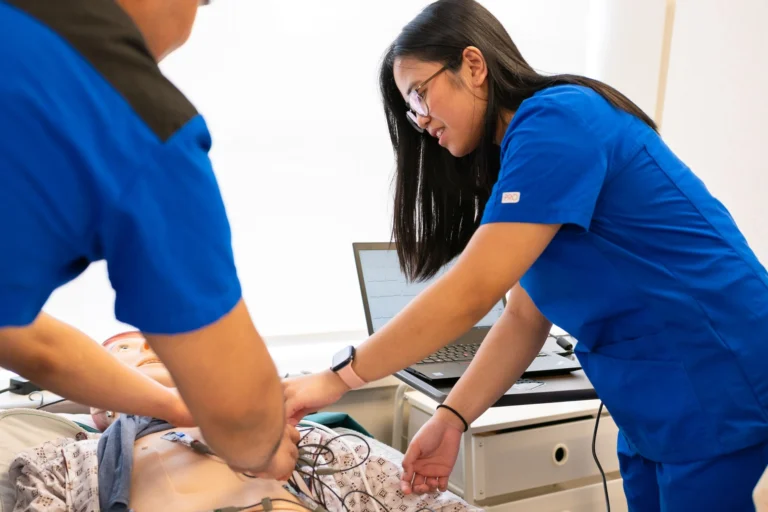
Graduate programs generally lead to either a Master of Science in Nursing (MSN) or a Doctor of Nursing Practice (DNP). The curriculum focuses on advanced health assessment, pharmacology, pathophysiology, and role-specific clinical rotations. Throughout these clinical hours, you will work under the supervision of experienced preceptors to gain hands-on experience in your chosen population focus, such as Family (FNP), Adult-Gerontology (AGNP), or Psychiatric-Mental Health (PMHNP). You will also learn to interpret laboratory results, manage chronic disease states, and coordinate care across multidisciplinary teams.

Steps to Become a Nurse Practitioner: Certification and Licensure
After completing your graduate degree, the final steps to become a nurse practitioner involve passing a national board certification exam and applying for state licensure. Certification exams are administered by organizations such as the American Nurses Credentialing Center (ANCC) or the Nurse Practitioner Certification Board (NPCB, the AANPCB certification organization), depending on your chosen specialty. These exams are comprehensive and test your ability to apply clinical knowledge to real-world patient scenarios.
Once you pass your exam and receive your certification, you must apply for an NP license or recognition through your state’s Board of Nursing. Because regulations regarding scope of practice, prescriptive authority, and collaborative agreements vary significantly by state, always verify the specific requirements for your jurisdiction through the official state board of nursing websites or the National Council of State Boards of Nursing (NCSBN) to ensure compliance with local laws.
Maintaining Your Credential and Professional Growth
The role of an NP is one of lifelong learning. Once licensed, you must maintain your national certification using your certifier’s applicable renewal pathway. CE, practice hours, examinations, and other professional activities differ by organization and credential. Each certifying body has its own renewal cycle and specific requirements for the type of CE credits accepted. Staying current with state-specific renewal deadlines and continuing education mandates is critical for maintaining your legal right to practice. Furthermore, many NPs choose to join professional organizations, which provide access to networking, policy updates, and additional resources to support their clinical practice throughout their careers.
Selecting Your Population Focus and Specialization
As you plan your education, one of the most critical decisions is choosing your specific population focus. Your choice will dictate your clinical rotation sites, national certification exam, and daily patient demographic. Understanding these tracks early helps you align your academic coursework with long-term career aspirations in specialized healthcare environments.
Common population foci include Family Health, Adult-Gerontology (split into primary care and acute care tracks), Pediatrics, Neonatal, Women’s Health, and Psychiatric-Mental Health. Each track requires specific didactic instruction and a set minimum number of supervised clinical hours. Selecting a track that resonates with your clinical strengths ensures a smoother transition during hands-on preceptorships and prepares you for targeted credentialing examinations.
Evaluating Online Versus On-Campus Program Formats
Prospective students frequently weigh the flexibility of distance education against the structured environment of traditional brick-and-mortar universities. While online programs offer immense flexibility for working registered nurses balancing employment and family responsibilities, they often require students to secure their own clinical preceptors. This self-sourcing process demands proactive networking within local healthcare systems.

Conversely, traditional campus-based programs typically provide established clinical placement networks, relieving students of the burden of finding preceptors. However, these programs usually require physical attendance, strict scheduling, and residency in the geographic vicinity of the university. When assessing requirements across different institutions, carefully review how each school handles clinical placement support, technology fees, and synchronous versus asynchronous coursework.
Financial Planning and Funding Your Advanced Degree
Investing in graduate-level nursing education involves substantial financial planning regarding tuition, fees, books, and potential lost wages during intensive clinical rotations. Fortunately, numerous financial aid pathways exist to offset these costs, including federal student loans, institutional scholarships, nursing education loan repayment programs, and employer tuition assistance benefits.
Many healthcare systems offer tuition reimbursement or tuition assistance in exchange for a specified work commitment post-graduation. Researching these opportunities early allows you to structure your employment and academic schedule concurrently, minimizing student debt while evaluating any documented employment commitment after obtaining licensure. Additionally, professional nursing associations frequently offer targeted grants for graduate students pursuing advanced practice degrees.
Transitioning from Registered Nurse to Advanced Practice Provider
The operational shift from a registered nurse to an autonomous advanced practice provider requires a fundamental change in clinical decision-making. While registered nurses execute physician-ordered care plans and monitor patient responses, advanced practice providers formulate differential diagnoses, interpret complex diagnostic data, and prescribe pharmacological and non-pharmacological interventions independently or in collaboration with physician colleagues.
Mastering this transition involves building strong interprofessional communication skills, embracing accountability for diagnostic outcomes, and engaging in continuous peer review. Mentorship during your first year of practice is invaluable. Seeking out formal or informal mentorship programs helps new graduates navigate institutional credentialing, billing practices, and complex patient management challenges with confidence.
Frequently Asked Questions
How long does it take to become a nurse practitioner?
The timeline varies based on your starting point. Generally, earning a BSN takes four years, followed by two to four years for a graduate degree (MSN or DNP). Including the required clinical experience, the entire process often takes six to ten years.
Do I need a DNP to practice as an NP?
Currently, an MSN is the minimum educational requirement for national certification and state licensure in most states. While there is a movement toward the DNP as the entry-level degree, the MSN remains a widely accepted and viable path to practice.
Can I become a nurse practitioner online?
Many accredited universities offer hybrid or online NP programs. However, these programs still require in-person clinical rotations at approved healthcare facilities to ensure you gain the necessary hands-on experience under the supervision of a preceptor.
How do I choose a population focus?
Your population focus (e.g., Family, Pediatrics, or Psychiatric-Mental Health) dictates the patient demographic you are certified to treat. Choose a focus based on your professional interests, career goals, and the healthcare needs of the communities where you intend to work.
Official Sources and Next Steps
- NCSBN APRN Education, Certification, and State Regulation
- NPCB Certification Pathways
- Find Your State Board of Nursing
- Compare Nurse Practitioner Population Focuses
- Review Nurse Practitioner Salary Data
- Plan NP Continuing Education and Renewal
- Explore Nursing Career Resources
About This Article
Written by the Nurse CE Hub Editorial Team. We base state requirements and certification details on official board of nursing and certifying-organization sources, linked within the article.
Rules and fees can change. Confirm current requirements with your state board of nursing or certifying organization before you renew or apply. This article is general information, not legal or professional advice. How we research our content