Family Nurse Practitioner Guide
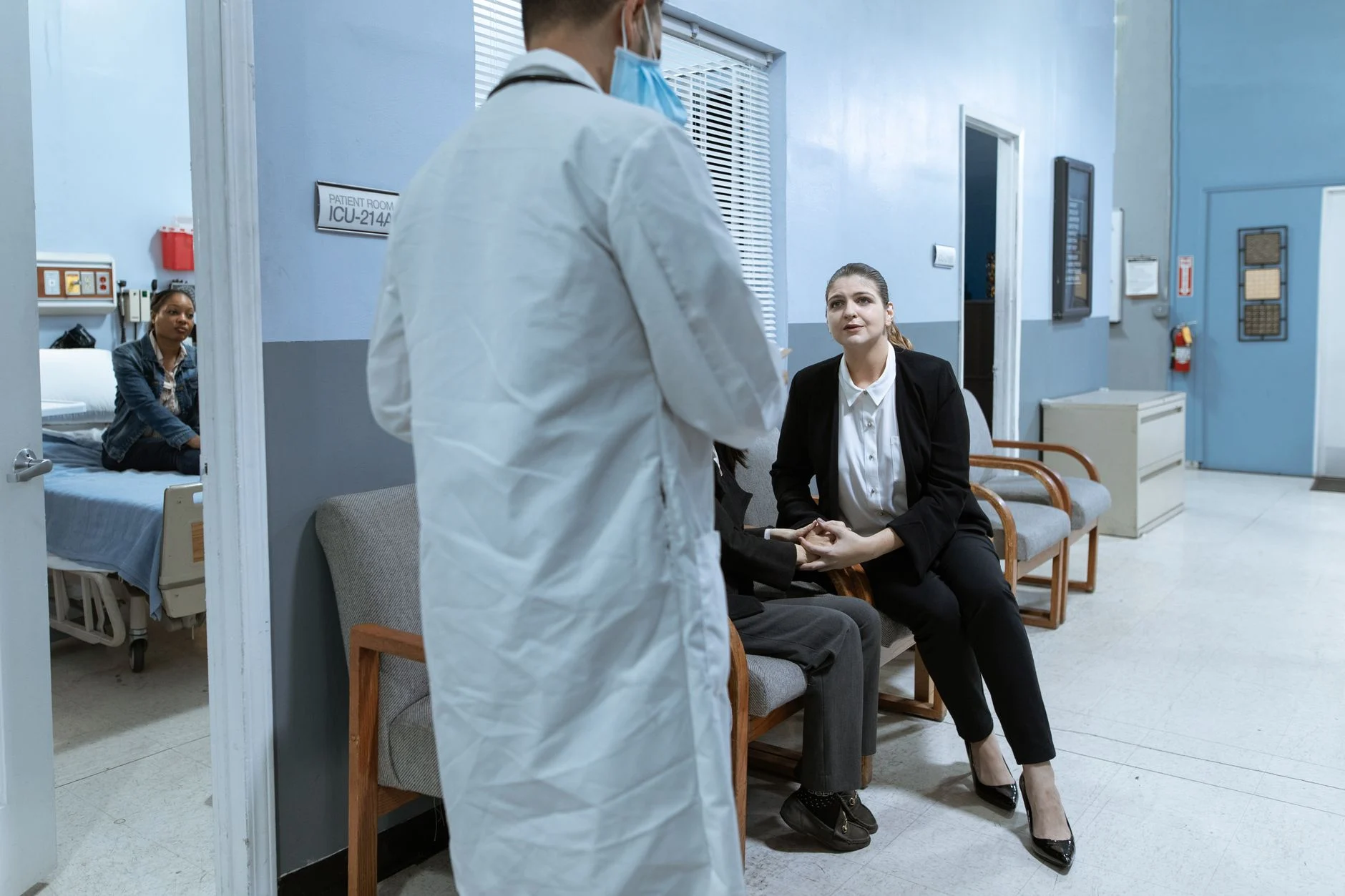
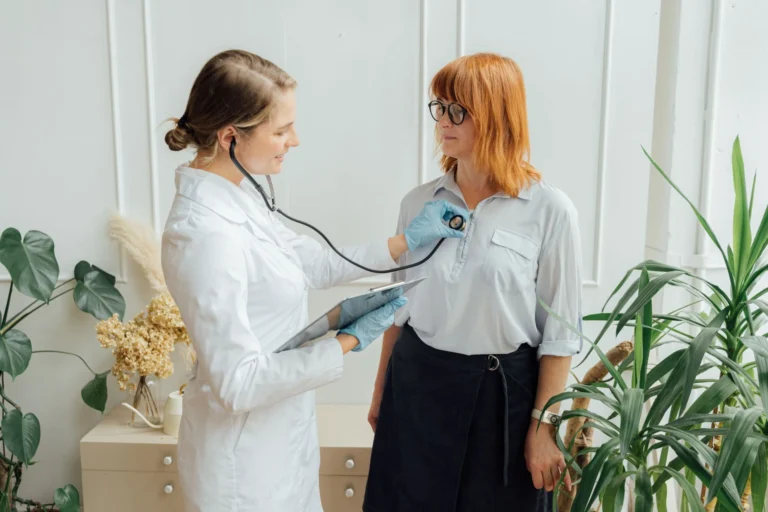
Understanding what is a family nurse practitioner is essential for registered nurses looking to expand their clinical scope, autonomy, and leadership in primary care settings. An advanced practice registered nurse (APRN) in this specialty provides comprehensive healthcare across the lifespan, managing both acute and chronic conditions for patients from newborns to older adults. Unlike specialized providers who focus on a single organ system or age bracket, these clinicians emphasize holistic wellness, disease prevention, and family-centered care.
Use the AANP NP role resources and NPCB candidate handbooks to distinguish family nurse practitioner education, national certification, and state licensure.
Exploring what is an FNP reveals a versatile career path that combines advanced physical assessment, diagnostic reasoning, and pharmacology. These professionals often serve as primary care providers in community clinics, family practices, urgent care centers, and school-based health programs. Because scope of practice and prescriptive authority vary significantly by state jurisdiction, clinicians must maintain a thorough understanding of their local board of nursing regulations.
Core Responsibilities and the Family Nurse Practitioner Role
The family nurse practitioner role extends far beyond basic bedside nursing. While foundational nursing principles remain central, these advanced clinicians exercise independent and collaborative judgment to diagnose illnesses, order and interpret diagnostic tests, and formulate comprehensive treatment plans.
Daily clinical duties typically include:
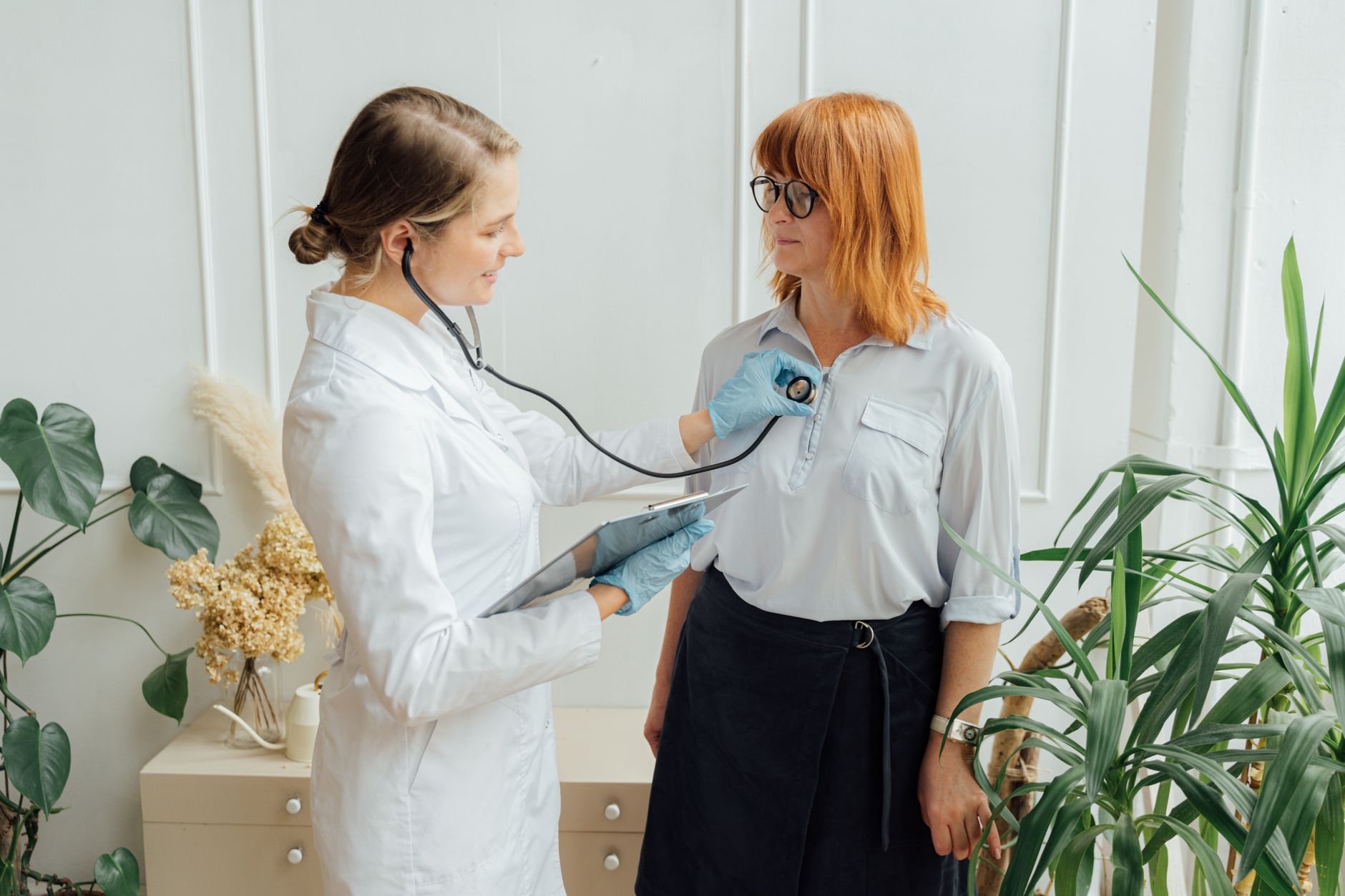
- Conducting comprehensive physical examinations and medical histories across all developmental stages.
- Diagnosing and treating acute illnesses such as respiratory infections, minor injuries, and gastrointestinal issues.
- Managing stable chronic conditions including hypertension, type 2 diabetes, asthma, and hyperlipidemia.
- Prescribing pharmacologic therapies, therapeutic regimens, and medical equipment in accordance with state laws.
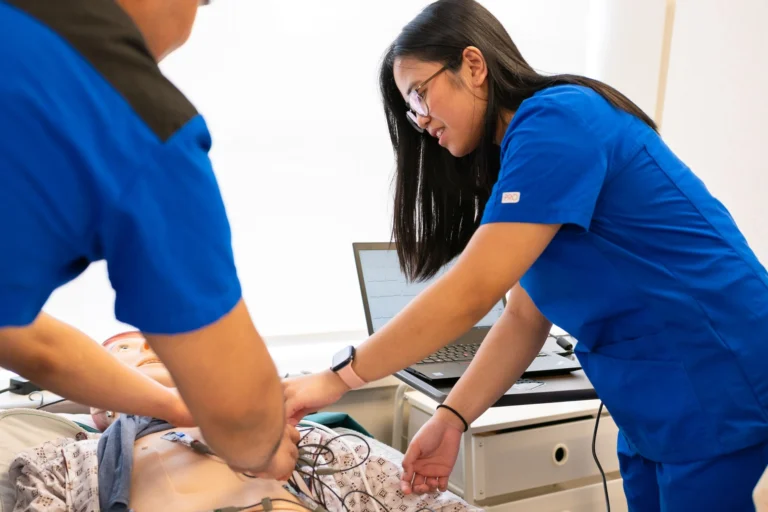
- Ordering, performing, and interpreting diagnostic studies such as laboratory panels, radiographs, and electrocardiograms.
- Providing preventive counseling, immunizations, wellness exams, and patient education on lifestyle modifications.
This wide-ranging scope requires deep clinical knowledge and the ability to coordinate multidisciplinary care plans, ensuring patients transition smoothly between primary care and specialized medical services.
Educational Pathways: How to Become an FNP
Learning how to become an FNP involves a structured academic and clinical progression designed to build advanced clinical competencies. Registered nurses generally follow a standardized pathway from initial licensure to graduate-level specialization.
The standard professional trajectory includes:
- RN Licensure: Holding an active, unencumbered registered nurse license, typically earned through an Associate Degree in Nursing (ADN) or Bachelor of Science in Nursing (BSN).
- Graduate Education: Earning a Master of Science in Nursing (MSN) or a Doctor of Nursing Practice (DNP) degree with a dedicated family nurse practitioner concentration.
- Clinical Hours: Completing a rigorous sequence of supervised direct patient care hours, often ranging from 500 to over 1,000 clinical hours across pediatric, adult, and geriatric settings.
- National Certification: Passing a board certification examination administered by recognized credentialing bodies such as the American Nurses Credentialing Center (ANCC) or the American Academy of Nurse Practitioners Certification Board (AANPCB).
- State Licensure: Applying for advanced practice licensure through the state board of nursing where practice occurs.
Work Settings and Patient Populations
Because family care spans the entire human lifespan, these clinicians work in a diverse array of healthcare environments. Many practice in outpatient family medicine clinics, acting as the primary point of contact for routine physicals, episodic visits, and ongoing wellness management.
Other common employment venues include community health centers serving underserved populations, urgent care facilities handling walk-in acute needs, rural health clinics, occupational health departments, and specialty outpatient centers. This flexibility allows advanced clinicians to tailor their practice environments to their personal career goals and community needs.

Continuing Education and License Maintenance
Maintaining an advanced practice license and national board certification requires a lifelong commitment to professional development. While initial education establishes core competency, ongoing learning ensures clinicians stay current with evolving evidence-based guidelines, pharmacology updates, and diagnostic technology.
Practicing professionals must regularly complete state-mandated continuing education contact hours, pharmacology-specific credits, and clinical practice hour requirements. Keeping meticulous records of course completion certificates ensures seamless license renewals and audit compliance across regulatory bodies.
Frequently Asked Questions
What is the primary difference between an RN and a family nurse practitioner?
While registered nurses focus on patient monitoring, bedside care execution, and care coordination, family nurse practitioners hold graduate degrees that grant them advanced diagnostic autonomy, prescriptive authority, and the ability to independently examine, diagnose, and treat acute and chronic illnesses.
Can family nurse practitioners practice independently without a physician?
Practice autonomy depends entirely on state-specific board of nursing regulations. Some states grant full practice authority, allowing FNPs to evaluate patients, diagnose, and prescribe without physician oversight, while other states require collaborative agreements or physician supervision.
What age groups do family nurse practitioners treat?
Family nurse practitioners are uniquely trained to provide comprehensive primary care across the entire human lifespan, managing patients from newborns and children through adults and geriatric populations.
How long does it take to complete an FNP program?
Most Master of Science in Nursing programs take approximately two to three years of full-time study, while Doctor of Nursing Practice programs generally require three to four years, depending on prior educational background and part-time enrollment status.
About This Article
Written by the Nurse CE Hub Editorial Team. We base state requirements and certification details on official board of nursing and certifying-organization sources, linked within the article.
Rules and fees can change. Confirm current requirements with your state board of nursing or certifying organization before you renew or apply. This article is general information, not legal or professional advice. How we research our content