Medical Device Nurse Career Guide

Transitioning from direct patient care to the medical technology sector offers registered nurses an opportunity to apply their clinical expertise in a corporate environment. A medical device nurse bridges the gap between complex surgical or bedside technology and the healthcare teams utilizing it. Whether you are evaluating corporate structures, salary expectations, or resume strategies, this guide outlines the practical realities of entering the industry.
What Does a Medical Device Nurse Do?
At its core, a medical device nurse supports the safe, effective deployment and operation of advanced instrumentation, implants, and monitoring hardware in clinical settings. Rather than providing direct bedside nursing care, your primary patients are the physicians, nurses, and technicians operating the equipment. Daily responsibilities typically include in-servicing hospital staff on new technology, troubleshooting equipment issues during active procedures, and ensuring regulatory compliance during product rollouts.
Unlike traditional hospital roles governed by shift work, corporate clinical positions often require managing an assigned regional territory. Your schedule fluctuates based on hospital operating room schedules, scheduled staff training sessions, and regional case coverage demands. Travel is a defining characteristic of the role, ranging from local hospital visits to multi-state regional coverage depending on your employer’s footprint.
Core Roles in the Medical Technology Sector
Medical technology companies utilize different nursing titles depending on whether the position focuses on education, clinical support, or commercial growth. Understanding these distinctions helps clarify day-to-day expectations and organizational placement.

| Job Title | Primary Focus | Typical Environment |
|---|---|---|
| Clinical Specialist | Providing direct procedural support and hands-on technical guidance in high-acuity suites. | Hospital OR, Cath Lab, or ICU |
| Nurse Educator | Designing formal training curricula, leading webinars, and conducting staff development programs. | Corporate offices, virtual platforms, and hospitals |
| Clinical Consultant | Advising healthcare systems on product integration, workflow optimization, and protocol alignment. | Executive boardrooms and clinical units |
For a broader look at how non-bedside specialties compare across the healthcare spectrum, you can review the Nursing Career Transition Guide to evaluate alternative pathways.
Medical Device Nurse Salary and Compensation Structures
Compensation in the medical technology sector differs significantly from traditional hourly hospital pay scales. Most corporate nursing positions utilize a total rewards structure combining a stable base salary with performance incentives, bonuses, or equity grants. Because pay is tied to corporate revenue, geographic territory size, and company scale, exact figures vary widely across employers.
When researching medical device nurse salary data, it is important to distinguish between purely educational positions and sales-quota-driven roles. Entry-to-mid level roles, such as corporate clinical educators, report baseline earnings ranging from $101,000 to $148,000 per year. Advanced specialized positions, such as senior clinical consultants working with enterprise-level surgical systems, command salary ranges between $165,000 and $260,000. When evaluating offers, examine how the incentive structure breaks down relative to travel expectations and on-call obligations.
Clinical Backgrounds Most Valued by Employers
Medical device manufacturers look for specific clinical competencies that reduce their onboarding time and establish immediate credibility with hospital department heads. Nurses coming from high-acuity environments are heavily recruited because they understand sterile technique, high-stakes environments, and complex physiological monitoring.
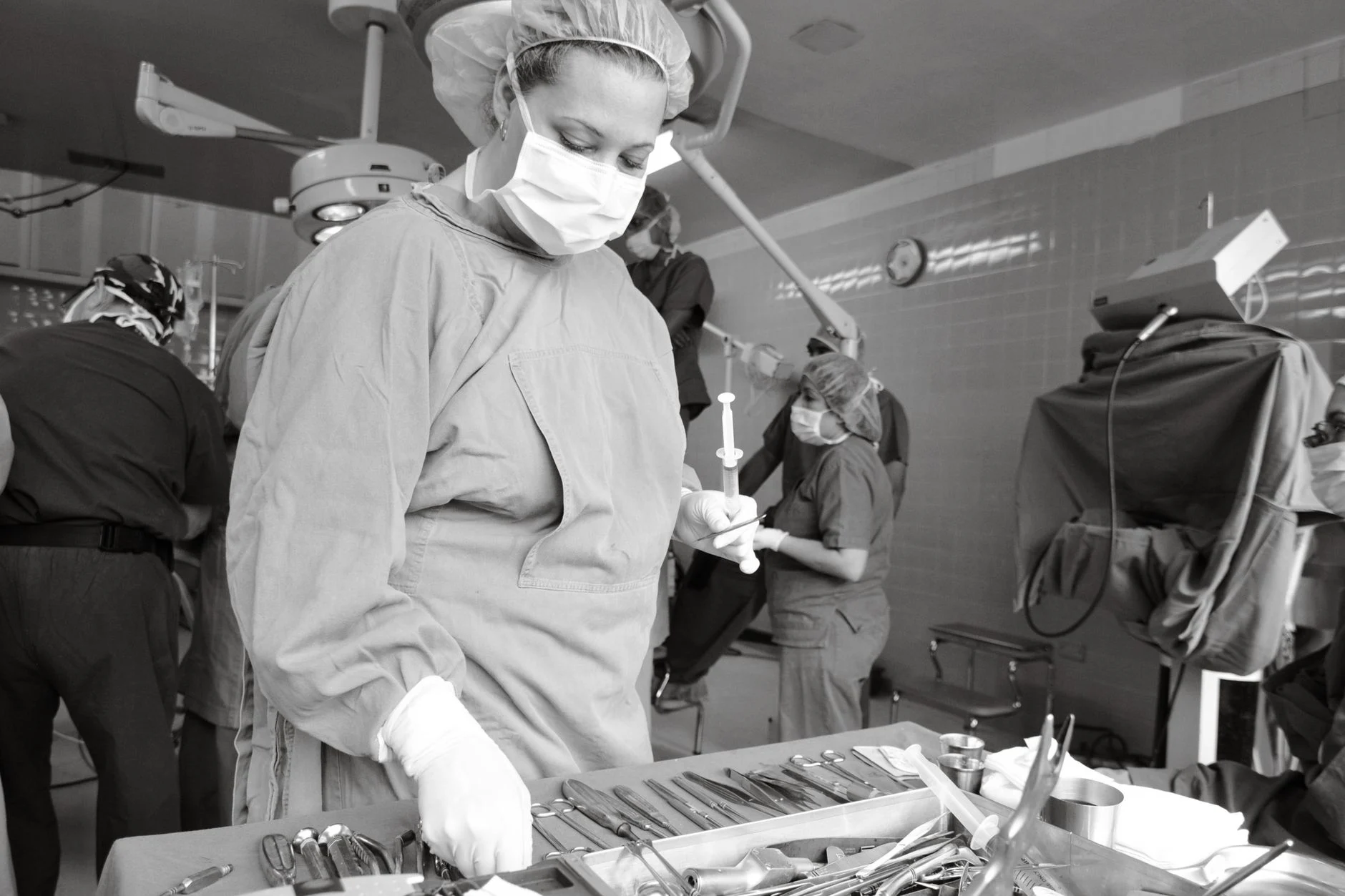
- Operating Room (OR): Highly valued for surgical instrumentation, robotic-assisted surgery systems, and sterile field protocols.
- Cath Lab and Interventional Radiology: Essential for cardiovascular devices, pacing technology, and vascular access tools.
- Intensive Care Unit (ICU): Sought after for hemodynamic monitoring, advanced respiratory support, and critical care infusion pumps.
If you are exploring specialized clinical tracks that often serve as a bridge to advanced corporate or specialized roles, the Neonatal Nurse Career and Certification Guide details high-acuity pathways within specific patient populations.
How to Transition from Bedside Nursing to Industry
Securing medical device nurse jobs requires translating clinical achievements into corporate value on your resume. Applicant tracking systems (ATS) often filter out resumes that rely solely on nursing jargon like patient ratios and bedside care metrics. Instead, reframe your clinical experience around project management, equipment troubleshooting, staff training, and protocol implementation.
- Audit your clinical history for moments when you trained junior staff on new monitors or served as a device champion during hospital rollouts.
- Rewrite your resume to highlight metrics such as the number of staff educated, equipment error reductions, or compliance improvements.
- Optimize your LinkedIn profile to feature keywords related to medical technology, clinical education, and healthcare compliance.
- Network with current industry specialists through professional nursing organizations and healthcare technology associations.
For nurses examining broader career shifts or documentation-heavy corporate environments, the Utilization Review Nurse Resume Guide offers additional resume optimization strategies tailored to non-bedside roles.

Evaluating the Medical Device Clinical Specialist Nurse Track
Operating as a medical device clinical specialist nurse demands a unique blend of clinical agility and commercial awareness. On any given day, you might scrub into an operating room to support a complex orthopedic or cardiovascular procedure, consult with biomedical engineering departments regarding equipment maintenance, and deliver an educational in-service to night-shift nursing staff.
Corporate travel requirements vary significantly depending on your assigned territory. Local territories may allow you to commute daily to regional hospitals, while national or multi-state roles involve regular flights, hotel stays, and irregular hours that require careful boundary-setting to maintain personal well-being.
Practical Next Steps for Your Corporate Nursing Career
Moving into the medical technology sector requires patience, targeted networking, and careful evaluation of corporate expectations. Start by assessing your clinical specialty against the device lines currently expanding in your region. Update your professional resume to emphasize educational leadership, technical troubleshooting, and cross-functional collaboration. Research specific medical device employers to understand their regional footprints, travel demands, and compensation frameworks before submitting your applications.
Frequently Asked Questions
Do I need sales experience to become a medical device nurse?
No. While commercial awareness is beneficial in hybrid roles, most clinical specialist and educator positions focus strictly on education, technical support, and clinical safety rather than direct sales quotas.
What is the difference between a clinical specialist and a clinical educator?
Clinical specialists typically provide direct, hands-on procedural support inside hospital operating rooms or catheterization labs. Clinical educators focus more broadly on designing training programs, conducting staff in-services, and leading educational webinars.
How do travel demands impact work-life balance in device roles?
Travel expectations vary by territory size and company model. Some roles require regional driving with occasional overnight stays, while others involve heavy multi-state air travel. Reviewing territory boundaries during interviews helps clarify weekly travel commitments.
Can advanced practice nurses enter the medical device industry?
Yes. Nurse practitioners and clinical nurse specialists are frequently recruited by medical device manufacturers for high-level consulting, clinical research support, and advanced product advisory roles.
What medical device nurse salary can I expect when starting out?
Starting compensation varies by geographic location, company size, and previous clinical specialty. Entry-to-mid level corporate clinical educator roles often start between $101,000 and $148,000 annually, with additional bonuses or incentives.
About This Article
Written by the Nurse CE Hub Editorial Team. We base state requirements and certification details on official board of nursing and certifying-organization sources, linked within the article.
Rules and fees can change. Confirm current requirements with your state board of nursing or certifying organization before you renew or apply. This article is general information, not legal or professional advice. How we research our content