
Neonatal Nurse Career and Certification Guide

Neonatal nurses specialize in caring for newborns, particularly premature or critically ill infants born with congenital anomalies, infections, or birth trauma. Entering this high-acuity specialty requires foundational nursing education, clinical experience in specialized environments, and often professional certification to validate advanced competency. Whether you are an undergraduate nursing student planning your first position or an experienced registered nurse transitioning into neonatal care, this comprehensive neonatal nurse career and certification guide covers educational pathways, clinical hour thresholds, and continuing education standards to help structure a sustainable career.
What Do Neonatal Nurses Do?
Neonatal nurses evaluate, monitor, and treat fragile newborns across various hospital units, working closely with neonatologists, respiratory therapists, and neonatal nurse practitioners. Their daily neonatal nurse duties depend heavily on the acuity level of the Neonatal Intensive Care Unit (NICU). Hospital units are generally categorized into distinct levels of specialized care:
- Level II (Special Care Nursery): Cares for infants born at 32 weeks or older who have moderate illness, are recovering from serious illness, or were born premature. These infants require feeding support, monitoring, and intravenous therapy.
- Level III (Subspecialty NICU): Provides comprehensive care for infants born at less than 32 weeks gestation or those with critical illness regardless of gestational age. Offers prompt and organized mechanical ventilation, advanced respiratory support, and minor surgical procedures.
- Level IV (Regional NICU): The highest level of neonatal care, located within an institutional setting capable of handling extremely complex medical and surgical conditions. Offers continuous life support, advanced imaging, and immediate access to a full range of pediatric medical and surgical subspecialists.
Daily responsibilities include managing mechanical ventilators, administering total parenteral nutrition (TPN), monitoring complex hemodynamic lines, and providing developmental care for fragile infants. Beyond technical bedside tasks, neonatal nurses educate and support families navigating high-stress medical crises, preparing parents for discharge and home care management.
How to Become a Neonatal Nurse
Establishing yourself in this field begins with foundational nursing licensure and targeted clinical immersion. The process of how to become a neonatal nurse requires completing structured educational milestones and passing board examinations.
- Earn an Approved Nursing Degree: Graduate from an accredited Associate Degree in Nursing (ADN) or Bachelor of Science in Nursing (BSN) program. While many Magnet-designated hospitals and Level III or IV NICUs express a strong preference for BSN graduates, both credentials permit you to sit for the national licensing exam.
- Pass the NCLEX-RN: Successfully complete the National Council Licensure Examination for Registered Nurses. Passing this exam grants your initial RN license through your state board of nursing.
- Gain General Nursing Experience or Direct Entry: Some hospitals hire new graduates directly into dedicated NICU residency or internship programs. Others require one to two years of medical-surgical or pediatric acute care experience before transitioning into critical care neonatal environments.
- Secure Hospital-Based Training: Complete orientation, didactic training, and preceptor-led clinical shifts in a neonatal unit to build competency in neonatal resuscitation and specialized equipment management.
For nurses exploring broader career transitions within acute settings, understanding parallel pathways such as those outlined in the registered nurse career guide helps clarify how foundational ICU or med-surg experience translates into specialized neonatal practice.
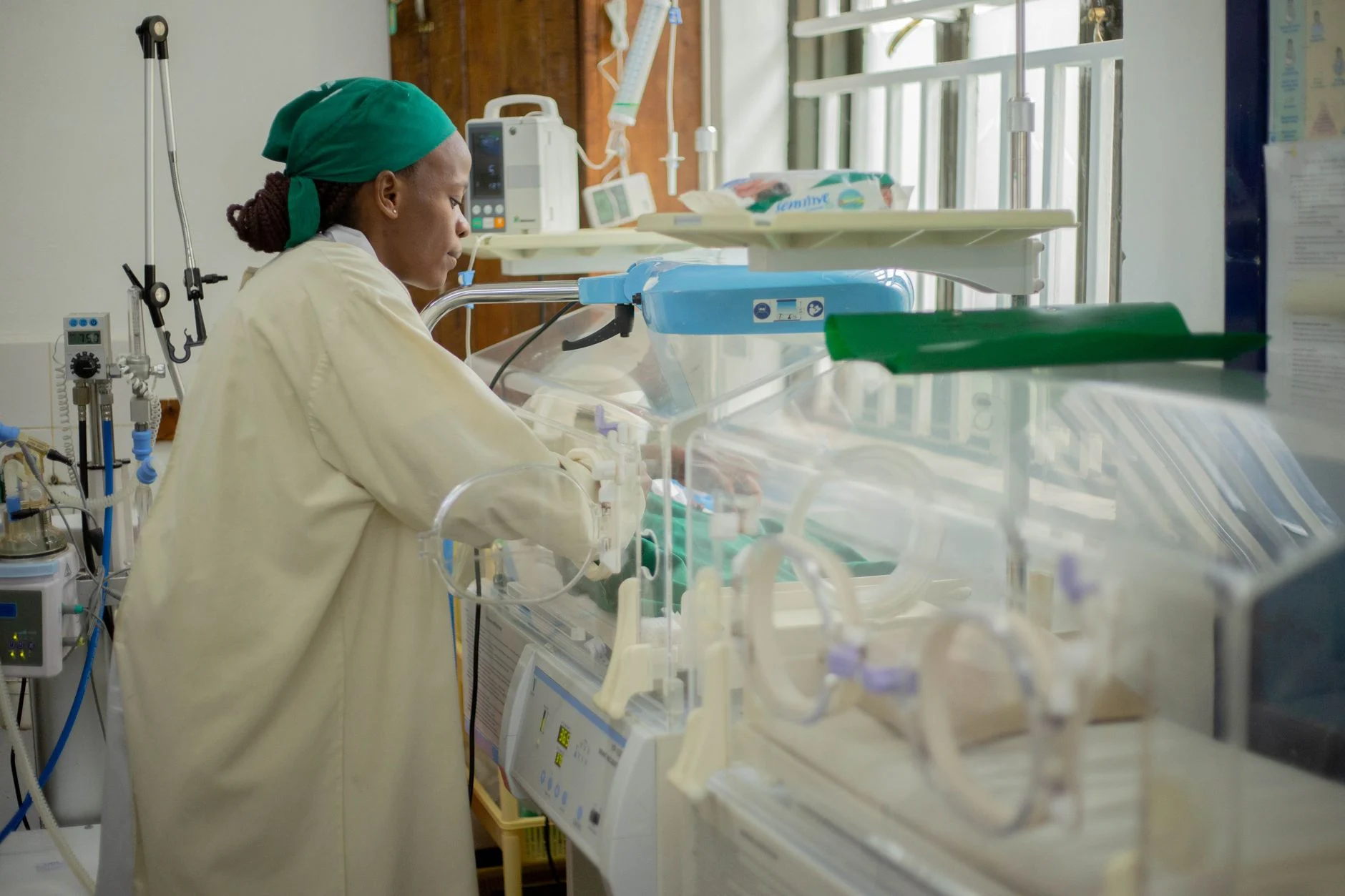
Neonatal Nursing Career Path
The neonatal nursing career path offers structured progression from bedside clinical practice to leadership, education, and advanced practice roles. Understanding these milestones helps you map long-term professional goals:
- Staff RN: Provides direct bedside care, manages complex infant stabilization, and participates in family-centered care initiatives.
- Charge Nurse / Resource Nurse: Coordinates daily unit operations, manages nurse-to-patient staffing assignments, mentors newer staff, and responds to emergency deliveries.
- NICU Clinical Nurse Specialist or Educator: Focuses on staff training, develops evidence-based clinical practice guidelines, and oversees quality improvement projects within the unit.
- Neonatal Nurse Practitioner (NNP): An advanced practice registered nurse (APRN) who diagnoses and treats infants, performs procedures such as intubation and umbilical line placement, and manages overall medical plans of care. This track requires returning to graduate school for a Master of Science in Nursing (MSN) or Doctor of Nursing Practice (DNP) degree with a neonatal focus.
Advanced practice clinicians and specialized educators often coordinate closely with broader healthcare teams, drawing on parallels seen in roles like the pharmaceutical nurse educator career guide when communicating complex clinical therapies to multidisciplinary groups.
Neonatal Nurse Certifications
Earning a specialty credential demonstrates advanced clinical knowledge and dedication to neonatal care. Two primary national certifying bodies offer credentials for neonatal nurses: the National Certification Corporation (NCC) and the American Association of Critical-Care Nurses (AACN).
Choosing between certification pathways depends heavily on your specific clinical background, daily patient population, and professional development objectives. The RNC-NIC credential from NCC is tailored for nurses working across low-risk to intensive care neonatal environments, emphasizing broad NICU management. In contrast, the CCRN Neonatal credential from AACN focuses specifically on the direct care of acutely and critically ill neonates regardless of gestational age, making it an ideal choice for nurses embedded in Level III and IV units managing multi-organ failure or advanced mechanical life support.

| Certification | Certifying Body | Clinical Hour Prerequisite | Exam Cost (Nonmember) | Renewal Cycle |
|---|---|---|---|---|
| RNC-NIC (Low-Risk Neonatal / Neonatal Intensive Care) | NCC | Minimum specialty clinical practice hours within the past 24 months as specified by current NCC guidelines | $325 | 3 years |
| CCRN Neonatal | AACN | 1,750 hours caring for critically ill neonatal patients over 2 years, or 2,000 hours over 5 years | $370 | 3 years |
When evaluating critical care credentials, many acute care nurses also review adjacent specialty pathways, such as those detailed in the CCRN certification guide, to determine which exam aligns best with their specific patient population and hospital acuity requirements.
License Renewal and Continuing Education
Maintaining active licensure and specialty certification requires careful tracking of continuing education contact hours. It is essential to distinguish between general state board requirements and specialty recertification rules.
State boards of nursing set specific contact hour mandates for RN license renewal, which vary entirely by jurisdiction. For multistate licensees under the Nurse Licensure Compact, renewal rules generally follow the laws of your primary state of residence. Meanwhile, specialty certifications like the RNC-NIC or CCRN Neonatal require specific continuing education modules, continuing education recognition points (CERPs), or professional development hours every three years to maintain active status.
To fulfill these requirements efficiently, select accredited CE providers whose courses cover evidence-based neonatal resuscitation, pharmacology, hemodynamic monitoring, and family psychosocial support. Always verify that your chosen courses meet the exact approval standards of your state board or certifying organization before submission.

Managing Your Neonatal Nursing Career
Advancing in neonatal care requires ongoing attention to clinical competency, documentation, and continuing education. Keep a detailed log of your clinical hours, patient populations, and completed contact hours as you progress. By pairing hands-on NICU experience with recognized specialty credentials, you position yourself for clinical leadership and long-term professional stability.
Continuing Education and CE Resource Strategies
Fulfilling continuing education mandates requires strategic planning to align general nursing license renewals with specialty certification standards. Nurses must track contact hours separately from specialty continuing education recognition points to ensure full compliance across both state boards and national certifying bodies. Utilizing structured learning management platforms helps clinicians maintain meticulous records of pharmacology modules, neonatal resuscitation updates, and advanced hemodynamic monitoring courses.
Optimizing CE Portfolios for Neonatal Practice
When selecting professional development activities, prioritize accredited programs that directly address contemporary neonatal care challenges such as bronchopulmonary dysplasia management, neurodevelopmental follow-up care, and complex congenital heart defect stabilization. Maintaining an organized digital repository of completion certificates safeguards against audit discrepancies and streamlines the recertification filing process every three years.
Frequently Asked Questions
Can I become a neonatal nurse with an ADN?
Yes. You can enter the specialty with an Associate Degree in Nursing (ADN) after passing the NCLEX-RN and obtaining your state license. However, many Level III and IV NICUs and Magnet-designated hospitals prefer or require nurses to obtain a Bachelor of Science in Nursing (BSN) within a specified timeframe.
What is the difference between RNC-NIC and CCRN certification?
The RNC-NIC is administered by the National Certification Corporation and focuses broadly on neonatal intensive care across varying acuities. The CCRN Neonatal is administered by the American Association of Critical-Care Nurses and specifically validates the knowledge required to care for acutely and critically ill neonatal patients.
How many clinical hours are required to sit for neonatal certification?
Prerequisites vary by certifying body. The NCC RNC-NIC exam requires specified specialty clinical practice hours within the past 24 months. The AACN CCRN Neonatal exam requires 1,750 hours of direct bedside care for critically ill neonates over the past two years, or 2,000 hours over five years.
How do continuing education requirements differ between RN license renewal and neonatal certification?
State boards of nursing mandate general continuing education contact hours tied specifically to your state license renewal cycle. Specialty certifications like RNC-NIC or CCRN have separate professional development requirements, continuing education recognition points, or re-test mandates set by their respective certifying organizations every three years.
What are the clinical hour prerequisites for the RNC-NIC versus CCRN Neonatal exams?
The RNC-NIC exam requires a verified threshold of specialty clinical hours within a 24-month window as set by the National Certification Corporation. The CCRN Neonatal exam requires either 1,750 hours of direct care for critically ill neonates over two years or 2,000 hours over five years.
About This Article
Written by the Nurse CE Hub Editorial Team. We base state requirements and certification details on official board of nursing and certifying-organization sources, linked within the article.
Rules and fees can change. Confirm current requirements with your state board of nursing or certifying organization before you renew or apply. This article is general information, not legal or professional advice. How we research our content
