NIHSS Certification for Nurses
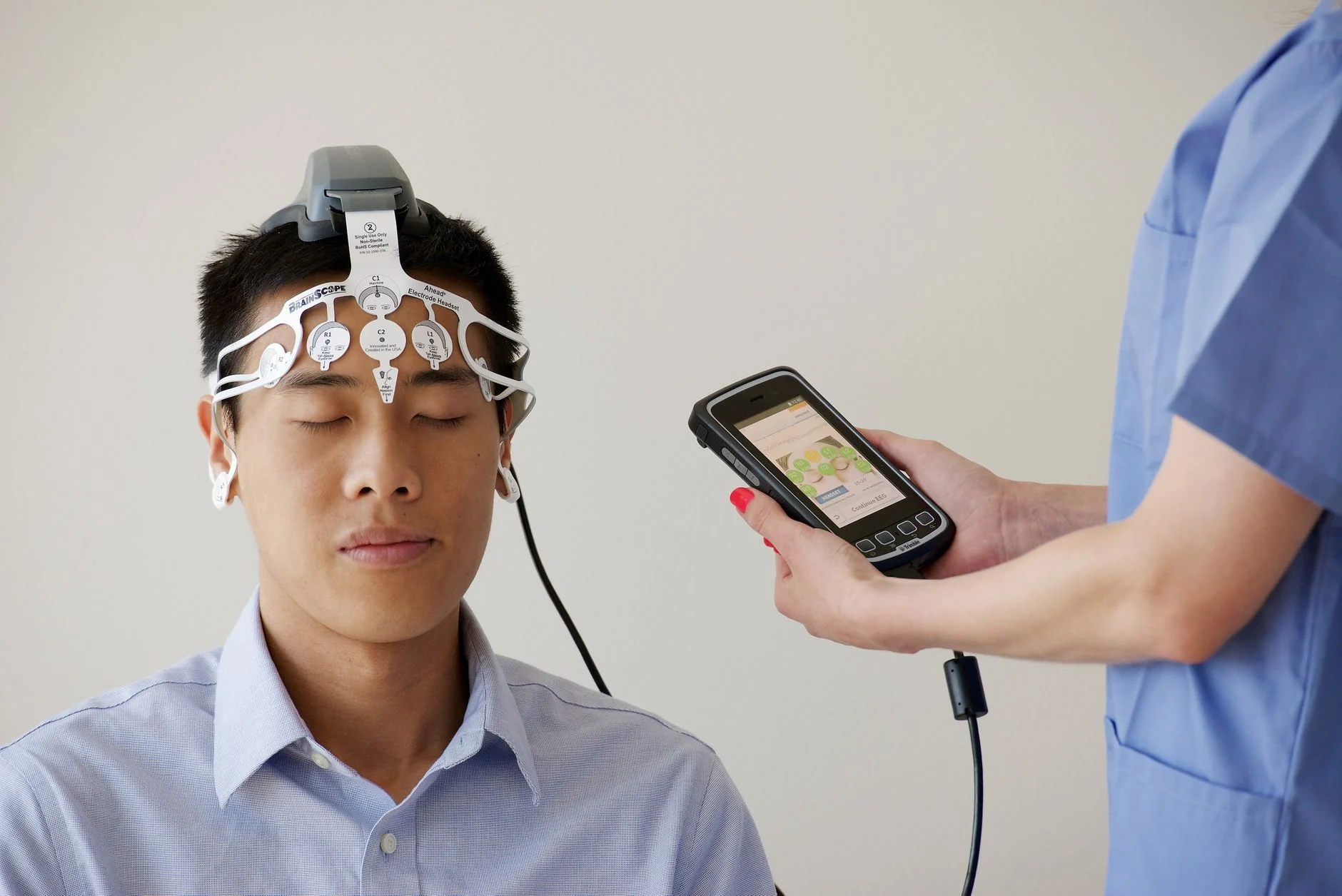
Securing nihss certification is an essential professional requirement for acute care nurses, emergency personnel, and stroke unit specialists. The National Institutes of Health Stroke Scale (NIHSS) provides a standardized, quantitative tool to evaluate neurologic deficits in patients experiencing acute stroke symptoms. Mastering this scale ensures that bedside clinicians communicate effectively with neurologists, track subtle changes in patient status, and make rapid treatment decisions.
Obtaining official nihss certification for nurses involves completing standardized educational modules and passing a practical scoring examination based on patient video vignettes. Because stroke care relies heavily on rapid, reproducible assessments, understanding the underlying scoring principles and maintaining active credentials protects patient safety and satisfies hospital regulatory mandates.
Why NIHSS Certification Matters in Acute Care
Acute stroke management operates on a strict timeline where every minute impacts functional recovery. When a patient presents with sudden neurological deficits, clinicians must rapidly determine eligibility for intravenous thrombolytic therapy or endovascular thrombectomy. Official nih stroke scale certification gives nurses the standardized framework needed to perform reliable baseline and serial neurological evaluations.
Hospitals certified as Primary Stroke Centers or Comprehensive Stroke Centers mandate that emergency department, intensive care unit, and step-down unit nurses hold valid credentials. Beyond regulatory compliance, formal training reduces inter-rater variability among multidisciplinary care teams. When every nurse, physician, and advanced practice provider scores deficits identically, treatment delays decrease and patient outcomes improve.
Overview of the NIHSS Scoring Rules and Principles
Accurate stroke scale administration requires strict adherence to standardized scoring rules set forth by the American Heart Association and American Stroke Association. The foundational principle of the NIHSS is to record what the patient actually does, not what the clinician thinks the patient can do. Evaluators must never coach, prompt, or physically assist patients during motor or sensory testing.

The first response rule governs nearly all test items: score the patient’s immediate reaction to a command or stimulus. If a patient initially fails an instruction, do not repeat the command or demonstrate the movement. Documenting the first observed response prevents artificial inflation or deflation of the patient’s neurological score. If a specific item cannot be tested due to amputation, severe trauma, or endotracheal intubation, clinicians must document the specific reason rather than guessing or defaulting to a zero.
Summary of the 10-Step NIHSS Assessment Scale
The NIHSS consists of 11 distinct categories evaluated across 15 scoring items, though many clinical summaries group them into 10 primary assessment steps. Each item evaluates a specific neurological function, ranging from consciousness level to complex language deficits.
| Scale Item | Assessed Function | Score Range |
|---|---|---|
| 1a-c | Level of Consciousness (LOC, Questions, Commands) | 0 to 9 |
| 2 | Best Gaze (Horizontal eye movement) | 0 to 2 |
| 3 | Visual Fields (Confrontation testing) | 0 to 3 |
| 4 | Facial Palsy (Symmetry during smile/grimace) | 0 to 3 |
| 5a-b | Motor Arm Drift (Left and Right arms) | 0 to 8 |
| 6a-b | Motor Leg Drift (Left and Right legs) | 0 to 8 |
| 7 | Limb Ataxia (Filer-to-nose and heel-shin tests) | 0 to 2 |
| 8 | Sensory (Pinprick response) | 0 to 2 |
| 9 | Best Language (Naming and description) | 0 to 3 |
| 10 | Dysarthria (Articulation clarity) | 0 to 2 |
| 11 | Extinction and Inattention (Neglect testing) | 0 to 2 |
Total cumulative scores range from 0 to 42, with higher numbers indicating more severe neurological impairment. For registered nurses pursuing bedside generalist roles or specialized telemetry positions, understanding these point values helps contextualize broader critical care nursing standards.
Navigating NIHSS Certification and Recertification
To earn a valid credential, nurses must complete an accredited online or in-person educational program followed by a patient video certification exam. During the examination, participants watch short video clips of patients undergoing neurological examinations and assign scores for each scale item. Passing typically requires correctly scoring multiple patient cases within an acceptable margin of error defined by the certifying educational platform.

Maintaining compliance requires strict adherence to renewal timelines. Most hospital systems and certifying bodies mandate annual or bi-annual nihss recertification to ensure clinical competency remains sharp. Registered nurses, licensed practical nurses, and advanced practice providers must check their institutional policies to verify whether annual renewal is required regardless of the issuing agency’s maximum expiration window. For nurses expanding their professional scope into specialized clinical environments, exploring infusion nurse certification or progressive care nursing credentials can complement acute stroke competencies.
Practical Documentation Tips for Stroke Assessments
Clear documentation protects both the patient and the nursing staff during acute neurological events. When charting NIHSS scores in the electronic health record, always record the exact sub-scores for each category rather than just the cumulative total number. If an item cannot be assessed due to a documented physical barrier, use the facility’s approved designation for untestable items and add a clarifying nurse’s note.
Serial assessments should be performed according to institutional stroke protocols, especially during active thrombolytic infusions or when a patient experiences acute neurological decline. Comparing current sub-scores directly against baseline admission scores allows the interprofessional team to identify vessel reocclusion, intracranial hemorrhage, or clinical improvement immediately.
Maintaining Compliance and Clinical Readiness
Achieving and maintaining valid stroke scale credentials is a cornerstone of professional acute care practice. By understanding scoring rules, adhering to the first response principle, and completing required renewal cycles on time, nurses ensure safe, evidence-based care delivery for vulnerable stroke patients.
Frequently Asked Questions
How often is NIHSS recertification required for bedside nurses?
Most hospital employers and stroke certification standards require nurses to complete NIHSS recertification annually. While some online training modules offer certificates valid for two years, individual facility policies usually mandate yearly renewal to maintain active stroke unit privileges.
Is NIH stroke scale certification free for healthcare professionals?
Many major health organizations and educational platforms offer NIHSS training courses and certification exams at no cost. However, nurses should always verify whether their specific hospital system requires a particular accredited provider or specific tracking platform for employment compliance.
Can licensed practical nurses (LPNs) get NIHSS certified?
Yes. Licensed practical nurses and licensed vocational nurses working in acute care, rehabilitation, or specialized telemetry units can complete training and obtain certification. Scope of practice regarding who performs and charts official stroke scales depends entirely on state nurse practice acts and institutional bylaws.
What happens if a patient cannot complete a specific NIHSS item due to prior disability?
When a patient has a pre-existing amputation, severe baseline contracture, or visual impairment that prevents test completion, clinicians must document the specific reason according to standardized scoring guidelines. Never guess or assign a zero for un-testable functional items.
Where can nurses take an official NIHSS certification course?
Nurses can complete official training through recognized organizations such as the American Stroke Association, the American Heart Association, or hospital-approved learning management systems that utilize standardized patient video certification exams.
About This Article
Written by the Nurse CE Hub Editorial Team. We base state requirements and certification details on official board of nursing and certifying-organization sources, linked within the article.
Rules and fees can change. Confirm current requirements with your state board of nursing or certifying organization before you renew or apply. This article is general information, not legal or professional advice. How we research our content