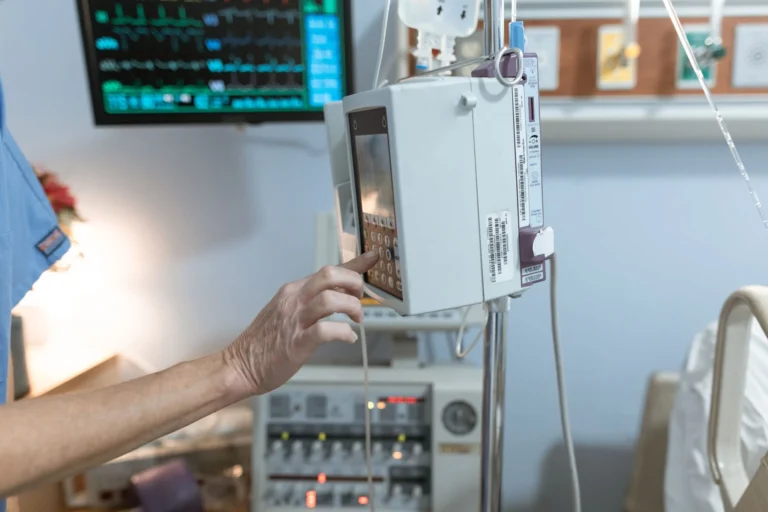
Neutropenic Precautions: A Nursing Guide

Neutropenic precautions are critical infection-prevention measures implemented to protect immunocompromised patients from severe, life-threatening pathogens. Because individuals with low white blood cell counts lack the primary cellular defenses needed to fight off common bacteria, fungi, and viruses, hospital staff must establish rigorous protective protocols. Understanding absolute neutrophil counts, adhering to strict hygiene standards, and coordinating patient education are essential responsibilities for nurses caring for vulnerable oncology and transplant populations.
Understanding ANC and Clinical Significance
The absolute neutrophil count determines a patient’s exact susceptibility to infection. Clinicians calculate this value by multiplying the total white blood cell count by the percentage of neutrophils, combining segmented neutrophils and bands. Severe neutropenia is defined by the Oncology Nursing Society as an absolute neutrophil count of less than 500 cells/μL, though many oncology protocols specifically track profound neutropenia when counts drop below 100 cells/μL. At these lower thresholds, even normal endogenous flora from the patient’s own skin or gastrointestinal tract can trigger rapid systemic sepsis.
When evaluating a patient with multiple comorbidities, you must prioritize care by balancing infection vulnerability against chronic organ dysfunction. For instance, a patient with renal or hepatic impairment requires careful coordination when administering antimicrobial therapy or monitoring lab trends, as altered drug clearance compounds the risk of rapid clinical deterioration during an infectious event.
Bedside Implementation and Neutropenic Precautions in Hospital
Applying effective neutropenic precautions in hospital environments requires standardizing protective workflows across the care team. Unlike strict airborne isolation designed to contain pathogens within a room, protective isolation for neutropenic patients focuses outward—shielding the vulnerable host from external contaminants in alignment with guidelines from the Centers for Disease Control and Prevention.
Staff must perform meticulous hand hygiene using alcohol-based hand rub or soap and water before and after every patient interaction. Healthcare providers and visitors with active viral infections, respiratory symptoms, or skin lesions must be restricted from entering the room entirely. While universal masking policies vary by institution, standard protective environments often require masks for anyone entering the room of a severely immunocompromised patient to prevent droplet transmission.
Environmental controls are equally vital. Fresh flowers, live plants, and standing water sources are prohibited because stagnant soil and water harbor fungal spores such as Aspergillus. High-efficiency particulate air filtration is frequently utilized in specialized oncology units to cleanse room air continuously. Medical equipment must be dedicated solely to the individual patient whenever possible, and multi-use thermometers or stethoscopes should be thoroughly disinfected between uses.

To support daily clinical workflows, use this structured nursing checklist when evaluating and managing patients requiring protective isolation:
- Verify Laboratory Trends: Check daily complete blood count reports and calculate the absolute neutrophil count to determine current risk severity.
- Enforce Hand Hygiene: Inspect hand-washing stations and verify that visitors and staff adhere strictly to sanitization protocols before entering.
- Inspect Environment: Confirm that prohibited items, such as fresh flowers, raw produce, or standing water basins, are removed from the room.
- Screen Visitors: Question all incoming visitors regarding recent illness, upper respiratory symptoms, or recent live viral vaccinations.
- Monitor Vital Signs: Assess temperature, heart rate, and blood pressure frequently, watching closely for subtle baseline shifts.
The Neutropenic Diet: Fact Versus Myth
Dietary restrictions have long been a staple of neutropenia nursing care, yet modern institutional practices are evolving according to current Oncology Nursing Society guidance. Traditionally, patients were placed on a restrictive diet that eliminated all fresh fruits and vegetables due to concerns over surface bacteria and molds. Current evidence indicates that institutional protocols regarding dietary restrictions vary widely by facility, with many centers moving toward safe food handling practices rather than outright bans on fresh produce.
When strict dietary modifications remain active under local policy, the focus centers on avoiding foods with a high microbial load or potential contamination risks. Thorough washing, peeling, or proper cooking neutralizes many surface pathogens, allowing patients safe nutritional variety.
| Category | Permitted Options | Restricted Options |
|---|---|---|
| Fruits and Vegetables | Well-cooked vegetables, commercially canned fruits, peeled and washed thick-skinned fruits like bananas and oranges. | Raw salads, unpeeled berries, fresh herbs, unwashed raw fruits and vegetables. |
| Meats and Proteins | Fully cooked meats, poultry, and fish prepared to safe internal temperatures; pasteurized dairy products. | Raw or undercooked meat, sushi, raw eggs, unpasteurized milk or cheese. |
| Beverages and Water | Bottled water, boiled water, commercially packaged beverages, pasteurized juices. | Well water, unpasteurized juices, open pitchers left standing at room temperature. |
Patient Communication and Emotional Support
Isolation can place a profound psychological burden on patients, leading to anxiety, depression, and feelings of loneliness. Nurses play a crucial role in validating these emotional responses while maintaining safety protocols. Explain that protective measures are temporary and designed to empower the body during its most vulnerable phase. Encourage patients to maintain social connections through phone calls, video chats, and messaging, and help families understand how virtual communication bridges the gap when physical visits are restricted or require careful screening.
Patient Education and Neutropenia Nursing Care
Clear communication bridges the gap between clinical safety and patient anxiety. When explaining the rationale behind a neutropenic diet or visitor restrictions to patients and their families, frame the guidelines around body mechanics and immune defense rather than arbitrary rules. Explain that white blood cells act as the body’s security guards, and when their numbers drop, everyday items can carry invisible risks.

Teach family members how to perform proper hand hygiene at home and explain why sick visitors must delay their visits until the patient’s counts recover. Review environmental safety measures for discharge preparation, such as avoiding crowded public spaces, wearing masks in high-risk settings, avoiding pet waste cleanup, and cooking all foods thoroughly. Addressing the emotional toll of isolation is equally important; nurses should encourage safe socialization via phone or video calls to mitigate feelings of loneliness.
Red Flags and Rapid Assessment
Rapid assessment is vital when monitoring immunocompromised patients for sudden clinical decline. You must remain vigilant for specific red flags that indicate impending sepsis or localized infection breakthrough. Key clinical indicators requiring immediate evaluation include sudden chills, altered mental status, tachypnea, unexplained tachycardia, hypotension, or new localized pain at catheter insertion sites. Recognizing these signs early allows for immediate diagnostic workup before overt shock develops.
Escalation and Fever Management
Fever is frequently the only primary indicator of infection in a neutropenic patient because a suppressed immune system cannot generate typical inflammatory responses like purulent drainage or localized swelling. A single oral temperature of 38.3°C (101°F) or a sustained temperature of 38.0°C (100.4°F) over one hour constitutes an oncologic emergency requiring immediate medical escalation.
When a neutropenic patient develops a fever, execute rapid diagnostic and therapeutic steps without delay. Draw immediate peripheral and central line blood cultures, initiate ordered broad-spectrum intravenous antibiotics promptly—typically within the mandated facility window—and notify the attending provider immediately. Do not wait for lab confirmation of an infectious organism before starting empiric antimicrobial therapy, as rapid intervention significantly reduces mortality in septic neutropenic patients.
Clinical Summary and Next Steps
Protecting immunocompromised patients requires continuous vigilance, accurate absolute neutrophil count monitoring, and consistent bedside practices. By tailoring isolation protocols, supporting flexible dietary standards, and educating families on infection prevention, you safeguard vulnerable patients during high-risk treatment phases. Review your facility’s specific policies regularly to maintain alignment with current evidence-based oncology guidelines.
Frequently Asked Questions
Is the neutropenic diet strictly required by all hospitals?
No. Neutropenic diet protocols vary significantly by facility. Many modern oncology centers are shifting away from strict food exclusions toward rigorous food safety, hand hygiene, and safe handling practices.
What is the most important intervention for a patient with neutropenia?
Rigorous hand hygiene by all healthcare staff, patients, and visitors is the single most effective intervention to prevent hospital-acquired infections in immunocompromised individuals.
How often should I check temperatures in a neutropenic patient?
Temperature monitoring frequency depends on institutional policy and patient acuity, but inpatient protocols typically require vital sign checks every four to eight hours, with immediate re-evaluation if the patient reports feeling unwell.
What absolute neutrophil count defines severe neutropenia?
Severe neutropenia is clinically defined as an absolute neutrophil count of less than 500 cells/µL, placing the patient at exceptionally high risk for rapid, severe bacterial and fungal infections.
What is the difference between standard and neutropenic precautions?
Standard precautions protect healthcare workers from bloodborne and body fluid pathogens across all patients, whereas neutropenic precautions or protective isolation shield a vulnerable host with a low absolute neutrophil count from external environmental and visitor-borne pathogens.
About This Article
Written by the Nurse CE Hub Editorial Team. We base state requirements and certification details on official board of nursing and certifying-organization sources, linked within the article.
Rules and fees can change. Confirm current requirements with your state board of nursing or certifying organization before you renew or apply. This article is general information, not legal or professional advice. How we research our content