Public Health Nursing Certificate Programs
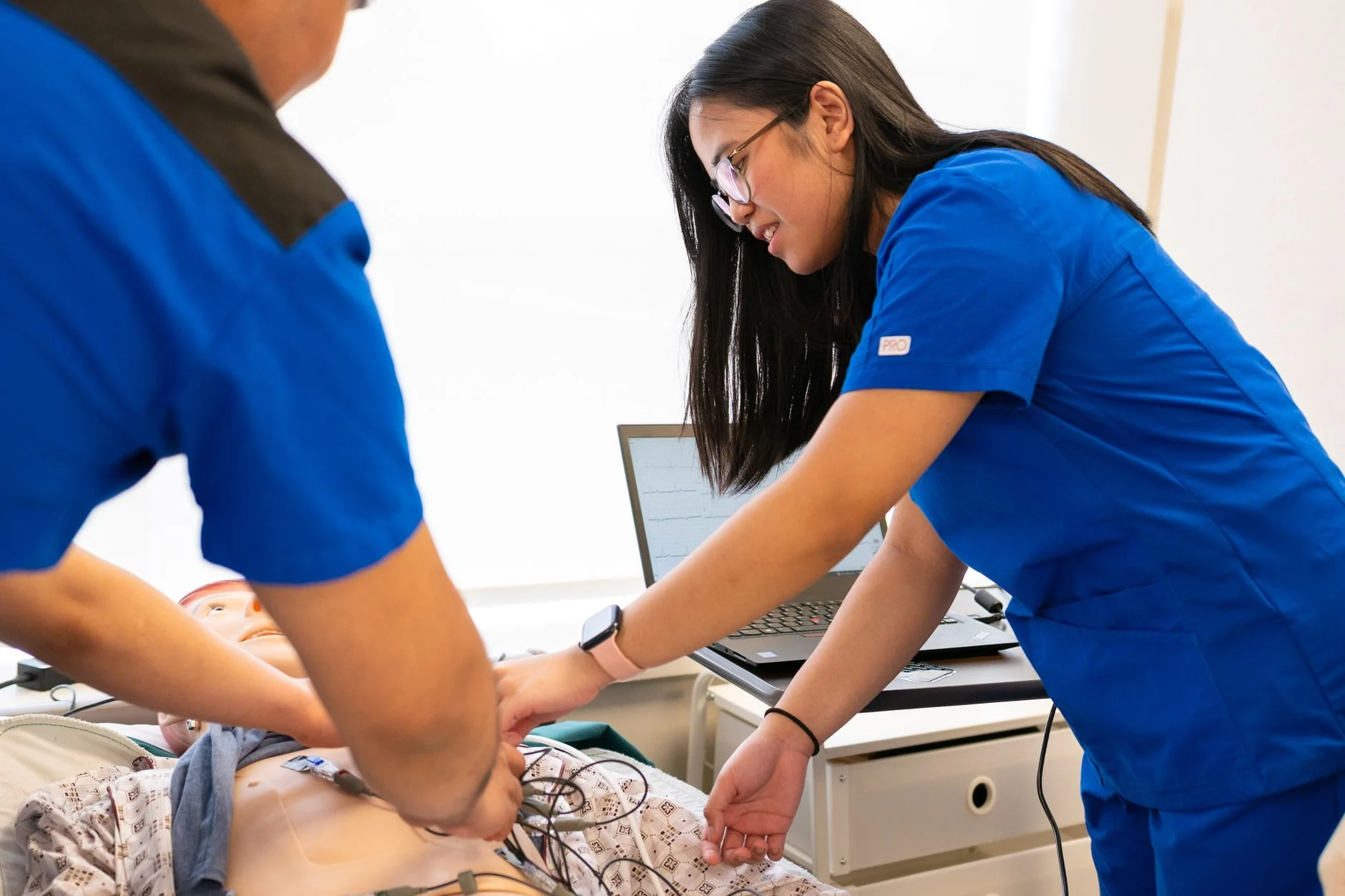
Choosing to pursue public health nursing certificate programs allows registered nurses to gain specialized knowledge in population-based health, epidemiology, and health policy without the time commitment of a full master’s degree. These academic pathways are designed for working professionals who want to pivot into community-focused roles or enhance their existing practice with a formal credential. Whether you are looking to address health disparities or manage large-scale disease prevention initiatives, these options provide a structured way to develop essential skills in public health practice.
Compare academic public health options using the Council on Education for Public Health. Confirm with the school whether a particular certificate is covered by its accreditation and whether it awards academic credit or nursing CE.
Understanding the Scope of a Public Health Nursing Graduate Certificate
A public health nursing graduate certificate typically focuses on the intersection of clinical nursing and systemic health outcomes. Unlike a degree program that requires extensive general education credits, these certificates prioritize core competencies such as biostatistics, environmental health, and program evaluation. Most programs are structured for RNs who hold a bachelor’s degree, though some institutions offer options for those with an associate degree depending on their professional experience.
Completing a community health nursing certificate can be a strategic move if you intend to work in local health departments, non-profit organizations, or government agencies. The curriculum often mirrors graduate-level coursework, allowing many students to apply these credits toward a future Master of Science in Nursing (MSN) or a Master of Public Health (MPH) degree. Before enrolling, verify if your target program is accredited by a recognized body to ensure the coursework meets industry standards.
Comparing Education Pathways for Nurses
When researching your options, you will find that a public health certificate for nurses varies significantly in length, cost, and delivery format. Some programs are entirely online, while others require clinical rotations or regional field experience. The table below outlines the general differences between common educational pathways to help you decide which path aligns with your career goals.
| Program Type | Typical Duration | Primary Focus | Degree Credit |
|---|---|---|---|
| Graduate Certificate | Varies by institution | Advanced policy and theory | Often transferable |
| Continuing Education | Days to weeks | Skill-specific updates | Non-degree |
| Master’s Degree | Varies by institution | Comprehensive leadership | N/A (Degree) |
It is important to distinguish between academic certificates and continuing education. If you are simply looking for contact hours to maintain your license, you might explore free nursing CEUs rather than an academic certificate program. Academic certificates involve rigorous grading and transcripted credits, whereas CE activities are generally shorter and focused on specific clinical updates.
Evaluating Eligibility and Admissions
Admission requirements for these programs usually include an active, unencumbered RN license and a minimum GPA from your previous nursing degree. Some schools may also require a personal statement or a resume detailing your experience in community health settings. If you are currently working in a specialized area, such as ambulatory care nursing certification, you may find that your background aligns well with the admission criteria for public health tracks.
For those interested in how these programs fit into a broader professional trajectory, reviewing nursing career resources can help you determine if a certificate is the right step for your specific goals. Always check with the university’s admissions office to confirm whether your specific license type, such as LPN/LVN versus RN, meets the prerequisite criteria for the graduate-level coursework.
Steps to Enroll in Specialized Training
To successfully transition into this field, you should follow a systematic approach to selecting and applying for a program. This ensures that the time and financial investment you make directly supports your long-term career objectives.
- Identify your primary goal: Determine if you need academic credits for a future degree or short-term training for immediate skill building.
- Verify accreditation: Ensure the program is offered by an institution with regional or nursing-specific accreditation to maximize the value of your credential.
- Check state requirements: Confirm if your state board of nursing recognizes specific certificate coursework for license renewal or advanced practice requirements.
- Review costs and scheduling: Compare tuition rates and ensure the program’s delivery format fits your current work-life balance.
Managing License Renewal and Specialized Practice
As you advance your education, it remains essential to maintain compliance with your state’s specific rules. Whether you are practicing in a clinical setting or moving into a policy-focused role, staying updated on your requirements is a professional necessity. You can find guidance on specific state rules, such as Texas nursing CE requirements or New York nursing CE requirements, to ensure your license remains in good standing while you pursue additional education.
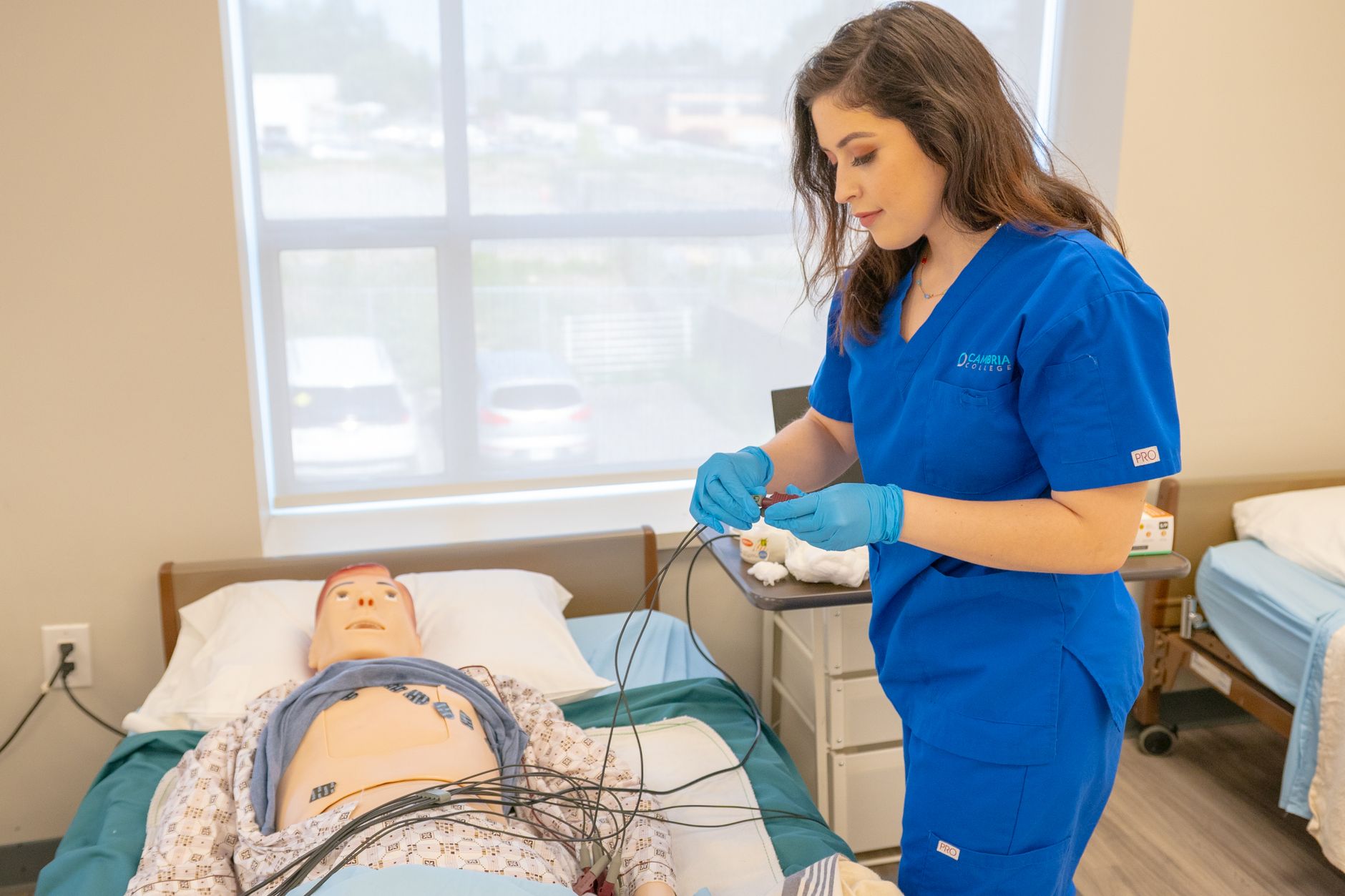
If you are unsure about the legitimacy of a continuing education provider you encounter during your search, use resources on how to verify a CE provider. This is particularly important if you are using individual courses to supplement your learning before or during a formal certificate program. Always keep documentation of all completed coursework, as you may need to provide proof of completion during a license audit.
Practical Applications of Advanced Population Health Training
Once you have completed your coursework, the transition from clinical bedside care to population-based intervention requires a shift in perspective. Many nurses find that the skills gained through public health nursing certificate programs allow them to influence health outcomes before patients even reach a hospital setting. You might find yourself working on vaccination clinics, developing outreach programs for underserved populations, or analyzing local data to address specific health disparities in your community.
If you are currently balancing a clinical role with your studies, consider how your daily environment serves as a laboratory for your new knowledge. You can apply principles of epidemiology to patient education or use program evaluation techniques to improve the efficiency of your current unit. This bridge between theory and practice is often what makes a public health nursing graduate certificate so valuable to employers in government and non-profit sectors.
Integrating Specialized Credentials into Your Professional Portfolio
Deciding how to present your new credentials to potential employers is a key step in career development. While a community health nursing certificate is not a license, it serves as a formal verification of your specialized training in environmental health, biostatistics, and policy. When updating your resume, highlight the specific competencies you acquired, especially if they align with the needs of a target organization, such as a local health department or a community-based clinic.
For those looking to expand their professional reach, it is helpful to look at how other specialized credentials fit into a long-term plan. For instance, if you are currently working in a hospital setting, you might compare the utility of a public health certificate for nurses against other options like ambulatory care nursing certification to see which aligns better with your desired trajectory. Always maintain copies of your transcripts and course descriptions, as these documents provide the necessary evidence of your advanced training during the hiring process or when applying for future graduate degrees.
Strategic Planning for Academic and Career Advancement
Before committing to a specific program, evaluate how the curriculum supports your long-term goals. Some programs are heavily focused on research and policy, while others emphasize hands-on field experience. If you intend to pursue an advanced degree later, ensure that the credits earned are recognized by accredited universities. You can often find guidance on how to manage these transitions by reviewing various nursing career resources that detail how to stack credentials effectively over time.
Finally, remember that your professional development is an ongoing process. As you integrate your new knowledge, stay informed about changing public health regulations and emerging health threats. Engaging with professional associations and attending relevant workshops can help you maintain the momentum gained during your certificate program. This proactive approach ensures that your expertise remains relevant as the needs of your community evolve.
Next Steps for Prospective Students
- Assess your current clinical background to identify which public health competencies you need to strengthen.
- Contact the admissions office of your target university to discuss credit transfer policies for future graduate degrees.
- Review your state board of nursing website to confirm if academic credits can be applied toward your mandatory contact hour requirements.
Frequently Asked Questions
Can I use a nursing certificate to fulfill my state CE requirements?
It depends on your state board of nursing. While academic certificate coursework often covers advanced topics, not all boards accept university credits as direct contact hours for license renewal. You should always verify the specific documentation requirements with your state board before assuming a course will count toward your renewal cycle.
What is the difference between a certificate and a certification?
A certificate is an educational credential earned by completing a specific course of study at an academic institution. A certification, such as a specialty board credential, is a professional designation earned by passing an exam and meeting practice requirements set by a certifying body. They serve different purposes in your professional development.
Do I need a BSN to enroll in a graduate-level public health certificate?
Most graduate-level certificate programs require a Bachelor of Science in Nursing (BSN) for admission. However, some schools offer post-associate certificates or may consider applicants with an associate degree if they have significant professional experience. Always review the specific admission criteria for each program before applying.
How long does it take to complete a public health nursing certificate?
The duration of these programs varies by institution, as some are designed for accelerated completion while others follow a standard semester schedule. The length is generally shorter than a master’s degree program because certificates focus on a specific set of core courses rather than a full degree curriculum.
Are these programs available entirely online?
Many universities offer online public health nursing certificates to accommodate working nurses. While the didactic coursework is often fully online, some programs may require periodic virtual synchronous sessions or local clinical hours. Always confirm the delivery format and any residency requirements before enrolling.
About This Article
Written by the Nurse CE Hub Editorial Team. We base state requirements and certification details on official board of nursing and certifying-organization sources, linked within the article.
Rules and fees can change. Confirm current requirements with your state board of nursing or certifying organization before you renew or apply. This article is general information, not legal or professional advice. How we research our content