Remote Nursing Jobs Guide
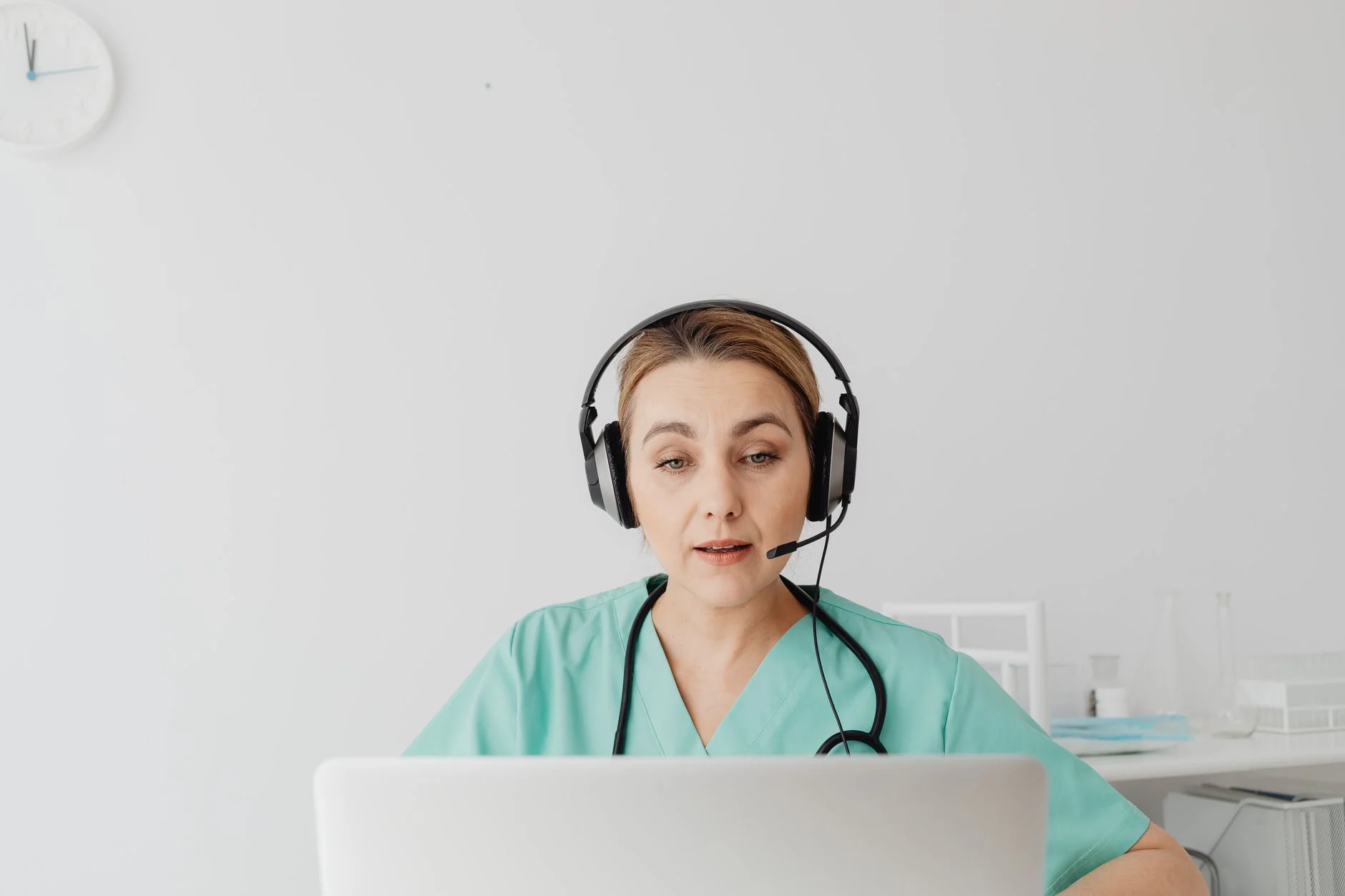
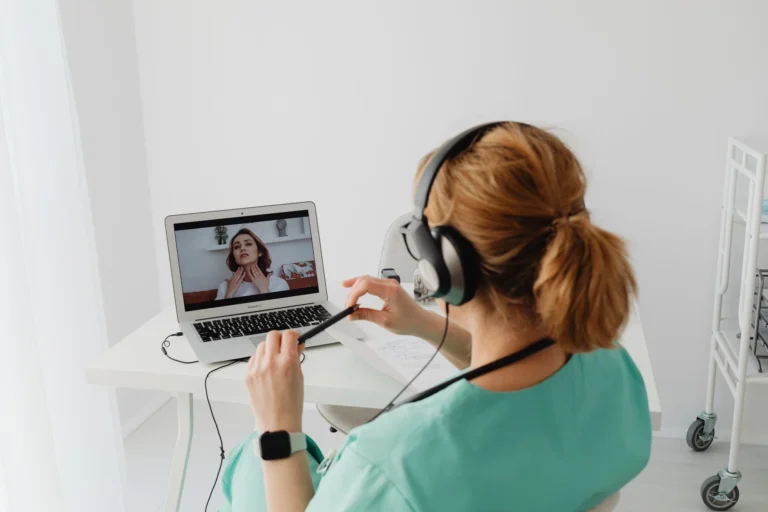
Remote nursing jobs are professional nursing roles performed outside of a traditional clinical setting, typically from a home office. These positions allow Registered Nurses (RNs), Licensed Practical Nurses (LPNs/LVNs), and Advanced Practice Nurses (APRNs) to use their clinical expertise in areas such as case management, utilization review, telehealth, and nursing informatics. While these roles remove the physical demands of bedside care, they require strict adherence to state licensing laws, HIPAA privacy standards, and specific technical requirements.
Types of Remote Nursing Jobs
The transition from the bedside to a home-based role involves moving into specialized niches that prioritize clinical judgment and data analysis over physical interventions. Most remote nurse jobs fall into one of the following categories:

Case Management
Remote case managers coordinate care for patients with chronic conditions or complex medical needs. You work for insurance companies, hospitals, or private firms to ensure patients follow their treatment plans, schedule follow-up appointments, and access necessary resources. This role requires strong communication skills and a deep understanding of the healthcare system.
Utilization Review and Management
Utilization review (UR) nurses evaluate medical treatments and procedures to determine if they are medically necessary and covered by insurance. You review clinical documentation against established criteria (such as InterQual or Milliman Care Guidelines) to approve or deny claims. This is a high-demand area for nurses seeking a structured, data-driven environment.
Telehealth and Telephone Triage
Telehealth nurses provide immediate clinical advice via phone or video call. You may work for a primary care group, a specialized telehealth platform, or a crisis hotline. In this role, you use standardized protocols to assess symptoms and direct patients to the appropriate level of care, such as an urgent care visit or home self-care.
Nursing Informatics
If you have an interest in technology, informatics roles involve managing and analyzing health data to improve patient outcomes. You might help design Electronic Health Record (EHR) workflows or train other staff on new software. While some roles are hybrid, many informatics positions are now fully remote.
Biotechnology and Pharmaceuticals
Nurses in the biotech sector often work as clinical research coordinators or drug safety associates. These biotechnology nursing jobs involve monitoring patient safety during clinical trials and reporting adverse events to regulatory bodies. These roles often require a high level of attention to detail and knowledge of federal regulations.
Licensing and Regulatory Requirements for Remote Nurses
One of the most complex aspects of remote nursing is maintaining legal authorization to practice. Nursing licenses are issued by individual states, and the law generally dictates that you must be licensed in the state where the patient is located at the time of the interaction.
The Nurse Licensure Compact (NLC) simplifies this process for nurses living in participating states. If you hold a multistate license in your primary state of residence (PSOR), you can practice physically or telepathically in any other compact state without obtaining additional licenses. However, if you live in a non-compact state, or if you are providing care to a patient in a non-compact state (such as California or New York), you must hold a specific license for that jurisdiction.
The National Council of State Boards of Nursing (NCSBN) provides updated resources on the Nurse Licenter Compact (NLC), which is essential for any nurse considering a role that crosses state lines. Always verify your license status and the specific requirements of the state where your employer operates, as some states have specific telehealth registrations for out-of-state providers.
Ethical considerations remain paramount in virtual care. Nurses must uphold the principle of nonmaleficence in nursing by ensuring that the lack of physical presence does not compromise patient safety or lead to avoidable harm during remote triage or care coordination.
Essential Technical and Home Office Requirements
Employers for remote nursing jobs expect a professional, secure environment that mimics an office setting. You are responsible for maintaining a workspace that complies with the Health Insurance Portability and Accountability Act (HIPAA).
| Category | Requirement | Reason |
|---|---|---|
| Internet | High-speed, hardwired (Ethernet) | Ensures stable video calls and secure EHR access; Wi-Fi is often discouraged for security. |
| Hardware | Dual monitors and noise-canceling headset | Improves efficiency when reviewing charts and ensures clear communication with patients. |
| Security | Private, lockable room | Prevents unauthorized individuals (including family) from seeing or hearing PHI. |
| Software | VPN and encrypted messaging | Protects data transmission between your home and the employer’s network. |
Most employers will provide the computer and necessary software, but you are typically expected to provide the high-speed internet connection and a dedicated desk and chair. Some companies offer a small stipend for office equipment, but this varies by employer.
How to Find Remote Nursing Jobs Successfully
Finding a remote role requires a different strategy than applying for hospital positions. Because these jobs are highly sought after, your application must stand out to both automated systems and recruiters.
Start by optimizing your resume for Applicant Tracking Systems (ATS). Use specific keywords found in the job description, such as “utilization management,” “care coordination,” “telehealth,” or “clinical documentation improvement (CDI).” Focus on your clinical results and any experience you have with EHR systems or data management. If you are struggling to translate your hospital experience, consulting a nursing career transition guide can help you reframe bedside tasks into administrative and analytical strengths.
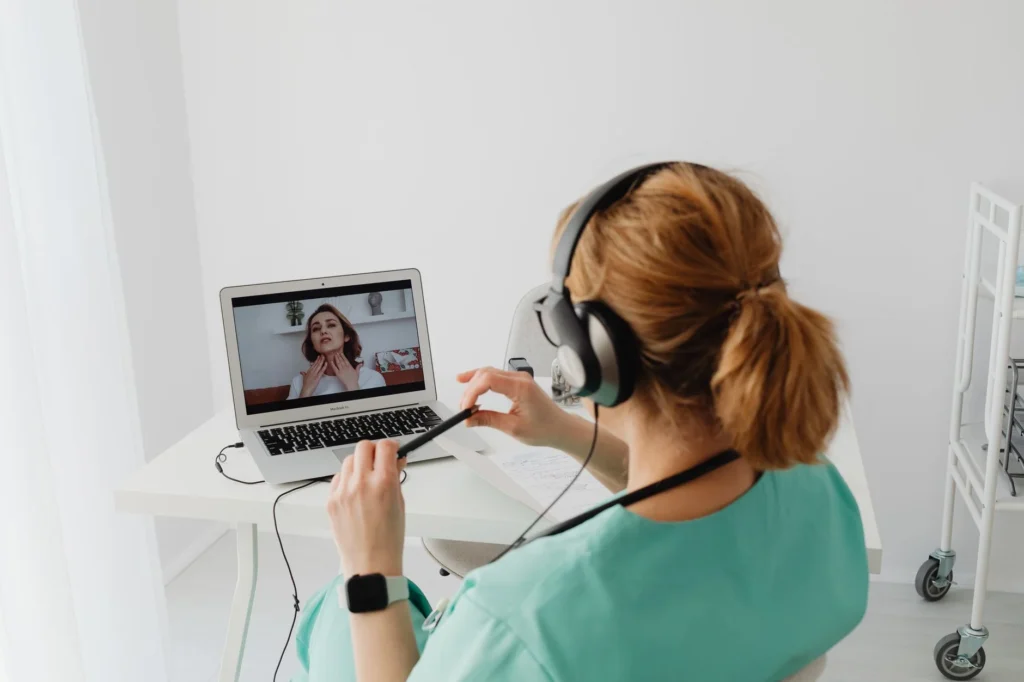
When searching for types of remote nursing jobs, use specific filters on job boards. Instead of just searching for “remote nurse,” try terms like “virtual health,” “clinical appeals nurse,” or “medical reviewer.” Be cautious of scams; legitimate employers will never ask you to pay for training or equipment upfront, and they will typically conduct interviews via professional video platforms rather than text-based apps.
Advancing Your Remote Nursing Career
Transitioning to a remote role does not exempt you from state-mandated continuing education (CE). In fact, you may need to seek out specific courses that address telecommunication ethics, digital security, or specialized clinical guidelines for insurance review. Your CE requirements are still dictated by the Board of Nursing in the state(s) where you hold a license.
Using a nursing education planning guide can help you identify which certifications will make you more competitive in the remote market. For example, becoming a Certified Case Manager (CCM) or obtaining a certification in Nursing Informatics can significantly increase your salary potential and job security in the non-clinical space.
To begin your transition, audit your current state licenses to see if they are multistate-eligible. Then, update your resume to highlight your independent decision-making and technical proficiency. By focusing on the regulatory and technical requirements first, you position yourself as a prepared and professional candidate for the growing field of remote nursing.
Frequently Asked Questions
Do I need a multi-state license for remote nursing jobs?
It depends on the employer and the location of the patients. Many remote employers prefer or require a multi-state (NLC) license because it allows you to treat patients in over 40 states without additional paperwork. If you live in a non-compact state, you may need to obtain individual licenses for every state where the employer's patients reside.
What types of remote nurse jobs allow me to work from any state?
Roles that do not involve direct patient care or clinical decision-making for a specific patient—such as healthcare recruiting, medical writing, or certain nursing informatics roles—may offer more flexibility regarding your physical location. However, most clinical roles like telehealth or case management still require you to be licensed in specific jurisdictions based on patient location.
How do I transition from bedside nursing to a remote career?
Start by identifying transferable skills such as clinical assessment, patient education, and EHR proficiency. Update your resume to use administrative keywords and consider obtaining a certification like the CCM (Certified Case Manager). Focus your search on insurance companies, telehealth startups, and large health systems that have dedicated virtual care departments.
What continuing education do I need for remote nursing roles?
You must continue to meet the CE requirements of your licensing state. Additionally, many remote nurses benefit from courses in HIPAA compliance, telehealth technology, and specific clinical guidelines like InterQual. Some specialized remote roles may require specific certifications that have their own unique recertification and CE credit requirements.
What is the typical schedule for a remote nurse?
Schedules vary significantly by role. Utilization review and case management often follow standard business hours (Monday–Friday, 8 AM to 5 PM). Telehealth and triage roles, however, frequently require 24/7 coverage, meaning you may work 12-hour shifts, nights, weekends, or holidays, similar to a hospital schedule.
About This Article
Written by the Nurse CE Hub Editorial Team. We base state requirements and certification details on official board of nursing and certifying-organization sources, linked within the article.
Rules and fees can change. Confirm current requirements with your state board of nursing or certifying organization before you renew or apply. This article is general information, not legal or professional advice. How we research our content